I sometimes use affiliate links in content. This doesn’t cost you anything but I may make a commission payment from anything you buy through these links. As an Amazon Associate I earn from qualifying purchases. All opinions remain my own.
Essential oils have been used for centuries as natural remedies for a variety of health ailments. One area where they can be particularly effective is in aiding digestion. From soothing upset stomachs to promoting the efficient breakdown of food, essential oils offer a holistic approach to digestive health.
In this article, we’ll explore how these potent botanical extracts can help improve your digestive system and enhance your overall wellbeing. Whether you’re dealing with chronic issues or occasional discomfort, read on to discover the power of essential oils for improved digestion.
Table of Contents
Understanding Digestion
Before delving into the use of essential oils, it’s important to understand the basics of digestion. Digestion is a complex process, involving multiple organs and systems, that breaks down food into nutrients so the body can absorb them. It begins in the mouth with the mechanical breakdown of food and continues in the stomach, where enzymes start to chemically break down food components. The process finishes in the small intestine where most of the nutrients are absorbed into the bloodstream.
However, the digestive process isn’t always smooth. Some common digestive problems include heartburn, indigestion, gas, bloating, constipation, and irritable bowel syndrome (IBS). These issues can cause discomfort and may disrupt your daily routine. Understanding how essential oils can aid in digestion and soothe these issues is the first step toward improved digestive health.

Role of Essential Oils in Digestion
Essential oils can lend a significant hand in supporting the digestive process. Their therapeutic properties are manifold: they can stimulate the production of digestive enzymes, improve blood circulation, and reduce inflammation in the digestive tract, thus alleviating many common digestive issues.
Peppermint oil, for instance, is renowned for its antispasmodic properties, which can relieve abdominal discomfort and soothe an upset stomach. Ginger oil, on the other hand, is a potent anti-inflammatory and can aid in the reduction of bloating and gas. Fennel oil is another helpful essential oil in digestion, as it can stimulate the production of gastric enzymes, promoting efficient digestion.
Topical application (diluted in a carrier oil) on the abdomen, or using them in a diffuser, can help deliver the benefits of these oils. However, it is essential to speak with a healthcare practitioner before starting any new regimen, and always remember: less is more. Essential oils are highly concentrated, and only a few drops are required to reap their benefits.
Top Essential Oils for Digestion
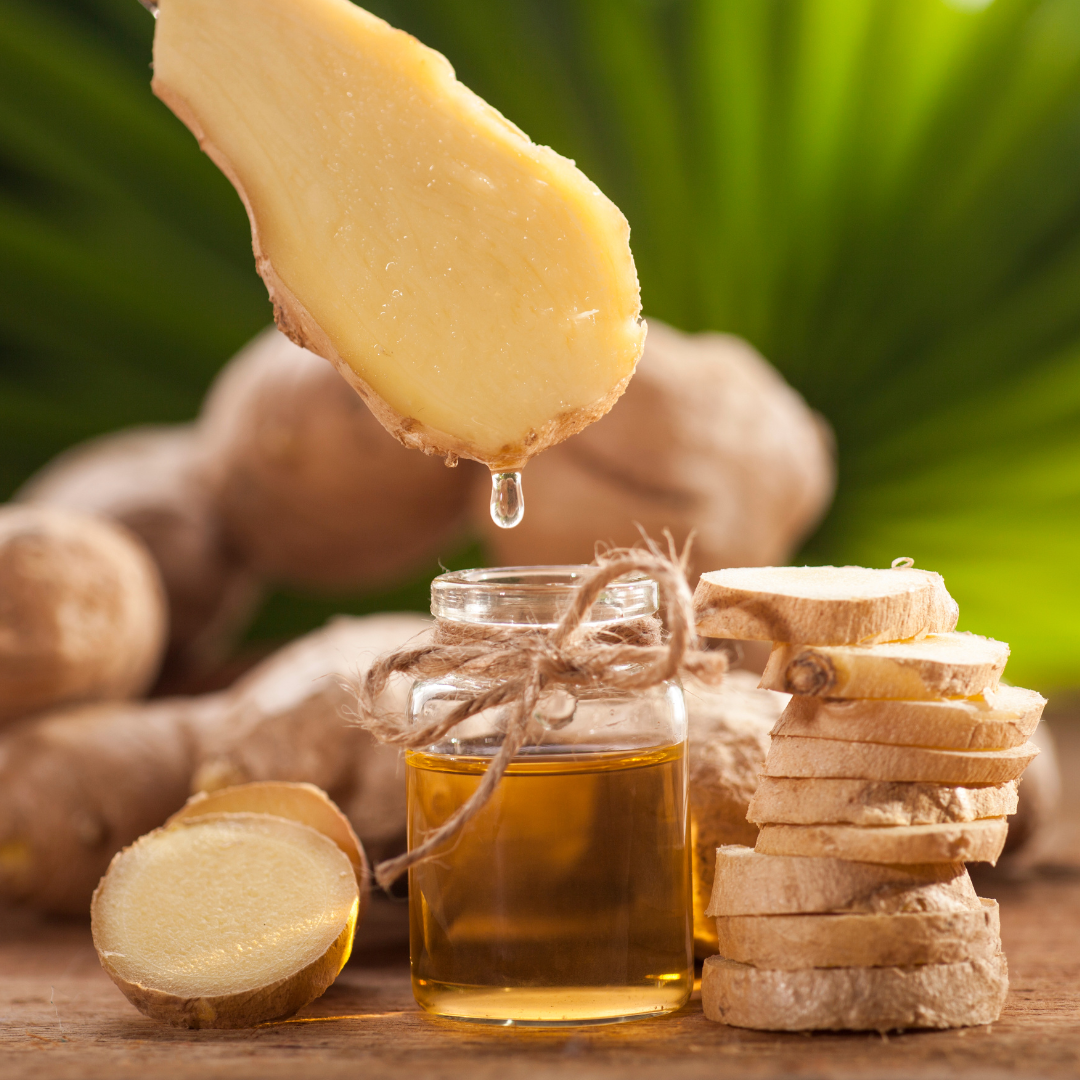
Ginger Oil
Ginger oil is a potent extract often used in treating various digestive issues. It is known for its ability to alleviate nausea and upset stomachs, and can also aid in reducing bloating and gas thanks to its anti-inflammatory properties.
Peppermint Oil
Peppermint oil is highly valued for its soothing effect on the digestive tract. Its antispasmodic properties make it an excellent choice for relieving abdominal discomfort, including symptoms associated with conditions like irritable bowel syndrome (IBS).
Lemon Oil
Lemon oil is a citrus essential oil that can help stimulate your body’s natural digestive processes. It can aid in easing constipation, reducing heartburn, and also serves as an overall digestive tonic.
Fennel Oil
Fennel oil is another essential oil beneficial for digestion. It stimulates the production of gastric enzymes, thus improving digestion efficiency. Additionally, it has a calming effect on the stomach, which can relieve bloating and gas.
How to Use Essential Oils for Improved Digestion
Ingestion
Some essential oils are suitable for ingestion, but this should only be done under the guidance of a healthcare professional or certified aromatherapist. A common way to ingest essential oils is by adding a drop or two into a glass of water or a teaspoon of honey. Always dilute the oil and never consume more than the recommended dosage.
Topical Application
For topical application, essential oils should be diluted with a carrier oil like coconut or jojoba oil before being applied to the skin. A common method is to mix 1-2 drops of essential oil with one teaspoon of carrier oil. The mixed oil can then be massaged gently onto the abdomen to help soothe digestive issues.

Diffusion or Inhalation
Using a diffuser is one of the most popular ways to enjoy the benefits of essential oils. Place a few drops of your chosen oil into a diffuser filled with water, and let the scent permeate the room. Inhalation can also be performed by adding a few drops of oil to a bowl of hot water and breathing in the steam. Ensure your eyes are closed to prevent irritation.
Precautions and Side Effects
While essential oils can be beneficial for digestion, they should be used with caution. They are highly concentrated and can cause irritation if used undiluted. Always conduct a patch test on a small area of skin before applying diluted oil to larger areas. Some oils may not be suitable for ingestion, while others may cause adverse reactions in people with certain health conditions or those who are pregnant.
If you experience any discomfort or adverse effects, stop using the oil immediately and consult a healthcare professional. Always adhere to the recommended dosage and consider seeking advice from a certified aromatherapist or a healthcare provider before incorporating essential oils into your healthcare regimen.
Safety measures while using essential oils
Potential Side Effects and Safety Measures While Using Essential Oils
Essential oils are highly potent substances that, while beneficial, can potentially trigger side effects if used improperly. Some possible reactions include skin irritation, allergic reactions, headaches, and nausea. In rare cases, overuse or misuse of oils can lead to more severe health issues such as liver damage or seizures. Therefore, it’s crucial to implement safety measures when using essential oils.
Always dilute essential oils in a carrier oil before applying topically to avoid skin irritation or burns. Conduct a patch test on a small area of skin to check for any allergic reaction before widespread use. If ingesting oils, do so only under the guidance of a healthcare professional and never exceed the recommended dosage. Pregnant or breastfeeding women, children, and individuals with specific health conditions should consult their healthcare provider before using essential oils.
Moreover, store essential oils out of reach of children and pets to prevent accidental ingestion. Always use glass containers for storing mixtures as some oils can degrade plastic over time, leading to contamination. Finally, avoid contact with the eyes and inner ears, and do not apply oils on broken or irritated skin.
Remember, essential oils are a complement to a healthy lifestyle and not a substitute for medical treatment. Always seek professional advice if you have serious health concerns.
Conclusion
In conclusion, essential oils can serve as a beneficial aid for digestion when used correctly. Ginger, peppermint, lemon, and fennel oils offer various supportive properties such as anti-inflammatory, antispasmodic, and enzyme-stimulating effects that can help alleviate digestive discomforts including gas, bloating, and nausea.
It is important, however, to remember the need for proper application methods and cautionary measures in order to make the most of these highly potent substances. With professional guidance and the right approach, incorporating essential oils into your health regimen can provide a natural and therapeutic complement to your digestive health.
If you’ve been struggling with digestive issues, why not give essential oils a try? They could be the natural solution you’ve been looking for. Just remember to take the necessary precautions and consult a healthcare professional before making any significant changes to your healthcare routine.