I sometimes use affiliate links in content. This doesn’t cost you anything but I may make a commission payment from anything you buy through these links. As an Amazon Associate I earn from qualifying purchases. All opinions remain my own.
Essential oils have surged in popularity, not just among humans but also within the realm of pet care. These natural plant extracts offer numerous benefits, from soothing anxiety to addressing skin conditions. However, pet owners must exercise caution and understand their furry friends’ specific needs and sensitivities. This guide explores the safe use and applications of essential oils for pets, ensuring your beloved companions stay healthy and happy.
Table of Contents
Understanding Safe Essential Oil Use for Pets
When used correctly, certain essential oils can provide therapeutic benefits to pets. Here are some of the top essential oils and their specific uses for pets:
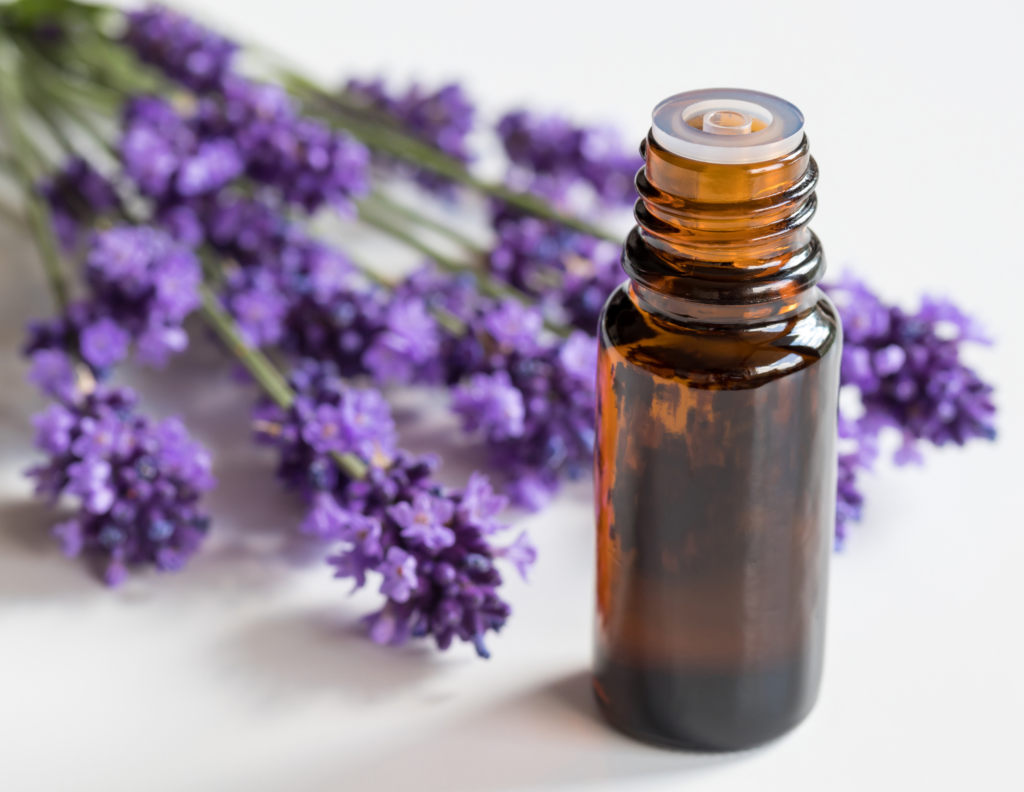
- Lavender: Known for its calming properties, lavender can help reduce anxiety and stress in pets.
- Chamomile: Gentle and soothing, chamomile can ease skin irritations and also promote relaxation.
- Frankincense: This oil supports immune health and can aid in reducing inflammation.
- Peppermint: Effective for digestive issues, peppermint can also help repel pests.
- Cedarwood: Useful for its anti-fungal and insect-repellent properties.
Dilution Guidelines for Different Animals
Essential oils are potent, and incorrect usage can be harmful. Dilution is crucial for safe application:
- Dogs: A general guideline is to dilute essential oils with a carrier oil (such as coconut or jojoba oil) to a concentration of 0.5-1%.
- Cats: Cats are more sensitive to essential oils. A very low dilution of 0.1% is recommended.
- Small Pets (Rabbits, Guinea Pigs): Use extremely diluted oils (0.05%) and always consult with a veterinarian before application.
Potential Risks and How to Avoid Them
While essential oils have many benefits, they can pose risks if not used properly:
- Toxicity: Some essential oils, like tea tree and eucalyptus, can be toxic to pets. Always research or consult a vet before use.
- Allergic Reactions: Watch for signs of allergies, such as skin irritation, excessive licking, or respiratory issues.
- Overexposure: Limit exposure to avoid overwhelming your pet’s senses. Use oils in well-ventilated areas and take breaks between applications.
Real-Life Applications of Essential Oils for Common Pet Conditions
- Anxiety and Stress: Diffusing lavender or chamomile can create a calming environment for anxious pets. Alternatively, a diluted spray can be used on their bedding.
- Skin Conditions: Essential oils like chamomile or frankincense can be diluted and applied topically to soothe skin irritations or hot spots.
- Odor Control: Peppermint or cedarwood oils can be used in diluted sprays to neutralize pet odors around the home.
- Digestive Issues: To relieve digestive discomfort in pets, a highly diluted blend of peppermint oil can be gently massaged onto their abdomen.
- Joint Pain and Inflammation: Oils such as frankincense and chamomile have anti-inflammatory properties that can be beneficial for pets with arthritis or joint pain. Dilute these oils properly and apply them to the affected areas for relief.
- Pest Control: Cedarwood and peppermint oils are natural insect repellents. Dilute these oils and spray them lightly on your pet’s fur, or use them in pet-safe pest repellent collars.
- Respiratory Support: Eucalyptus oil, though toxic in large amounts, can be used in well-ventilated areas to help pets with mild respiratory issues. Always ensure it’s properly diluted and consult with a veterinarian before use.
- Ear Infections: Lavender and chamomile oils can be diluted and applied around, not in, the outer ear to help alleviate symptoms of ear infections.
By following these guidelines and applications, you can safely incorporate essential oils into your pet care routine to help manage various conditions naturally. Always remember to consult with a veterinarian before introducing new treatments to ensure they are safe and suitable for your pets.
Practical Tips for Introducing Essential Oils to Your Pets
- Slow Introduction: Start by introducing the scent of the essential oil from a distance to gauge your pet’s reaction.
- Use Diffusers Wisely: Ensure the room is well-ventilated and that your pet can leave the area if they choose.
- Topical Application: Always dilute essential oils and perform a patch test to check for any adverse reactions.
- Consult a Vet: Before starting any essential oil regimen, consult with a veterinarian experienced in animal aromatherapy.
FAQs about Essential Oils and Pets
Can I use essential oils on all types of pets?
Not all essential oils are safe for all pets. Research each oil’s safety or consult a vet for guidance.
How often should I apply essential oils to my pet?
Frequency depends on the oil and the condition being treated. Generally, less is more. Consult a vet for personalized advice.
Are there any essential oils I should avoid?
Yes, oils such as tea tree, eucalyptus, and wintergreen are known to be toxic to pets and should be avoided.
What should I do if my pet has an adverse reaction?
Discontinue use immediately and contact your vet. For skin reactions, wash the area with soap and water.
Conclusion
Incorporating essential oils into your pet care routine can offer a wide array of benefits, from alleviating anxiety to addressing skin conditions and controlling odors. However, it is crucial to use these natural remedies responsibly and always consider your pets’ unique sensitivities.
By following proper dilution guidelines, recognizing potential risks, and consulting with a veterinarian, you can ensure that essential oils serve as a safe and effective addition to your pet’s overall health and well-being.