

I sometimes use affiliate links in content. This doesn’t cost you anything but I may make a commission payment from anything you buy through these links. As an Amazon Associate I earn from qualifying purchases. All opinions remain my own.
In a world where stress levels are climbing and mental clarity feels increasingly elusive, essential oils have emerged as powerful allies in the quest for balanced mood and sharper focus. The intersection of aromatherapy and functional wellness has created a thriving trend in 2025, with mood-enhancing and focus-boosting blends becoming staples in homes and workspaces across the globe. If you’ve ever felt the fog of mental fatigue or struggled with maintaining emotional equilibrium during challenging days, you’re not alone—and nature might hold more solutions than you realize.
The growing interest in natural wellness solutions has sparked a renaissance in how we approach productivity and emotional health. Rather than reaching for synthetic stimulants or mood-altering substances, more people are discovering that carefully crafted essential oil blends can offer gentle yet effective support for concentration, creativity, and emotional balance. The science backs up what aromatherapy enthusiasts have known for centuries: certain plant essences can genuinely influence our mental state and cognitive function.
This comprehensive guide explores the most effective essential oils for enhancing mood and boosting focus, complete with evidence-backed blend recipes, proper usage guidelines, and crucial safety information. Whether you’re seeking a natural morning energy boost, afternoon concentration support, or evening relaxation without sedation, the world of aromatherapy offers tailored solutions for every need.
Table of Contents
Understanding the Science Behind Aromatherapy for Mood and Focus
The connection between scent and mental state isn’t just pleasant folklore—it’s rooted in fascinating neuroscience. When you inhale essential oils, aromatic molecules travel through your nasal passages and interact with olfactory receptors, which send signals directly to your brain’s limbic system. This ancient part of the brain governs emotions, memory, and certain aspects of cognition, explaining why particular scents can instantly shift your mood or sharpen your mental clarity.
Research has demonstrated that specific essential oils contain compounds that can influence neurotransmitter activity. For instance, lavender essential oil has been shown to promote GABA activity in the brain, helping to reduce anxiety and promote relaxation without drowsiness. Meanwhile, stimulating oils like peppermint can enhance alertness by increasing oxygen supply to the brain and supporting cognitive processing speed.
The beauty of aromatherapy lies in its holistic approach to wellness. Unlike synthetic solutions that often come with unwanted side effects, essential oils work with your body’s natural systems to gently encourage optimal function. When you blend essential oils thoughtfully, you create synergistic combinations where the whole becomes greater than the sum of its parts—oils complement and enhance each other’s effects for more powerful results.
The Wellness Trend Driving Essential Oil Popularity
Consumer interest in mood and focus blends has surged dramatically, fueled by social media wellness influencers, emerging research, and a cultural shift toward natural health solutions. The modern workplace—with its constant digital distractions and high-pressure environments—has created unprecedented demand for tools that support mental performance without pharmaceutical intervention. Essential oils fit perfectly into this niche, offering portable, customizable solutions that individuals can control themselves.
The trend extends beyond simple stress relief. Today’s essential oil users seek targeted support for specific challenges: morning grogginess, mid-afternoon energy dips, creative blocks, and focus difficulties during complex tasks. This specificity has led to increasingly sophisticated blending practices, with aromatherapy enthusiasts creating personalized recipes for different times of day and various cognitive demands. The accessibility of quality essential oils and diffusers has democratized what was once specialized knowledge, bringing professional-grade aromatherapy into everyday homes and offices.
The Top Essential Oils for Mood Enhancement and Mental Clarity
Understanding which essential oils offer the most potent benefits for mood and focus helps you make informed choices when creating or purchasing blends. Each oil brings unique properties to the aromatherapy toolkit, with some excelling at energizing the mind while others promote emotional balance and stress relief.
Top Essential Oils for Mood and Focus Enhancement
| Essential Oil | Mood Effects | Focus/Clarity Effects | Sources |
|---|---|---|---|
| Lavender | Calming, stress relief | Mental clarity, sleep support | Research-backed |
| Peppermint | Energizing | Improves alertness, enhances memory | Clinical studies |
| Rosemary | Motivating | Boosts memory, enhances cognition | Multiple studies |
| Lemon | Uplifting | Mental clarity, boosts energy | Widely studied |
| Bergamot | Balancing, uplifting | Reduces anxiety | Aromatherapy research |
| Ylang Ylang | Emotional balance | Stress reduction | Traditional use + studies |
| Sweet Orange | Joyful, optimistic | Light focus support | Mood enhancement research |
| Frankincense | Grounding | Centers thoughts, deep focus | Historical + modern use |
| Basil | Clears tension | Supports clear thinking | Aromatherapy practice |
Usage Guidelines
- Diffusion: Add 5-10 drops total to your diffuser for a standard room size
- Topical Use: Always dilute to 2-5% concentration in carrier oil (12-30 drops per ounce)
- Personal Inhaler: Use 15-20 drops total on the cotton wick
- Patch Test: Always test new oils on a small skin area before full application
- Photosensitivity: Citrus oils (lemon, bergamot, orange) should not be applied to skin before sun exposure
Key Safety Resources
Lavender: The Versatile Mood Balancer
Lavender stands as perhaps the most versatile essential oil for emotional wellness. Its ability to simultaneously calm anxiety and promote mental clarity makes it invaluable in mood-balancing blends. When you’re feeling overwhelmed yet need to maintain focus, lavender provides that rare combination of relaxation without sedation. According to Healthline, lavender’s calming effects are well-documented, though proper dilution remains essential for safe use.
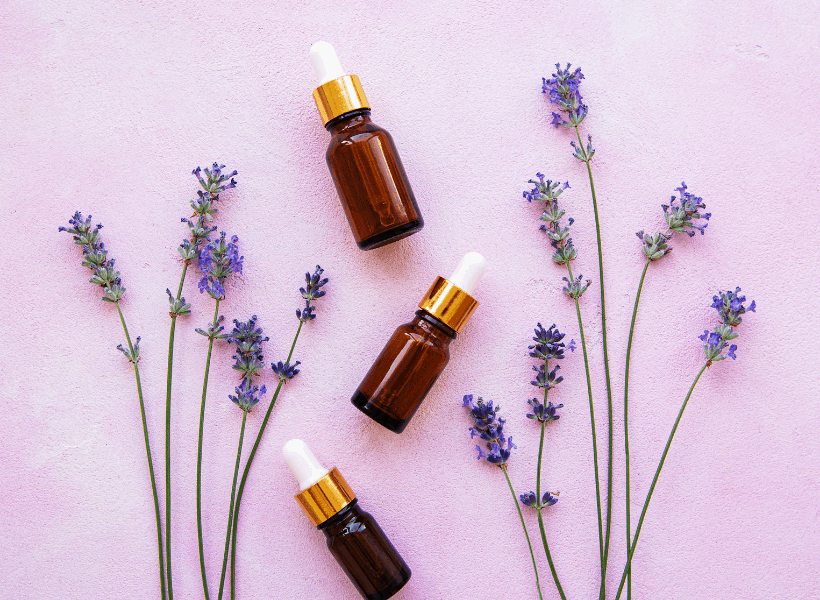
Research shows that lavender can reduce cortisol levels—the body’s primary stress hormone—while supporting alpha brain wave activity associated with relaxed alertness. This makes it particularly valuable for students, professionals, and anyone needing to perform under pressure. In focus blends, lavender serves as a grounding note that prevents stimulating oils from causing jittery overstimulation.
Peppermint: The Natural Stimulant
When mental fog threatens productivity, peppermint essential oil delivers an immediate wake-up call to your cognitive faculties. Its high menthol content creates a cooling sensation that increases alertness and has been shown to enhance memory retention and processing speed. Athletes have long used peppermint to boost physical performance, and those same energizing properties translate beautifully to mental tasks.
The oil’s ability to open airways and increase oxygen flow to the brain makes it particularly effective for morning routines or whenever you need quick mental revival. Many people report that peppermint helps combat the post-lunch energy slump that derails afternoon productivity. Unlike caffeine, which can cause crashes and dependency, peppermint provides clean energy that works with your body’s natural rhythms.
Rosemary: The Memory and Cognition Enhancer
Few essential oils match rosemary for cognitive enhancement and memory support. Historical evidence shows that ancient Greek students wore rosemary garlands during examinations, believing it strengthened memory—and modern research suggests they were onto something. Studies indicate that rosemary’s 1,8-cineole compound can cross the blood-brain barrier and influence neurotransmitter systems involved in memory formation.
For anyone engaged in learning, creative work, or complex problem-solving, rosemary belongs in your aromatherapy arsenal. Its sharp, herbaceous scent seems to cut through mental clutter, promoting the kind of clear-headed focus that complex tasks demand. The Women’s Health Clinic notes rosemary’s particular effectiveness for sustained concentration during demanding cognitive work.
Lemon: The Uplifting Clarity Booster
Lemon essential oil brings sunshine to your mood in the most literal sense. Its bright, citrusy aroma has been shown to elevate mood, reduce anxiety, and promote positive outlook—all while supporting mental clarity and focus. The oil’s d-limonene content provides antioxidant benefits that may protect brain cells from oxidative stress, suggesting both immediate and long-term cognitive support.

What makes lemon particularly valuable is its versatility across different blend types. It adds brightness to energizing morning blends, provides motivation during challenging afternoon tasks, and can even support gentle alertness in evening routines when you need focus without disrupting sleep later. The oil’s natural antibacterial properties also make it popular for diffusing in shared workspaces.
Bergamot: The Anxiety-Reducing Mood Lifter
Bergamot essential oil occupies a unique space in the aromatherapy spectrum—simultaneously uplifting and calming. This complex profile makes it exceptionally effective for anxiety-driven focus problems. When worry and stress create mental static that interferes with concentration, bergamot helps quiet the noise without inducing drowsiness.
Research indicates that bergamot can reduce feelings of stress and anxiety while improving mood and promoting positive emotions. Its application in focus blends helps prevent the anxiety-productivity spiral where worrying about performance actually hampers performance. The oil’s ability to balance mood without causing sedation makes it appropriate for daytime use when you need both emotional stability and mental sharpness.
Ylang Ylang: The Emotional Balance Specialist
The exotic, floral scent of ylang ylang might seem purely decorative, but this oil delivers serious emotional support. It excels at releasing tension and promoting emotional equilibrium, particularly during times when stress threatens to overwhelm your capacity to focus. Ylang ylang works beautifully in blends designed for creative work, where emotional openness enhances productivity rather than hindering it.
Unlike some calming oils that can dull mental edge, ylang ylang provides stress reduction that actually supports better cognitive function by removing emotional obstacles to focus. When anxiety, frustration, or emotional overwhelm cloud your thinking, this oil helps restore the inner peace that allows your mind to work optimally. Its sweet, rich aroma also makes blends more pleasant to use throughout extended work sessions.
Sweet Orange: The Joy and Optimism Promoter
Sometimes the barrier to productivity isn’t lack of focus but lack of motivation—and that’s where sweet orange shines. Its happy, energizing aroma promotes optimism and positive emotional states that naturally support better performance. The oil’s ability to lift spirits without agitation makes it perfect for morning routines or anytime you need an emotional boost that supports rather than replaces focus.
Orange oil contains compounds that may influence serotonin and dopamine activity, explaining its mood-elevating effects. Many aromatherapy practitioners consider it particularly valuable for combating seasonal affective disorder and general low mood that saps motivation and mental energy. When combined with more cognitively focused oils, orange provides the emotional foundation that allows those sharper oils to work most effectively.
Frankincense and Basil: Supporting Players
While they receive less spotlight than the stars above, both frankincense and basil offer valuable support in mood and focus blends. Frankincense brings grounding, centering qualities that help settle scattered thoughts and promote the kind of deep focus meditation practitioners cultivate. Its ability to support mindful awareness makes it particularly valuable when work requires sustained attention to detail.

Basil, meanwhile, offers mental clarity and stress relief—particularly helpful when mental fatigue accompanies physical tension. Many people find that basil helps them push through challenging tasks that require both cognitive effort and emotional resilience. Together, these oils round out comprehensive blends that address multiple aspects of mental performance.
Evidence-Backed Essential Oil Blend Recipes
Creating effective blends requires understanding not just individual oils but how they interact synergistically. The following recipes have been developed based on aromatherapy research and user experiences, providing targeted support for specific needs throughout your day.
Morning Focus and Productivity Diffuser Blend
Start your day with mental clarity and energized purpose using this stimulating blend designed to sharpen focus while promoting positive mood. This combination works particularly well during morning work sessions when you need to hit the ground running.
Recipe:
- 3 drops lemon essential oil
- 2 drops basil essential oil
- 2 drops peppermint essential oil
- 1 drop cypress essential oil
How to Use: Add oils to your diffuser with appropriate water amount per manufacturer instructions. Diffuse for 30-minute sessions with 30-minute breaks to prevent olfactory fatigue. For topical application, dilute this blend at 2-3% concentration (12-18 drops total per ounce of carrier oil) and apply to temples, back of neck, or wrists. According to ANSES, proper dilution is critical for skin safety—never apply essential oils undiluted.
This blend works by combining lemon’s uplifting clarity, basil’s stress-relieving mental sharpness, peppermint’s awakening stimulation, and cypress’s grounding properties. Together, they create an aromatic environment that supports your brain’s natural morning alertness while promoting positive emotional tone for the day ahead.
Uplifting Mood Blend for Emotional Balance
When emotional heaviness threatens your day or you need a midday mood lift, this cheerful blend provides sunshine in a bottle. It’s particularly effective for combating stress-induced low mood that undermines both focus and motivation.
Recipe:
- 3 drops sweet orange essential oil
- 2 drops grapefruit essential oil
- 2 drops ylang ylang
- 1 drop bergamot essential oil
How to Use: This blend works beautifully in personal inhalers for portable mood support throughout the day. For inhaler use, place 15-20 drops total on the cotton wick. For topical use, dilute to 2-5% concentration in carrier oil (preferably jojoba or sweet almond for facial application) and apply to pulse points. Healthline emphasizes using proper carrier oils to prevent skin irritation—never apply citrus oils before sun exposure as they cause photosensitivity.
The combination of citrus oils provides dopamine-supporting brightness while ylang ylang and bergamot address underlying stress and anxiety that often accompany low mood. This blend doesn’t force happiness but rather removes emotional obstacles that prevent your natural positive state from emerging.
Evening Sleep-Promoting Blend
Productivity doesn’t end when work stops—quality sleep directly impacts next-day cognitive performance. This calming blend helps transition from busy evening to restful sleep without the grogginess some sleep aids cause.
Recipe:
- 4 drops lavender essential oil
- 3 drops bergamot OR frankincense
- Optional additions: 2 drops cedarwood or 2 drops chamomile
How to Use: Begin diffusing 30-60 minutes before bedtime to allow the calming effects to build gradually. For topical application, dilute to 2-3% concentration in carrier oil and massage onto feet, chest, or back of neck as part of your bedtime routine. The Women’s Health Clinic recommends creating consistent bedtime aromatherapy rituals, as the brain begins associating these scents with sleep preparation, enhancing effectiveness over time.
Unlike stimulating daytime blends, this combination focuses on activating your parasympathetic nervous system—the rest-and-digest mode that promotes quality sleep. The oils work synergistically to quiet mental chatter, ease physical tension, and support your body’s natural circadian rhythms. Quality sleep tonight means better focus tomorrow, making this blend an essential part of your overall cognitive performance strategy.
Afternoon Energy and Concentration Boost
The dreaded post-lunch slump derails more productivity than perhaps any other daily phenomenon. Rather than reaching for another coffee that might disrupt evening sleep, try this energizing blend designed specifically for afternoon revival.
Recipe:
- 3 drops rosemary essential oil
- 3 drops peppermint essential oil
- 2 drops lemon essential oil
- 1 drop basil
How to Use: Diffuse during afternoon work sessions, or for immediate revival, place 1-2 drops of the pre-diluted blend on a tissue and inhale deeply for 30 seconds. For desk workers, keeping a personal inhaler with this blend provides quick access whenever mental fog descends. The combination delivers cognitive sharpness without the jittery side effects or sleep disruption that afternoon caffeine can cause.
This blend addresses multiple aspects of afternoon fatigue: peppermint provides immediate alertness, rosemary supports sustained memory and concentration, lemon offers mood-supportive clarity, and basil relieves the mental fatigue that accumulates throughout the day. Use it during that critical 2-4 PM window when most people experience their lowest energy and focus levels.
Critical Safety Guidelines and Proper Usage
Essential oils’ effectiveness comes from their concentrated nature—the same quality that requires responsible usage. The rise in aromatherapy popularity has unfortunately led to increased reports of adverse reactions, almost always from improper use. Understanding and following safety guidelines isn’t optional; it’s essential for protecting your health while enjoying essential oils’ benefits.
Essential Dilution Practices
The single most important safety rule for essential oil use is proper dilution for topical application. Undiluted essential oils (called “neat” application) can cause skin irritation, sensitization, and in severe cases, chemical burns. The safe dilution range for adults is 1-5% for most applications, meaning 6-30 drops of essential oil per ounce of carrier oil. For facial application or sensitive skin, use the lower end of this range.
Healthline provides comprehensive dilution guidelines: facial products should contain 0.5-1% essential oils, body products 1-2.5%, and specific pain relief applications up to 5%. Always perform a patch test before using any new blend—apply a small amount of diluted oil to your inner arm and wait 24 hours to check for reactions. Good carrier oils include jojoba, sweet almond, coconut fractionated oil, and grapeseed oil. Learn more about choosing carrier oils for different applications.
Photosensitivity Warnings
Several popular oils in focus and mood blends cause photosensitivity—increased sensitivity to UV light that can lead to severe sunburn, discoloration, or skin damage. Citrus oils including lemon, bergamot, grapefruit, lime, and orange all present this risk when applied topically.
ANSES (the French health authority) warns that photosensitive oils should never be applied to skin that will be exposed to sunlight or UV light within 12-24 hours. If you use blends containing these oils topically, apply them only to areas covered by clothing, use them in the evening when sun exposure has ended, or stick to diffusion methods that bypass skin application entirely. This precaution is particularly important during summer months or before outdoor activities.
Ingestion Dangers and Aromatherapy Myths
Despite marketing claims from some essential oil companies, ingesting essential oils presents serious health risks and is generally not recommended by qualified aromatherapists or medical professionals. ANSES specifically warns that essential oils can be highly toxic when swallowed, with oils like tea tree, eucalyptus, sage, and nutmeg particularly dangerous if ingested.
The digestive system processes essential oils differently than the respiratory system or skin, potentially leading to organ damage, particularly to the liver and kidneys. Even oils generally considered safe for topical or aromatic use can cause serious harm when ingested. If you’re interested in using essential oils internally, consult with a qualified healthcare provider—preferably one trained in clinical aromatherapy—rather than following internet advice or marketing materials.
Special Populations and Precautions
Certain groups require extra caution with essential oil use. Pregnant and nursing women should consult healthcare providers before using essential oils, as some compounds can cross the placental barrier or appear in breast milk. Children have more sensitive skin and developing systems, requiring more dilute blends than adults—typically 0.25-1% for young children.
The Women’s Health Clinic emphasizes that people with medical conditions, especially respiratory issues like asthma, should consult their doctors before starting aromatherapy. Essential oils can trigger asthma attacks or interact with medications. Anyone with epilepsy should avoid stimulating oils like rosemary and eucalyptus, which may trigger seizures in sensitive individuals. Keep all essential oils away from children and pets—many oils safe for humans are toxic to cats, dogs, and other animals.
Allergy Testing and Patch Tests
Even with proper dilution, individual sensitivities can cause reactions. Before using any new essential oil or blend, conduct a patch test: dilute the oil properly in carrier oil, apply a small amount to your inner forearm, cover with a bandage, and wait 24-48 hours. If you experience redness, itching, burning, or swelling, wash the area immediately and discontinue use.
Be particularly cautious if you have known allergies to plants in the same botanical family as your essential oils. For example, people allergic to ragweed might react to chamomile essential oil. Common allergens include cinnamon, clove, lemongrass, and some tree oils like tea tree. Manor Grove Oils notes that blended oils require the same caution as single oils—just because you tolerate one oil doesn’t guarantee tolerance of a blend containing it.
Optimizing Essential Oil Use for Productivity and Sleep
Understanding when and how to use different blends maximizes their effectiveness while preventing common pitfalls that undermine results. The timing and method of essential oil application can determine whether they support or hinder your goals.
Daytime Focus Strategies
For productivity support, stimulating oils like peppermint, rosemary, lemon, and basil work best when used early in the day or during afternoon slumps. These oils can increase alertness and mental clarity, but using them too close to bedtime may interfere with sleep—particularly if you’re sensitive to their stimulating effects.

Create an aromatherapy routine that aligns with your natural circadian rhythms. Use energizing blends within the first hour of waking to support your cortisol awakening response—the natural morning surge that promotes alertness. Reserve your strongest focus blends for times when demanding cognitive work occurs, typically mid-morning or early afternoon. This strategic timing works with rather than against your body’s natural energy patterns.
Consider your work environment when choosing application methods. If you work in shared spaces, personal inhalers or diluted roll-on blends respect others’ preferences and sensitivities. Using your diffuser at home allows you to create an aromatherapy-enhanced environment throughout your workspace. Remember to take breaks from continuous diffusion—30 minutes on, 30 minutes off prevents olfactory fatigue where your nose stops detecting the scent, reducing effectiveness.
Evening Wind-Down Protocols
The key to effective sleep-promoting aromatherapy lies in consistency and timing. Begin your evening routine at least 60-90 minutes before your target bedtime, allowing calming oils like lavender, bergamot, chamomile, and frankincense to signal your brain that sleep approaches.
Create a bedtime ritual that incorporates aromatherapy alongside other sleep hygiene practices. Diffuse your evening blend while reading, journaling, or doing gentle stretches. Apply a diluted sleep blend to your feet, wrists, or chest as part of getting ready for bed. The Women’s Health Clinic notes that the brain forms powerful associations between consistent rituals and sleep, making your evening aromatherapy increasingly effective over time.
Avoid mixing stimulating and calming blends close together. If you use focus oils for late afternoon work, allow at least 2-3 hours before beginning your evening wind-down routine. The brain needs time to transition between alert and relaxed states, and conflicting aromatic signals can interfere with this natural process.
Avoiding Olfactory Fatigue
Your sense of smell adapts quickly to continuous exposure—a phenomenon called olfactory fatigue or nose blindness. After 15-20 minutes of continuous exposure to a scent, your olfactory receptors become less sensitive to it, reducing the essential oils’ effectiveness. This doesn’t mean the oils stop working completely, but their impact diminishes significantly.
Combat olfactory fatigue by using intermittent diffusion: run your diffuser for 30 minutes, then turn it off for 30 minutes. This on-off pattern maintains your nose’s sensitivity while providing adequate aromatic exposure. For personal inhalers or topical applications, use them as needed rather than continuously—sniff your inhaler for 30-60 seconds when focus wanes, then put it away until needed again.
Another strategy involves rotating between different blends. Rather than using the same focus blend every day, alternate between 2-3 different recipes throughout the week. This variation prevents your brain from becoming too accustomed to any single aromatic profile while still providing consistent cognitive support.
Building Your Essential Oil Collection for Mood and Focus
Starting an aromatherapy practice for mental performance requires thoughtful investment in quality oils and appropriate equipment. While the variety of available products can seem overwhelming, focusing on a core collection provides maximum versatility without breaking your budget.
Essential Starter Oils
Begin with these versatile oils that appear across multiple blend types: lavender, peppermint, lemon, rosemary, and bergamot. These five oils allow you to create effective focus, mood, and sleep blends while keeping initial investment modest. As your practice develops, expand into supporting oils like basil, frankincense, sweet orange, and ylang ylang.
When buying essential oils, prioritize quality over price. Look for oils that list the botanical name (not just common name), specify the country of origin, and come from reputable suppliers who provide GC/MS testing reports upon request. Essential oils should come in dark glass bottles (amber or cobalt blue) that protect from light degradation. Avoid oils in plastic containers or clear glass, as these compromise quality.
Organic certification provides additional quality assurance but isn’t absolutely necessary—many excellent oils come from small-scale producers who farm sustainably but can’t afford expensive certification. What matters most is whether the supplier can verify purity and proper sourcing practices.
Equipment and Supplies
A quality diffuser transforms your space into an aromatherapy haven. Ultrasonic diffusers work best for most situations, using vibration to disperse essential oil particles in a fine mist. These run quietly, don’t heat the oils (which preserves their therapeutic properties), and typically include timer settings for intermittent diffusion. Reserve nebulizing diffusers for when you need the most powerful aromatic experience—they deliver concentrated oil particles without water dilution but tend to use more oil and run louder.
Personal inhalers provide portable focus and mood support that respects shared spaces and offers discreet use during meetings, commutes, or anywhere you need quick aromatic intervention. Stock several so you can dedicate one to energizing blends, another to calming formulas, without mixing aromatic profiles.
Don’t overlook carrier oils—they’re just as important as your essential oils. Keep at least one light carrier oil (jojoba or sweet almond) for facial blends and one slightly heavier oil (fractionated coconut or grapeseed) for body applications. Store these in dark glass bottles away from heat and light to maximize shelf life. Consider roll-on bottles for applying pre-diluted blends—they’re convenient, prevent over-application, and travel easily.
Storage and Organization
Proper storage preserves your oils’ therapeutic properties and extends their usable life. Essential oils are volatile compounds susceptible to degradation from heat, light, and oxygen exposure. Store bottles upright in a cool, dark location—a drawer, cabinet, or dedicated essential oil box works well. Avoid bathroom storage where heat and humidity fluctuate.
Most essential oils last 2-3 years when properly stored, though citrus oils typically have shorter shelf lives (12-18 months) due to their high limonene content. Write the opening date on each bottle so you can track freshness. Oils that have oxidized smell “off”—harsh, stale, or different from when fresh. Never use oxidized oils topically, as they’re more likely to cause skin reactions.
Label your pre-made blends clearly with ingredients, dilution percentage, and creation date. Nothing frustrates like reaching for your morning focus blend only to realize you’ve grabbed your sleep formula instead. Learning to blend effectively becomes easier with good organizational habits that let you recreate successful recipes and avoid past mistakes.
Enhancing Aromatherapy with Complementary Practices
While essential oils offer powerful support for mood and focus, integrating them into broader wellness practices amplifies their effectiveness. The oils work best not as isolated solutions but as components of comprehensive self-care that addresses multiple aspects of mental performance.
Mindful Application Rituals
Transform essential oil use from mechanical task into intentional practice. Rather than simply starting your diffuser, take a moment to inhale deeply and set an intention for your work session. As you apply diluted oils to pulse points, practice mindfulness—notice the sensation of the oil on your skin, breathe deeply to fully experience the aroma, and visualize the mental clarity or emotional balance you’re cultivating.
This mindful approach activates the mind-body connection that makes aromatherapy particularly effective. The brain responds not just to the aromatic molecules but to the ritual’s psychological impact. When you consistently pair essential oil use with focused intention, you create a powerful trigger that enhances the oils’ direct neurological effects.
Combining Aromatherapy with Productivity Techniques
Essential oils complement proven productivity methods like the Pomodoro Technique, time blocking, and deep work practices. Use your energizing blend at the start of each focused work block, creating an aromatic boundary between distracted browsing and concentrated productivity. The brain quickly learns to associate the scent with focused work, making it easier to enter productive flow states.
Similarly, pair your calming blends with brief meditation or breathing exercises during work breaks. Five minutes of deep breathing while diffusing lavender and bergamot provides more restoration than scrolling social media—and trains your nervous system to return to balance more quickly after stressful tasks.
Physical Movement and Environmental Factors
Mental performance depends on physical wellness—no amount of essential oils can compensate for chronic sleep deprivation, poor nutrition, or sedentary habits. Use aromatherapy as part of a holistic approach that includes regular movement, adequate sleep, proper nutrition, and stress management. The oils work synergistically with these practices, but they’re enhancers rather than replacements.
Consider your workspace environment beyond aromatherapy. Natural light, plants, appropriate temperature, ergonomic furniture, and minimal clutter all contribute to sustainable productivity. Add essential oils to this foundation and their impact multiplies—they become the aromatic signature of an environment optimized for your best work.
Recognizing When Essential Oils Aren’t Enough
Essential oils offer valuable support for mood and focus challenges, but they’re not appropriate interventions for all mental health situations. Understanding their limitations prevents delayed treatment of conditions requiring professional care.
When to Seek Professional Help
If you experience persistent low mood lasting more than two weeks, intense anxiety that interferes with daily function, or focus difficulties that significantly impair work or relationships despite lifestyle modifications, consult a healthcare provider. These symptoms may indicate clinical depression, anxiety disorders, or attention deficit disorders that require proper diagnosis and treatment.
Essential oils can complement professional treatment—many therapists and psychiatrists support their use alongside prescribed interventions—but they shouldn’t replace appropriate medical care. Be honest with healthcare providers about your essential oil use, as some oils can interact with medications or affect treatment effectiveness.
Addressing Root Causes
Sometimes focus difficulties and mood challenges stem from addressable life circumstances rather than neurological issues. Chronic stress from overwork, unresolved relationship conflicts, financial insecurity, or lack of purpose can’t be aromatherapized away. While essential oils might help you cope temporarily, lasting improvement requires addressing underlying causes.
Use periods of enhanced focus and balanced mood—supported by your aromatherapy practice—to tackle these deeper issues. The mental clarity that essential oils provide can actually help you see problems more clearly and develop solutions you might otherwise miss through the fog of chronic stress and fatigue.
Conclusion: Crafting Your Personal Aromatherapy Practice
The journey into mood-enhancing and focus-boosting essential oil blends opens doors to natural wellness that honors both ancient wisdom and modern science. What begins as simple experimentation with pleasant scents can evolve into a sophisticated self-care practice that genuinely supports your mental performance, emotional balance, and overall quality of life.
Success with aromatherapy requires patience and personal experimentation. What works brilliantly for one person might produce minimal results for another—our individual neurochemistry, past experiences, and even genetic factors influence how we respond to specific oils. Give yourself permission to adjust recipes, try different application methods, and discover your unique aromatic preferences.
Start small with the basic blends outlined here, focusing on proper dilution and safety first. As you gain experience, you’ll develop intuition about which oils your mind and body respond to most powerfully. The five-oil starter collection suggested earlier provides months of experimentation as you learn to blend essential oils that perfectly match your needs.
Remember that effective aromatherapy integrates into broader wellness practices rather than replacing them. The most powerful approach combines quality essential oils, proper sleep, good nutrition, regular movement, stress management, and meaningful work. When these elements align, you create conditions where both productivity and wellbeing flourish naturally.
As you develop your practice, pay attention to subtle shifts in your daily experience. Notice whether you reach for afternoon coffee less often, fall asleep more easily, or find your mind wandering less during important work. These small improvements compound over time, creating meaningful enhancement in how you think, feel, and perform.
The beauty of aromatherapy lies in its accessibility—you control every aspect of your practice, adjusting and refining based on your evolving needs. Whether you’re seeking sharp morning focus, afternoon energy, creative inspiration, or peaceful evening calm, nature provides aromatic allies for every challenge. With knowledge, caution, and consistent practice, you can harness these powerful plant essences to support your best work and most balanced life.
Continue Your Essential Oil Journey
Ready to expand your aromatherapy knowledge? Explore these related articles:
- How to Apply Essential Oils Safely – Master the techniques for topical application, diffusion, and inhalation to maximize benefits while protecting your health.
- Essential Oil Categories: Understanding Oil Families – Discover how oils from different botanical families offer unique therapeutic properties and how to combine them effectively.
- Best Essential Oils for Stress Relief – Learn which oils provide the most powerful stress-reducing effects and how to incorporate them into your daily routine.
- Essential Oils for Better Sleep – Explore comprehensive strategies for using aromatherapy to improve sleep quality and establish healthy bedtime rituals.
Which essential oils do you find most effective for mood and focus? Share your favorite blends and application methods in the comments below—your experience might help someone else discover their perfect aromatherapy routine.



One Comment