

I sometimes use affiliate links in content. This doesn’t cost you anything but I may make a commission payment from anything you buy through these links. As an Amazon Associate I earn from qualifying purchases. All opinions remain my own.
Inside: What are essential oils and what can you do with them? Learn the basics of essential oils, how they are made and how you can use them.
Essential oils are one of those things that seem to have been around forever. I remember as a kid going to the local indoor market and there was a stand selling little bottles with mysterious sounding names on them. Some smelled nice and some not so much.
The reality is that essential oils have been around for thousands of years and are used in everything from homeopathic medicine, aromatherapy to meditation and simply to make our homes smell better.
Table of Contents
What exactly are essential oils?
Essential oils come from plant extracts and the process used captures the ‘essence’ or the scent and flavour of the plant. Different scents make each oil smell different and also means they can be blended together to get new, different essential boils.
There are two main ways of creating essential oils, some of which you can even do yourself at home with the right equipment:
Distillation
This is used for common oils such as lavender, peppermint and eucalyptus where the plant material is put into a distillation apparatus over water. The water is heated, and the steam passed through the plant material, turning compounds into vapour. These are captured in a coil and cooled back into a liquid. This is the essential oil.
Expression
This is used for citrus peel oils where they are expressed (or cold pressed) to remove the oil. This is a cheaper process and that’s why these oils tend to be less expensive.
There are also more complex processes used for other types of oils, but we won’t worry too much about them!

How do essential oils work?
One of the things that have made essential oils so popular for so long is that there are loads of different ways you can use them and different things they can help with. Some can even be used for cooking, although these need to be the more expensive, high-quality ones such as the doTERRA products (which I’ve heard a lot of good stuff about but not used myself yet).
Inhaling essential oils remains a top way to use them. You can drop them into a container with a little water and let the natural evaporation process spread their aroma around the room. You can also use candles, diffusers and other equipment to help with the process.
You can also apply them to your skin. This needs to be done with a little care as not everyone will have a positive reaction to them. Often, they are mixed with carrier oils which can be something like olive or coconut oil to diffuse them a bit, so they aren’t too strong.
Common types and what they do
Most essential oils will have a nice smell that can be used to refresh your home. But many of them also have associations with certain medical conditions, helping the body in some way or to improve conditions. Some examples include:
- Peppermint oil – boost energy and the digestive system
- Lavender oil – stress relief
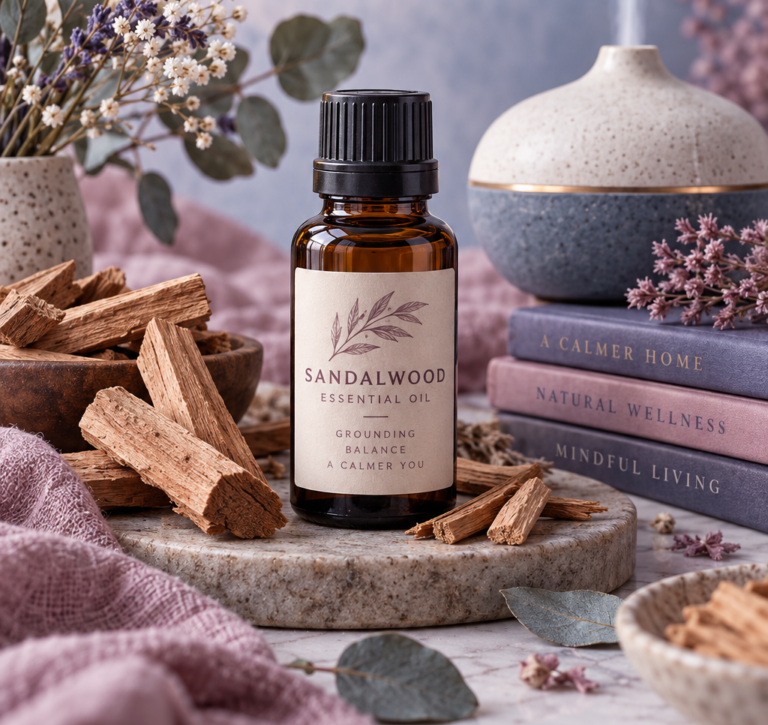
- Sandalwood oil – calm nerves and improve focus
- Bergamot oil – stress relief and also for skin irritations and conditions like eczema (with caution)
- Rose oil – improve mood, ease anxiety
- Chamomile oil – improve mood, aid relaxation
- Ylang ylang oil – help with headaches and nausea as well as some skin conditions
- Tea tree oil – fight infections and boost the immune system
- Jasmine oil – help with depression
- Lemon oil – help the digestive system, headaches and boost mood
Now the thing to remember with all of this is that much of it has been passed down through generations. While there can be scientific studies to back or refute some of the essential oil associations, you always need to be a little careful. And don’t get disappointed if you use one and it doesn’t do these things – it is an association rather than a proven case, remember.

You can also use them for different things around the house. Some, for example, can be added with other products to use for cleaning purposes. They are also great natural ways to add to your first aid kit or as a bug repellent.
Selecting an essential oil
If you start looking around, you will quickly realise there are lots of oils out there of varying prices. You can get really inexpensive ones and some that are a lot costlier.
There’s no set way to define an essential oil here in the UK or elsewhere. But there are some terms used that can give you an indicator. For example, pure oils are those that only use the compound of the plants stated without any additives or synthetic oils. 100% pure oil usually means there is only one plant involved in the process.
Likewise, therapeutic grade doesn’t mean that there’s been an official certificate to what it can do. But you should only use an essential oil in cooking or that you ingest if it specifically says it is safe for this. Some companies will also have their standard of quality and explain what this means.
Also learn about the shelf life of essential oils as these vary depending on the type of oil.
Adverse reactions
The other thing to know about essential oils is that not everyone takes to them. For some people it can be they simply don’t like the smell of certain oils. Or it can be something more severe such as allergic reactions. Pregnant women are always advised to be careful when using them.
The trick is to use them cautiously when you start. Use a little of the oil against your skin somewhere out of the way such as the underside of your arm. Wait for a while to make sure the essential oil products don’t cause a reaction. Then you can move on to trying whatever you want.
Benefits of essential oils
We’ve been using essential oils in an electrically powered diffuser in our front room for a few months now and I love it. We have a few different oils including lemon, lime and eucalyptus, each of which brings a different feel and mood to the room. I also like the idea of trying them for cooking, although I’ll have to get the husband (he’s a chef) into the idea!
Do you use essential oils? What’s your favourite oil and what do you use it for? I’d love to hear some new ideas!


2 Comments