I sometimes use affiliate links in content. This doesn’t cost you anything but I may make a commission payment from anything you buy through these links. As an Amazon Associate I earn from qualifying purchases. All opinions remain my own.
Sometimes you go through a bottle of essential oil in no time. Other times, it is a little slower to use and seems to be sitting on the shelf for a long time. But then there’s something to think about – does essential oil have an expiry date? Can it go bad?
Let’s look at the shelf life of essential oils and how you can spot when an oil is past its best.
Table of Contents
Do essential oils have an expiry date?
Because essential oils aren’t usually designed to be eaten or added to food, they don’t have to have an expiry or best before date on them. Some of the manufacturers do print an expiry date on them to tell you when you should use the oil by but the majority of them don’t.
If the bottle does have an expiry date on when you are looking at it in the shop, treat it as food – buy the one with the longest date on it! But otherwise, remember that oils are rarely in the shop within a few days of being made so they could already be a few weeks or even months old.
It can be a good idea to have a simple tracker sheet that lets you note down what the oil is and when you bought it. Or if you don’t open it straight away after buying it, note down when you did open it on the sheet. That way you always have an idea of how long things have been in use.
Shelf life of popular essential oils
While every essential oil from a different manufacturer can be a little different because they may use different processes, there are some general rules about how long oils will keep once opened.
What affects the lifespan of essential oils?
There are a few factors that can affect essential oils and reduce their lifespan or cause them to go bad.
Heat
Top of the list is heat – this causes a process called oxidation to happen quicker than normal and reduces the oil’s shield life. Ideally, store essential oils at 2-4 degrees C (36-40 F) which might mean in the fridge.
But for most of us, this won’t be practical as we don’t want to risk tainting foods. So keep them somewhere cool and dark, away from heat sources like radiators.
Light
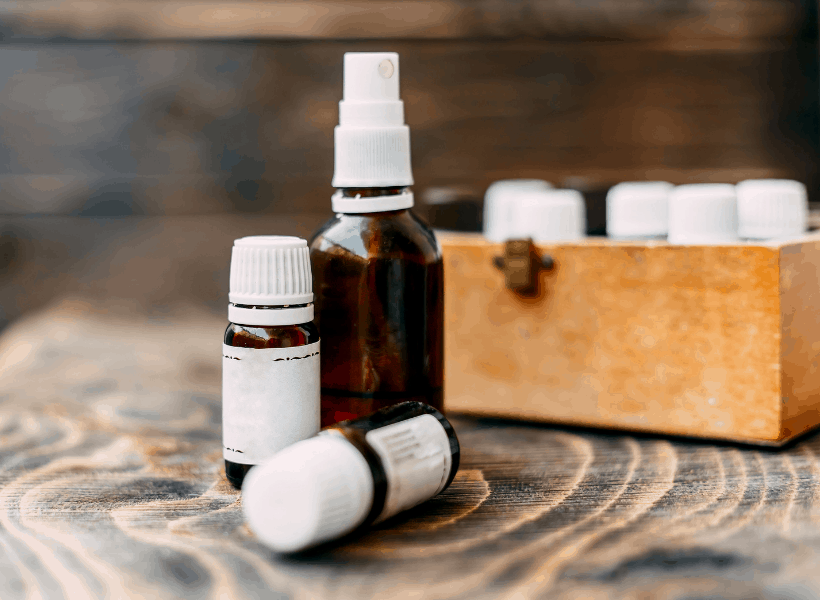
Any decent essential oil will come in a dark coloured bottle, usually brown, green or blue. This is done because it helps to protect against UV light from the sun. But if you put the bottle on a sunny windowsill or in the sunlight, it can still impact the quality of the oil and how long it lasts. So again, somewhere cool and dark is best.

Air
The more air that gets into a bottle, the quicker an oil deteriorates so keeping the lid on the bottle is important to minimise the amount of air that gets in. If you have a larger bottle and have used two-thirds or more, then it can be worth transferring to a smaller bottle so there’s less air stored with the oil.
How to tell if an essential oil is bad
One of the easiest ways to tell if an essential oil has gone bad is that it no longer smells right. With the more familiar oils, you’ll recognise the scent and know that something isn’t right with it. If it is less familiar, it can be worth noting on your sheet what it smelled like or reminded you of to help stimulate your memory as time passes.
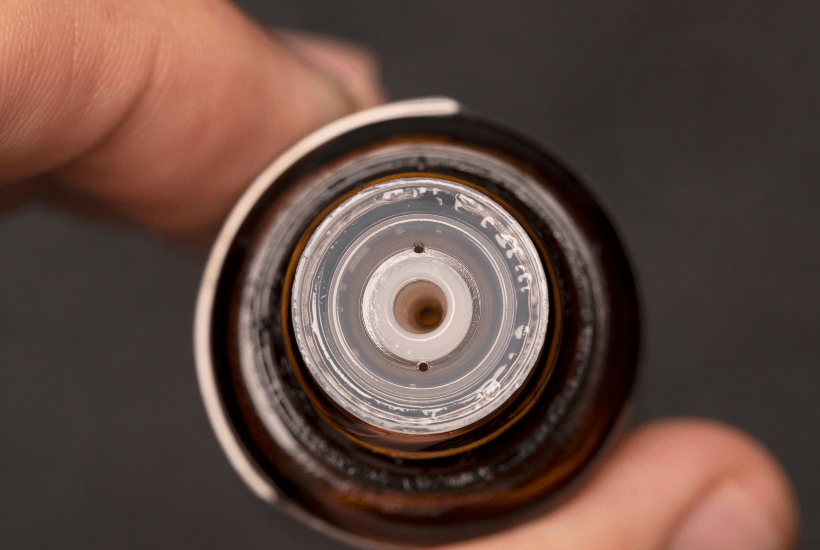
The other way to tell is to look at a few drops of the oil. Some oils can separate over time or become cloudy. So add a couple of drops to a white tray or plate and see if it looks okay.
Can you still use essential oils after their shelf life has expired?
You can still use some oils if they have recently passed their expiry date or the recommended time to use them within. For example, in cleaning products or sprays to use in the garden to help with pests. But if they are well past the date, then it is a good idea to simply dispose of them and get fresh ones.
Never pour oils down the drain as it isn’t good for your drains or the environment. The local waste management or recycling centre should be able to tell you the best way to dispose of them. Then glass bottles can go into the normal recycling waste if they are empty.
Make the most of your essential oils
By having a clear record of when you bought or started using an oil, then you can ensure you use it within a recommended time and get the most from what you’ve bought. Remember good storage and most oils will last at least a year – and some much longer.