
I sometimes use affiliate links in content. This doesn’t cost you anything but I may make a commission payment from anything you buy through these links. As an Amazon Associate I earn from qualifying purchases. All opinions remain my own.
Do you love the smell of patchouli essential oil? If so, you’re not alone! This oil has been used for centuries for its therapeutic properties. In this blog post, we will discuss the benefits and uses of patchouli essential oil. We will also provide some recipes for how to use it in your everyday life!
Table of Contents
What’s patchouli oil?
The leaves of the patchouli plant, a kind of aromatic herb, are used to create patchouli oil, an essential oil.
The leaves and stems of the plant are picked, dried out, and distilled to produce patchouli oil. They are then refined through a distillation technique to extract the essential oil.
Read on to learn more about patchouli oil, including what it can and cannot do.
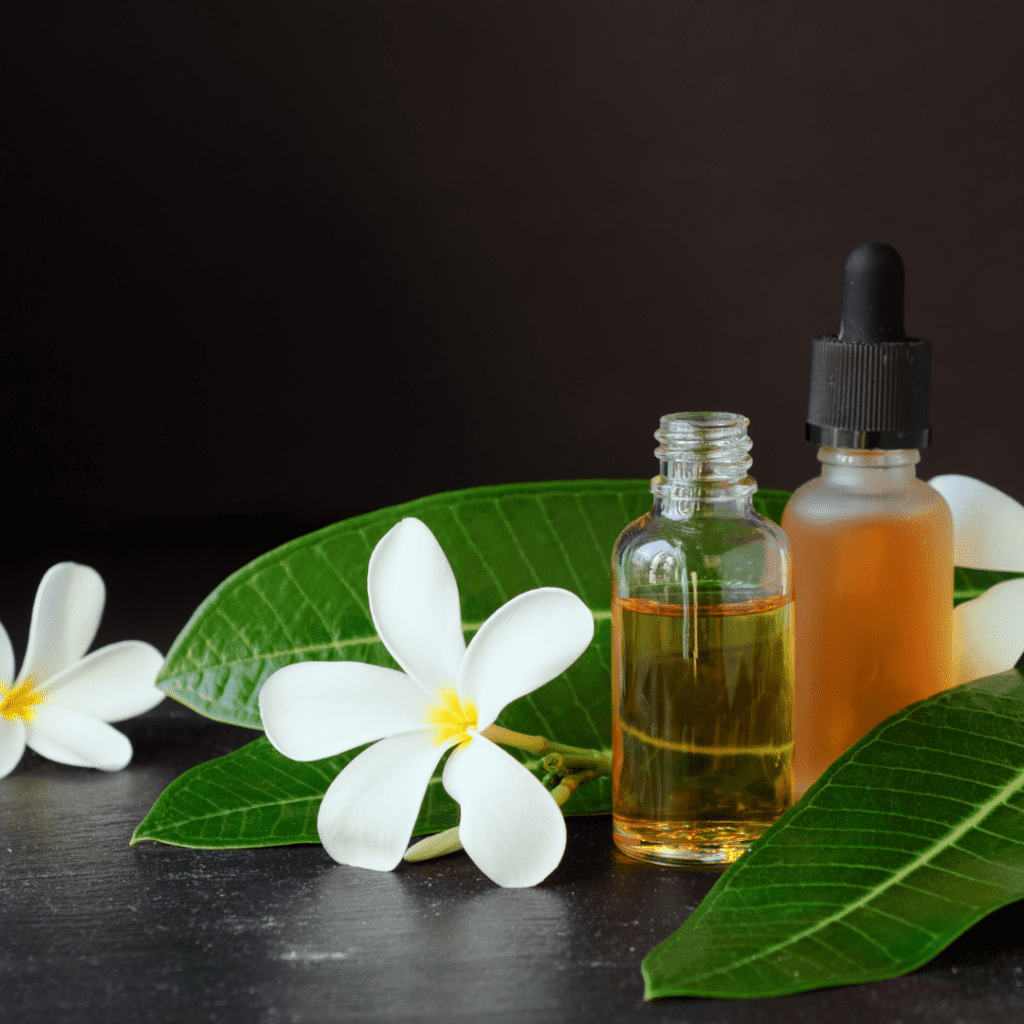
Patchouli oil uses
The scent of patchouli oil is woody, sweet, and spicy. As a result, it’s frequently added to fragrances, cosmetics, and incense as a fragrance ingredient.
In addition to its various health benefits, patchouli oil has a number of applications outside of the United States. These include:
- The use of white, pink, or yellow products is dependent on the condition being treated. In many cases, these treatments are used to cure skin diseases such as dermatitis, acne, or dry, cracked skin.
- Bt is a naturally occurring microorganism that produces an insecticidal protein called Bt, which works against a variety of insects including caterpillars.
- It helps to relieve sadness and anxiety by promoting positive emotions such as optimism and pleasure.
- The goal of aromatherapy is to provide feelings of calmness and assistance in reducing stress or anxiety.
- If you want to identify whether you have dandruff or an oily scalp, try using a tea tree conditioner on your hair.
- Appetite is controlled
- It acts as an insecticide, antifungal, or antibacterial agent in certain applications.
- It’s used to flavor foods like sweets, baked goods, and beverages in small amounts.
Patchouli oil benefits
Much of the evidence for patchouli oil’s advantages is anecdotal, which means it comes from personal knowledge or testimony.
Many of the applications and advantages of patchouli oil have been the subject of study in recent years. We’ll look at what their research says so far below.
Antiinflammatory properties
Patchouli oil appears to have anti-inflammatory properties in a variety of studies:
- Swelling is an important feature of your body’s inflammatory reaction. A study conducted in mice found that one of patchouli oil’s components reduced chemically induced paw and ear swelling.
- Our source is a reputable one.
- Immune cells produce a variety of inflammatory chemicals. A 2011 study found that pretreating macrophages with patchouli alcohol reduced the quantities of these molecules produced by the cells when stimulated.
- Immune cells must also travel to the area of inflammation. In cultured cell studies, patchouli oil has been found to inhibit neutrophil migration.
This research has exciting implications for the treatment of inflammatory diseases using patchouli oil or its components.
In actuality, rats with chemically induced inflammatory bowel disease were given patchouli oil in a recent study.
Rats administered with patchouli oil had less damage and immune cell accumulation in their colon, according to the study.
Skin application
Mice were exposed to ultraviolet radiation, which can damage and age skin, followed by two hours of patchouli oil treatment. They examined the potential protective effects of patchouli oil in a variety of ways using a range of tests.
Mice treated with patchouli oil had less wrinkle development and greater collagen content, according to the researchers. More study is required to see if humans would obtain the same benefit.
For weight loss
Patchouli oil has also been claimed to be beneficial for weight reduction. No studies in humans have been done to verify this, but a tiny 2006 rodent study looked at the impact of inhaling patchouli oil on factors like body weight and food intake.
The rats that had inhaled patchouli oil and those who did not showed any significant difference in body weight or food consumption.
Antibacterial activity
Bacteria that cause illnesses, such as MRSA, use biofilms and pathogenicity factors to gain access and overcome a host’s defenses. A recent study found that patchouli oil was effective against methicillin-resistant Staphylococcus aureus (MRSA) biofilms and some pathogenicity factors.
A combination of several important oils, such as patchouli oil, was tested in recent research. The researchers compared the effect of the mixture on bacteria including Pseudomonas aeruginosa, Staphylococcus aureus, and Streptococcus pneumoniae.
Antifungal activity
The antifungal activity of 60 essential oils against three species of pathogenic fungus was investigated in a recent study. It was discovered that patchouli oil had significant antifungal activity against C. neoformans.
A. niger was found to have antifungal activity as well. The scientists, however, stated that previous research hasn’t shown the same findings.
As an insecticide
Several researchers have investigated the influence of patchouli oil on a variety of insect species. Discovering natural pesticides may be very useful, because many man-made pesticides are harmful to the environment.
According to a 2008 study, patchouli oil was the most efficient at eradicating house flies when applied topically against other essential oils.
Three species of urban ants were found to be poisoned by patchouli oil in recent research.
Finally, in 2015, researchers evaluated the toxicity of a variety of commercially available essential oils on two species of mosquitoes.
The most poisonous was patchouli oil, according to the research. However, the researchers noted that it is far less hazardous than artificial pesticides.
Side effects and who’s most at risk
When patchouli oil is applied to the skin, it seldom causes irritation or an allergic reaction. However, if a response occurs, you should be cautious when initially applying it. Never put unprocessed patchouli essential oil on your skin.
The following individuals should avoid using patchouli oil due to the risk of blood coagulation:
- If you’re taking a blood-thinning medication, check with your doctor first.
- Individuals who have just had or will be going through major surgery are strongly advised against using a scooter for one month after their operation.
- People with bleeding disorders, such as hemophilia, bruce’s disease, or von Willebrand disease may be subjected to the Brucelantz Test.
It’s also important to remember that essential oils are extremely concentrated, so err on the side of caution when applying them to the skin or using them in aromatherapy.
If you’re not a doctor, it’s important to remember that ingesting or drinking any essential oil without the advice of a licensed medical expert can be harmful.

How to use patchouli oil
Topically, the essential oil of patchouli can be used to treat a variety of ailments. It’s also compatible with aromatherapy.
On your skin
When using essential oils like patchouli oil, it’s critical to adhere to appropriate dilution instructions. According to the National Association for Holistic Aromatherapy, most skin-application essential oil mixes should contain between 1 and 5 percent essential oil.
For topical application, essential oils should be mixed in a carrier oil. Jojoba oil, grapeseed oil, and avocado oil are all examples of carrier oils available.
If you’re worried about having a skin reaction, do a patch test before applying patchouli oil on your skin. Follow these three easy steps to perform a patch test.
Try a patch test
- Combine equal portions of patchouli oil and carrier oil.
- Apply a few drops of your test solution to the absorbent pad of a bandage and apply it to the inside of your forearm.
- Remove the bandage after 48 hours to examine for signs of skin sensitivity.
Inhalation
It can also be used in a steam inhalation or a diffuser for aromatherapy. It’s critical to dilute essential oils properly, just as with topical applications.
Inhale essential oils only when you are in a well-ventilated space, taking a break every 30 minutes. Prolonged contact with these oils might result in headaches, nausea, or dizziness. Pets, children, and the general public should not be exposed to diffused essential oils.
Blending
Patchouli oil mixes well with a wide range of other essential oils since it provides its strong, pungent scent. Some good essential oils to combine patchouli with include:
- cedarwood
- frankincense
- jasmine
- myrrh
- rose
- sandalwood
Benefits of patchouli essential oil
Patchouli oil is a powerful and potent essential oil that can be used in many ways. Patchouli oil has been found to have insecticidal properties, which makes it an excellent choice for integrated pest management programs when patchouli oil is applied topically against other essential oils. See how you can use it with your other favourite oils!


