

I sometimes use affiliate links in content. This doesn’t cost you anything but I may make a commission payment from anything you buy through these links. As an Amazon Associate I earn from qualifying purchases. All opinions remain my own.
Life can be tough. Sometimes you need to take a step back and ask yourself the important questions, like “how am I going to relax?” If you’re suffering from stress or anxiety and looking for the best essential oils for stress relief, we’ve got you covered! In this blog post, we will discuss 15 different oils that are best for reducing your tension and calming your mind.
Table of Contents
Lavender
Lavender is a popular essential oil among both novices and experts of aromatherapy. Lavender, like other essential oils with anxiolytic effects, has the ability to produce a soothing effect on individuals as a whole.

Using a 3 per cent lavender oil spray on clothing was found to help reduce workplace tension, according to research.
Lavender essential oil has a beautiful, floral scent and is useful in a variety of ways. A few drops may be added to a diffuser, used on your skin directly, or combined with other items or oils.
Chamomile
The chamomile plant, which is also used in tea, has sedative qualities. The essential oil of chamomile is no exception and has rest-inducing effects that may help you sleep.
According to a number of studies, chamomile essential oil is beneficial. It’s been used to treat a wide range of problems and disabilities over the years, such as digestive upset, anxiety, wounds, pain, and sleep difficulties.
After eight weeks, 58.1% of people with moderate to severe generalized anxiety disorder reported decreased symptoms when taking chamomile extract. Chamomile therapy was also discovered to alleviate anxiety symptoms and boost morning cortisol levels in one research.
To feel the calming influence of Roman chamomile oil, try diffusing or putting a few drops on your pillow before going to bed.
Orange
Orange essential oil, like other citrus oils, is a calming essential oil with anxiolytic properties.
Sweet orange essential oil did not cause an increase in anxiety or tension in individuals who inhaled it during a stressful time, according to a study.

The beautiful fragrance, on the other hand, can enhance the senses and augment alertness, resulting in a healthy mood that’s ideal for meditation when combined with the sedative effect.
Orange essential oil can be diffused or distilled with other products.
Sandalwood
Sandalwood oil comes from the wood and roots of Santalum album, also known as East Indian sandalwood. This is one of the most precious and valuable trees in the world.
Sandalwood essential oil has an earthy, warm quality that makes it ideal for treating anxiety. It also contains anxiolytics properties.
Sandalwood oil has been studied and shown to be helpful in reducing anxiety. The number of participants was insufficient for firm conclusions to be drawn, but the results were encouraging.
The delicate and woodsy essential oil may be directly inhaled, diffused, or applied topically.
Clary sage
Clary Sage (Salvia sclarea) is a flowering plant native to the Mediterranean region. Because it affects cortisol, the stress hormone, it’s ideal for reducing tension.
Clary sage was found to lower cortisol levels and have an antidepressant-like effect in women going through menopause when inhaled, according to 2014 research.
Diffuse this essential oil to create a soothing effect in the entire area, or inhale it right away when applied to a cotton ball or tissue. When diluted, it can also be applied directly to your skin.
Lemon
Preliminary animal research revealed that lemon, obtained from the plant’s leaves, has sedative and anxiety-reducing properties.

Lemon essential oil is a natural mood elevator and stress-alleviator with a zesty scent and several effects that may help you feel better.
Lemon essential oil, according to a 2018 study, has the ability to influence dopamine activities in mice. Lemon oil also improved pupils’ attention levels, concentration, cognitive performance, and mood during learning in a 2005 study.
Bergamot
Another anxiety-reducing essential oil is bergamot, which has a citrus aroma. It’s derived from the peel of the bergamot fruit, also known as Citrus bergamia.
Despite the fact that research on bergamot essential oil’s effects is limited, it has been shown in several studies to aid improve stress and promote relaxation.
A 2017 study found that 15 minutes of bergamot essential oil inhalation in the waiting room of a mental health treatment centre improved participants’ positive emotions.
When diffused or inhaled, bergamot is at its peak. This oil, on the other hand, has photoreactive qualities that cause it to react to sunlight. When applied topically, bergamot can have a negative response to the sun and may burn your skin.
Rose
Rose essential oil is extracted from the flower and has stress-reducing qualities as well as a soothing, delicate floral scent.

The use of rose oil in a topical ointment has been linked to significantly reduced breathing rate, blood oxygen saturation, and systolic blood pressure in a 2009 study. After the oil therapy, the participants said they felt much more calm.
Rose oil was found to reduce anxiety levels in pregnant women during delivery in a 2014 study of over 100 women.
Jasmine
Jasmine essential oil is a type of essential oil extracted from the white blooms of the jasmine plant, also known as Jasminun officinale. The calming and uplifting properties of jasmine essential oil have made it highly popular.
Researchers discovered that when individuals inhale jasmine oil, their brain activity is altered. Participants reported a significant reduction in negative emotions and an improvement in mood overall.
When compared to a placebo, jasmine essential oil improved blood oxygen saturation, breathing rate, and blood pressure in a 2010 study that looked at jasmine essential oil. The people in the jasmine oil group also reported feeling more awake.
The researchers discovered that jasmine oil’s stimulating and invigorating properties may help with depression and mood improvement.
Ylang ylang
Ylang ylang is a yellow star-shaped blossom that blooms on the Cananga tree (Cananga odorata). The plant, which grows in countries such as India, the Philippines, Malaysia, Indonesia, and parts of Australia, is also known as canang marijuana.

Ylang ylang oil can help lower blood pressure and provide a calming effect, according to preliminary research published in 2006 that used extracts from the flower of the ylang ylang plant.
The aromatic scent is both calming and restful, making it ideal for use when you need to unwind but don’t want to be drowsy.
Lemongrass
Some people use lemongrass essential oil, a product obtained from the lemongrass herb (Cymbopogon citratus), to relieve anxiety naturally. It’s been shown that inhaling the scent of the oil (or applying it to skin sparingly after mixing it with a carrier oil) helps to relax and alleviate anxiety symptoms.
Although there is little evidence on the efficacy of lemongrass essential oil, a research published in the Journal of Alternative and Complementary Medicine in 2015 revealed that people who inhaled lemongrass essential oil had an immediate reduction in anxiety and tension, as well as a quicker recovery from an anxiety-inducing scenario, compared to those who breathed the placebo.
Neroli
Neroli essential oil, which has a pleasant and spicy scent, is sometimes used to treat anxiety.
The flowers of the bitter orange tree and their essential oil (sourced from the blooms) are said to help people relax and stop worrying excessively.

The scientific literature regarding the influence of neroli (citrus aurantium L.) essential oil is somewhat limited. In a research published in Hepato-gastroenterology, individuals breathed either neroli oil or a control (sunflower oil) before having a colonoscopy. Those who had breathed neroli oil had lower systolic values but no change in pain levels.
Inhalation of neroli is used as a sedative in some health centers outside the United States. In menopausal women, inhalation of neroli resulted in better symptoms and less PMS symptoms among university students. Lemon smell improved attention, mood, and memory in fourth-grade children as measured by olfactory stimuli in a 2005 study.
Yuzu
Japanese yuzu essential oil, which has been used in aromatherapy for centuries, is sometimes presented as a natural solution for stress relief.
It is commonly used in aromatherapy to help people fall asleep. Breathing the scent of this essential oil has been shown to reduce sympathetic nervous system activity (which is responsible for the body’s fight or flight reaction) and, as a result, induce relaxation.
According to a small research, ten minutes of yuzu aroma inhalation decreased salivary chromogranin A (a sign of stress and sympathetic nervous system activity) and unpleasant emotional stress. Inhalation of yuzu essential oil reduced anxiety in mothers caring for sick children evaluated in a study published in Complementary Therapies in Medicine.
Lemon Balm
Lemon Balm, often known as Melissa , has been used for hundreds of years. It’s been called the “elixir of life” for its medicinal and uplifting properties, which have also made it a popular remedy.
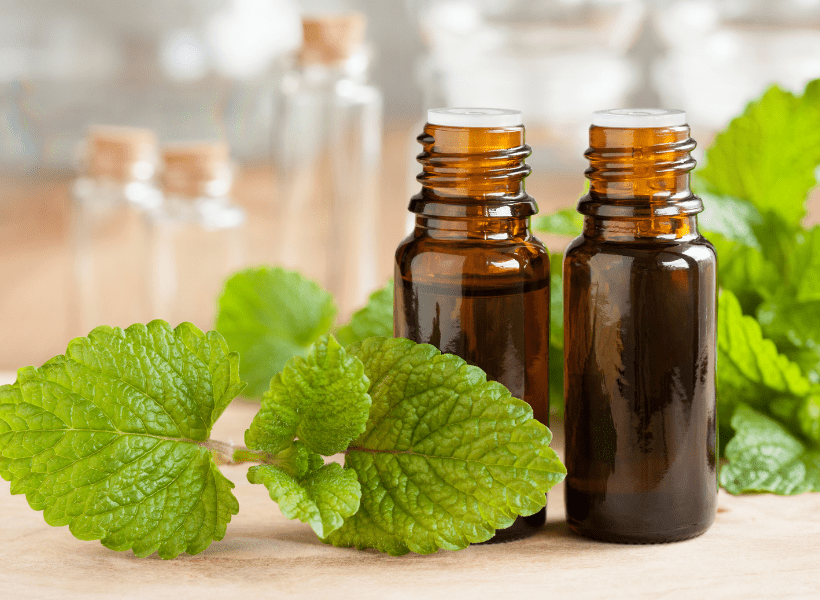
Melissa essential oil has anti-inflammatory, antiseptic, antidepressant, and relaxing effects. It can function as an antidepressant to alleviate sadness and anxiety. To promote deep relaxation and reduce stress and anxiety, add it to a warm bath or apply it directly to the skin.
Peppermint
Peppermint oil is extracted from the peppermint plant’s blooming portion (Mentha × piperita). You may anticipate a more cool and refreshing scent when compared to other essential oils on our list, since peppermint falls within the mint family.
Peppermint oil, on the other hand, has been shown to have the exact opposite impact of ylang-ylang oil in a study. Peppermint, instead of promoting relaxation, has been observed to increase attentiveness and memory. That’s why it’s a smart choice while performing or studying.
So while it might not directly relieve stress, it can help you concentrate and that can help with those stress levels!


3 Comments