I sometimes use affiliate links in content. This doesn’t cost you anything but I may make a commission payment from anything you buy through these links. As an Amazon Associate I earn from qualifying purchases. All opinions remain my own.
The world of essential oils offers a natural approach to wellness, home care, and personal aromatherapy. Whether you’re curious about natural solutions or seeking to enhance your daily routines, this guide will walk you through everything you need to know to start your essential oil journey.
Table of Contents
Introduction to Essential Oils
Essential oils are concentrated plant extracts that capture the natural scents and beneficial compounds of their source materials. These powerful botanicals have been used for thousands of years across various cultures for their therapeutic properties. Learn more about the fundamentals of essential oils here.
The extraction process typically involves steam distillation, though some oils require cold pressing or other specialized methods. Each oil contains unique compounds that give it distinct properties and benefits.
Getting Started with Essential Oils
Starting your essential oil journey requires understanding a few key aspects. Quality matters significantly when choosing essential oils. Our guide on what to look for when buying essential oils helps you make informed decisions about purity, sourcing, and testing standards.
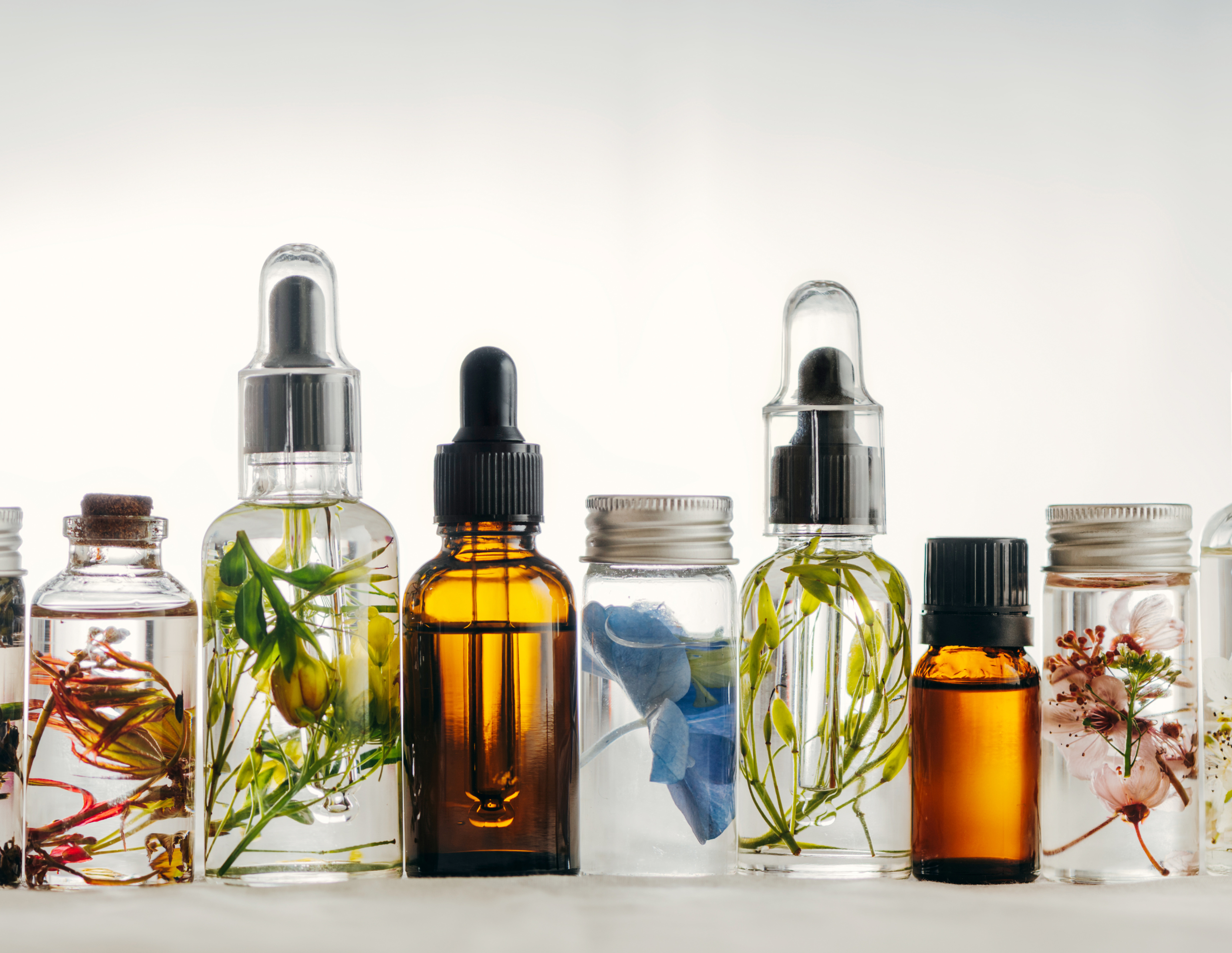
Proper storage is crucial for maintaining oil quality. Keep your oils in dark glass bottles, away from direct sunlight and heat. Understanding essential oil shelf life helps you maximize their effectiveness and ensure safety.
Methods of Using Essential Oils
There are several ways to enjoy essential oils, each suited to different purposes. The three main application methods include:
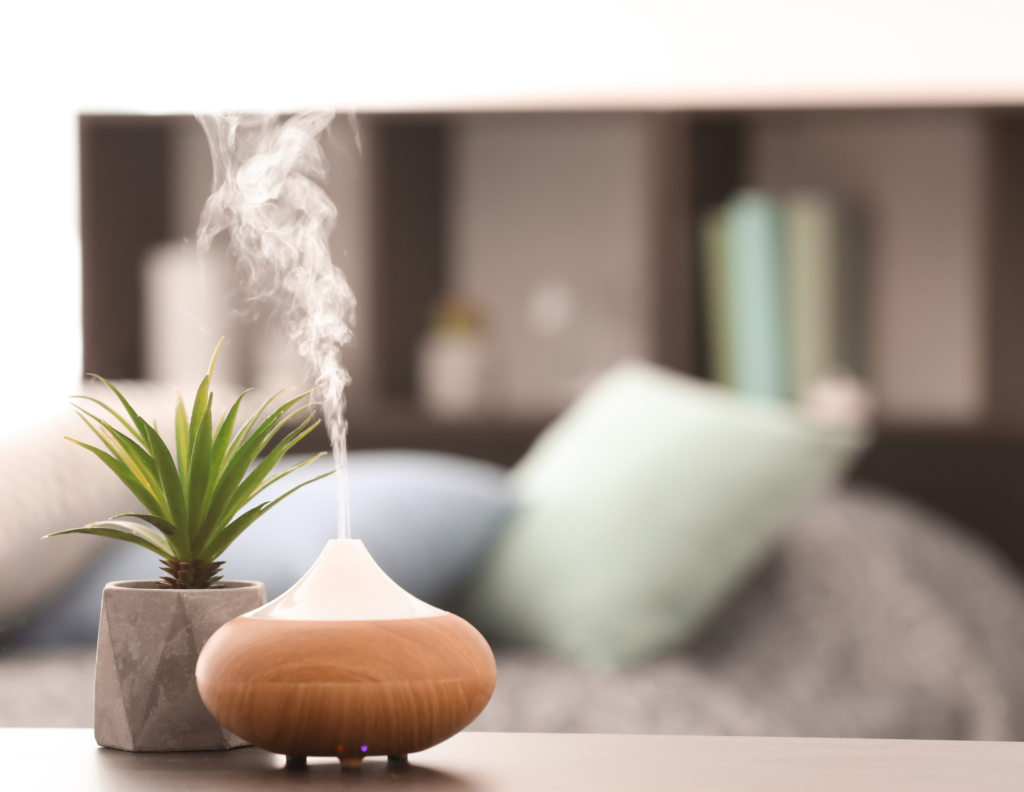
- Aromatic Use: Diffusing oils into the air creates an inviting atmosphere and allows you to experience their aromatic benefits. Learn how to use an essential oil diffuser to get started with this popular method.
- Topical Application: Applying oils to the skin can target specific areas, though proper dilution is crucial. Always use a carrier oil for safe application.
- Indirect Methods: Adding oils to cleaning solutions, beauty products, or other household items offers practical daily benefits.
Understanding Carrier Oils
Carrier oils play a vital role in essential oil use. These plant-based oils help dilute essential oils for safe application while offering their own beneficial properties. Common options include:
- Coconut oil: Easily absorbed and naturally antimicrobial
- Jojoba oil: Similar to skin’s natural oils
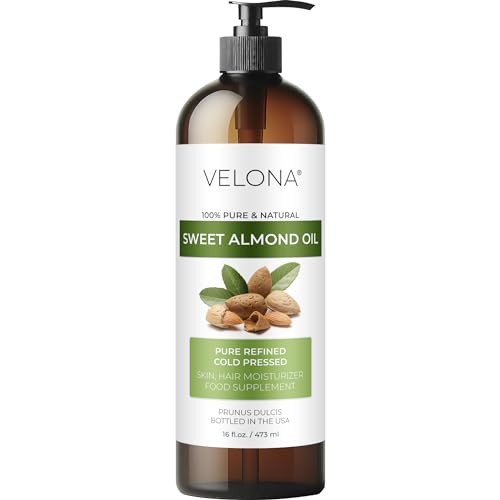
- Sweet almond oil: Light and versatile
- Grapeseed oil: Light and non-greasy
Understanding Essential Oil Categories
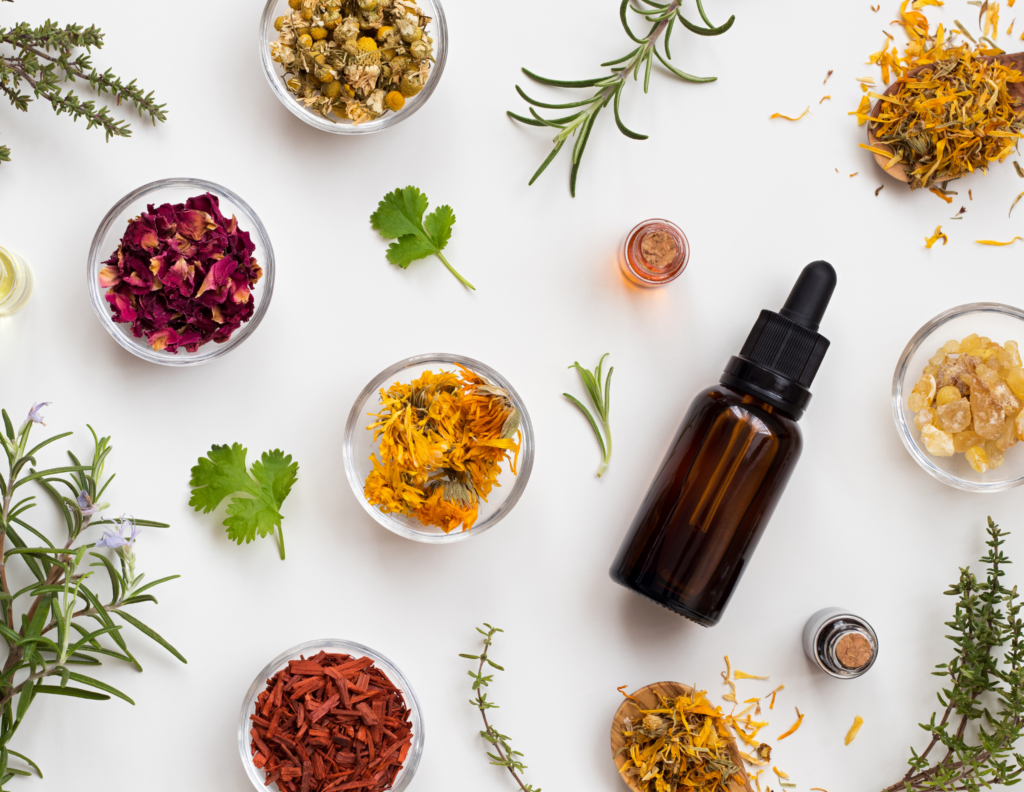
Essential oils can be grouped into distinct aromatic families, each with unique properties and benefits. Understanding these categories helps you make informed choices and create balanced blends.
Citrus Oils
Citrus oils bring fresh, uplifting energy to any space. These oils, extracted from fruit peels, include:
- Lemon: Fresh and cleansing
- Bergamot: Bright with subtle floral notes
- Orange: Sweet and cheerful
- Grapefruit: Tangy and invigorating
- Lime: Zesty and refreshing
Note that citrus oils can cause photosensitivity, so avoid direct sun exposure after topical application.
Floral Oils
Floral oils often support emotional well-being and skin health:
- Lavender: Calming and versatile
- Rose: Rich and nurturing
- Ylang Ylang: Sweet and romantic
- Chamomile: Gentle and soothing
Herbaceous Oils
These fresh, clean-scented oils offer various wellness benefits:
- Rosemary: Sharp and stimulating
- Basil: Fresh and focusing
- Oregano: Powerful and purifying
- Tea Tree: Clean and purifying
Woody Oils
Grounding and centering, woody oils add depth to blends:
- Cedarwood Atlas: Deep and focusing
- Patchouli: Rich and earthy
- Frankincense: Resinous and meditative
Spicy Oils
These warm, stimulating oils add intensity to blends:
- Cinnamon: Warm and comforting
- Clove: Strong and warming
- Cardamom: Spicy-sweet and warming
- Ginger: Fresh-spicy and energizing
Minty Oils
Refreshing and invigorating, mint oils clear the senses:
- Peppermint: Cool and energizing
- Spearmint: Gentler mint option
- Wintergreen: Sweet and warming
Popular Essential Oils for Beginners
When starting your collection, choose oils that offer versatility and safety. Here are the top recommendations for beginners:
Lavender: Often called the “Swiss Army knife” of essential oils, lavender supports relaxation, skin health, and sleep. Its gentle nature makes it perfect for beginners.
Peppermint: This refreshing oil offers an invigorating scent and cooling sensation. Use it for energy, focus, and seasonal comfort.
Tea Tree: A powerful purifying oil that supports skin health and clean surfaces. Its versatility makes it a must-have.
Lemon: This bright oil lifts mood, freshens air, and enhances cleaning blends. Its familiar scent makes it approachable for beginners.
Basic Essential Oil Blending
Creating your own essential oil blends opens up endless possibilities. Before you begin blending, understand that oils are categorized into top, middle, and base notes. This classification helps create balanced, long-lasting blends.
Start with simple combinations of 2-3 oils. For example:
- Lavender + Lemon = Fresh and calming
- Peppermint + Orange = Energizing
- Tea Tree + Lavender = Purifying and soothing
Common Uses for Beginners
Essential oils integrate easily into daily life. For relaxation and better sleep, try these calming oils. Add oils to your skincare routine with guidance from our essential oils for skin care guide.
Home cleaning becomes more pleasant with essential oils. Lemon, tea tree, and lavender make excellent additions to natural cleaning solutions. They freshen air naturally while supporting a clean environment.
Essential Oil Equipment
The right tools enhance your essential oil experience. Choosing the right diffuser makes a significant difference in how you enjoy your oils. Consider:
- Ultrasonic diffusers for regular use
- Passive diffusers for small spaces
- Car diffusers for on-the-go aromatherapy
Store oils in dark glass bottles with tight-fitting lids. Keep a selection of empty bottles, labels, and droppers for blending and application.
Safety and Best Practices
Safety should always come first when using essential oils. Follow these guidelines:
- Always dilute oils properly before topical use
- Perform patch tests before trying new oils
- Keep oils away from eyes and mucous membranes
- Store out of reach of children and pets
- Research any contraindications for medications or health conditions
Getting Started: Your First Essential Oil Kit
Begin your journey with these basics:
Essential Oils:
- Lavender for relaxation and skin support
- Tea Tree for purifying properties
- Lemon for cleaning and fresh scent
- Peppermint for invigoration
Supplies:
- A quality diffuser
- Two carrier oils
- Empty glass bottles for blending
- Labels and droppers
- Storage container
Start small and expand your collection as you learn more about your preferences and needs. Focus on quality over quantity, and take time to learn about each oil’s properties and uses.
Remember, essential oils are powerful plant compounds that deserve respect and careful use. With proper knowledge and attention to safety, they can enhance many aspects of your daily life naturally and effectively.
Note: Essential oils are not meant to diagnose, treat, cure, or prevent any disease. Always consult healthcare providers about using essential oils, especially if pregnant, nursing, or taking medications.