

I sometimes use affiliate links in content. This doesn’t cost you anything but I may make a commission payment from anything you buy through these links. As an Amazon Associate I earn from qualifying purchases. All opinions remain my own.
Inside: Winter essential oils can help with everything from making your home smell like Christmas to boosting your immune system but which ones?
I don’t know about where you are but here in England, winter is a tricky one. One day there’s sunshine and it is cool, the next it is pretty cold. Okay, we don’t get the lows that some parts of the world do but it can still be a hard and unpredictable season.
Snow is always a potential, just around the corner. And that means you need to do what you can to help your body and home – that’s where winter essentials oils can help. But which ones and for what?
Table of Contents
Best winter essential oils
To start with, if you are simply looking for some seasonal scents to add a nice aroma to your home, then you can go for the classics as well as the seasonal ones. For example, a little cinnamon, ginger or clove can add a warmth to a room but can be an irritant so use them sparingly. You can also aim for softer scents like sweet orange that also seems somehow seasonal (or is that just me?)
There are some winter essential oils that are strongly associated with Christmas for one reason or another such as:
- Fir needle
- Scotch pine
- Peppermint and spearmint
- Frankincense and myrrh
- Cinnamon
- Nutmeg
- Cedarwood
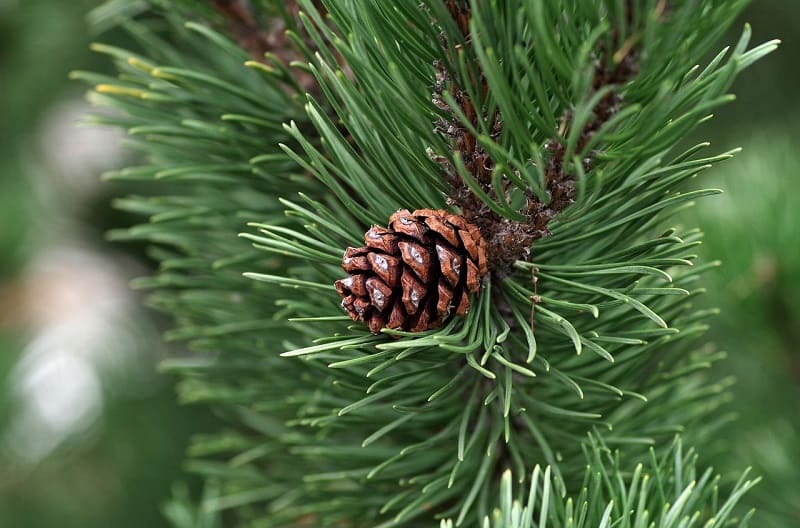
You can mix the strong spicy or minty scents with some of the more gentle ones such as citrus oils to get a nice seasonal and fresh blend. Combine these seasonal favourites with oils such as lemon, lime, grapefruit or bergamot as well as the orange family scents.
Immunity boost
How many of you regularly seem to end up with one of those irritating winter colds? They aren’t as bad as the full-fledged flu, but you cough and sniff all the way through Christmas and New Year. That’s often because the immune system gets bombarded with viruses and ‘bugs’ in winter and can’t always fight them all off.
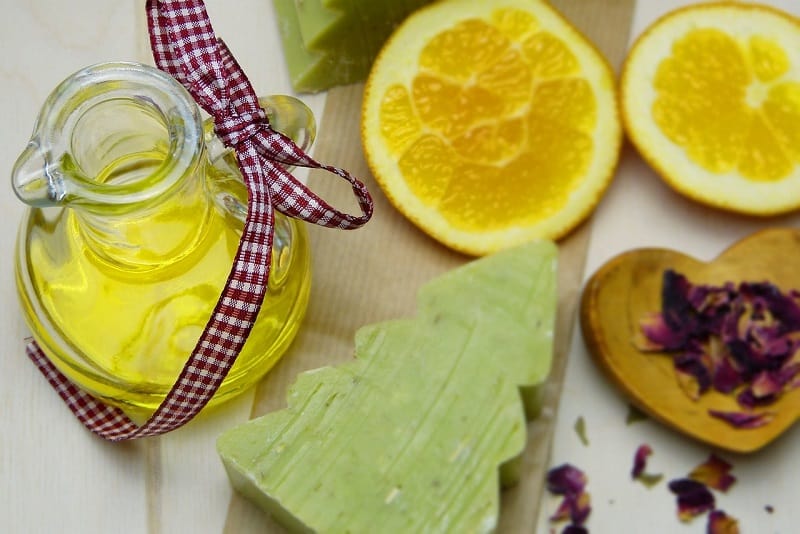
Therefore one use for winter essential oils is to help boost the immune system. There are a few, in particular, that stand out for this job:
- Tea tree – good to fight viral infections and sinusitis as well as boost white blood cell production
- Geranium – increases circulation and boosts mood
- Lemon – natural detoxifier, it can help with sinusitis, flu and bronchitis as well as with sore throats
Best essential oils for coughs
Among the symptoms of winter ills, coughs have to be one of the most irritating, especially at night. So anything that can help, I’m up for trying. And these essential oils are particularly well known for helping with coughs:
- Peppermint – Known for helping with dry coughs, sinus congestion and bronchitis, peppermint contains menthol which is also soothing on a scratched throat from coughing.
- Bergamot – an expectorant which means it helps you cough better and clear that mucus, it also boosts mood and eases stress
- Scots pin – helps to open the lungs as well as being a decongestant and expectorant
- Rosemary – great for fighting colds, bronchitis, sinusitis and also rhinitis (irritation or inflammation of the mucous membrane in the nose)

If you like to blend oils, then a good respiratory blend is 10 drops of balsam fir, five of sweet orange and 30 drops of Ravensara. Use it in a diffuser or even add to jojoba oil and run on your back or chest.
Eucalyptus
Most of us will recognise eucalyptus from everything from cough sweets to Vicks vapour rub and that’s because it is both a decongestant and expectorant that relieves congestion. This comes from something called cineole that is a key compound and has also been shown to relieve muscle tension from cold and flu. It can be added a few drops at a time in a carrier oil or even added to steaming hot water and the steam inhaled.
If you want a blend that uses eucalyptus and can be inhaled, mix 5 drops with the same amount of tea tree oil. You can even buy blank inhalers to add your own blends to with a cotton wick or pad at the bottom.
Antiseptic and anti-viral essential oils
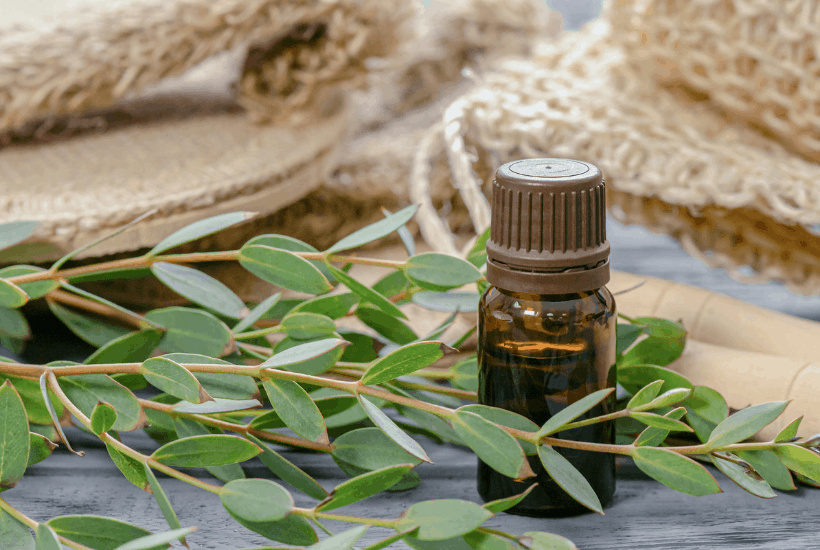
As well as battling those colds and coughs, you can find essential oils for winter that help with general wellness – specifically, that are antiseptic and anti-viral to help boost the body and make it ready to fight off infection.
Antiseptic oils
Antiseptics are something that kills bacteria – which can be both bad and good. The aim is to kill the bad bacteria because these cause illness. An example of winter essential oil uses for antiseptic purposes is to add to a hand sanitizer as well as using in infusers and other products. Some of the top oils that show antiseptic properties include:
Others also have antimicrobial properties – in other words, they can kill or affect those microbes that cause illnesses. Examples of these include lemon and lime, peppermint, fennel, juniper and olive.
Anti-viral oils
Alongside bacteria, viruses are a top reason we get sick. And while oils can’t kill them as such, they can help the body fight against them and therefore lessen their effects.
One study from the Acute Medicine journal (2015) showed that sandalwood, tea tree, thyme and ginger had strong anti-viral properties along with eucalyptus.
Cinnamon, bergamot and thyme also helped when both in liquid and vapour states, according to the American Journal of Essentials Oils and Natural Products.
Using winter essential oils
There’s a lot of evidence and first-hand studies that show winter essential oils can help with everything from boosting mood to coping with the effects of a cough and cold.
Obviously, you need to be careful when using any oil as I’m not a doctor! And always be cautious applying anything to your skin as things can cause reactions. But if you want to try some of these oils in different ways, I’d love to hear how you get on!





2 Comments