I sometimes use affiliate links in content. This doesn’t cost you anything but I may make a commission payment from anything you buy through these links. As an Amazon Associate I earn from qualifying purchases. All opinions remain my own.
Do you have a problem with bees and wasps? Are they invading your home or garden and causing trouble? If so, you may be looking for a way to repel them safely and effectively. Essential oils can be an excellent way to do this. In this blog post, we will look at how essential oils can be used to repel bees and wasps, without harming them in any way.
Table of Contents
Best essential oils to repel bees and wasps
Bees and wasps are typically safe, although if you frighten them away without disturbing them, they may become worrisome. You run the danger of being stung if they come too close; fortunately, there are plant oils that can be used as a natural bee repellent. Because no one wants to chance bee stings, including the bees!
And with wasps, well, they aren’t the most pleasant creatures but avoiding using commercial repellents even against those yellow jackets is the best option where possible. A few drops of essential oil can be an effective way to handle these insects both inside and around an outdoor space.
Here are some of them:
- Peppermint oil
- Citronella oil
- Lemongrass oil
- Geranium oil
- Lavender oil
- Clove oil
- Eucalyptus oil
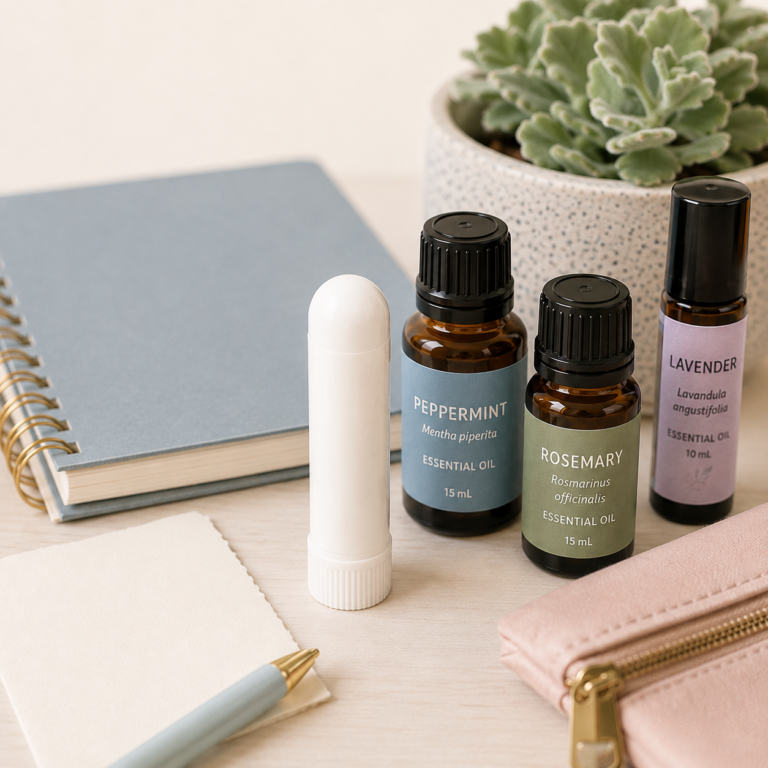
- Rosemary oil
- Tea Tree oil
The primary function of these oils is to repel wasps. Bees are more resistant than wasps, therefore the oils will work best on them.
It’s critical to note that the procedures you take are intended to keep bees and wasps out of your living space, not to harm them. Bees and wasps are highly necessary to the environment, and the globe is presently experiencing a natural pollinator emergency. Their presence is usually an indication of a healthy ecosystem, so you don’t want to tamper with it.
It’s important to note that not all essential oils are created equal, and some of them could have a negative influence on other animals. That being said, here are some of the most effective essential oils for repelling bees and wasps.
Best essential oils to repel bees and wasps
Peppermint
In general, bugs despise the scent of peppermint. Bees and wasps are repelled by peppermint plants naturally, as is their oil. It has a strong scent that works well to deter insects but peppermint essential oil is really a pleasant smell for humans.
Citronella
Citronella is an effective mosquito repellant, as evidenced by its use in various commercial goods. It can also keep bees and wasps at bay, making it a useful tool for gardeners.
Geranium
Various plants and animals are also used to repel mosquitoes. Another naturally effective mosquito repellent is geranium. Bees avoid geranium blooms because of their strong hues, as well as the scent of the flowers. Place the plant or a cup of water containing a few drops of the oil at entry points such as windows to help persuade bees and wasps not to visit.

Lavender
Humans adore the scent of lavender and value the soothing effect it has on us. However, this fragrance is not appreciated by our tiny pals. Lavender oil is also an efficient remedy for bee and wasp stings, as confirmed by studies.
Clove
Clove oil is a highly effective repellent for both bees and wasps, as well as other sorts of insects in general. The scent of cloves is quite strong in repelling them and a few drops can be used to make sure they never return.
Eucalyptus
Bees and wasps despise the odor of eucalyptus, much as peppermint repels bees. The plant itself is enough to keep them at bay, which is why they flap away when they catch a whiff of it in your home or garden.
Rosemary
Rosemary is another one of the naturally-occurring plants that keeps bees away. Its strong aroma aids in the prevention of insects. Rosemary oil has a strong repellent effect, and it works particularly well as a spray or ideally when diffused. It is also relatively easy to grow your own rosemary and use the leaves and flowering plants to make DIY oils.

Tea Tree
Tea tree oil is the most discreet, with a fragrance that isn’t as powerful as those of the other oils. It works to keep wasps at bay because to its mildness and lack of overpowering aroma. This is ideal for individuals who are more sensitive to stronger odors from the other oils. It is often pairs with oils from eucalyptus plants and has the added benefit of being a great decongestant for humans due to the active compounds in both.
Some essential oils are actually safe to use around bees and do not mind their scent. The oils are utilized by beekeepers and handlers, with lemongrass oil being used to attract bees in a special box. We decided to include these oils on the list since they are extremely effective wasp repellents, which you may be more interested in avoiding.
Why it is important to repel, not exterminate
The world is suffering through a bee crisis, with honey bees declining in number. Bee pollination is necessary for more than 70 of the 100 or so crops that provide 90% of the world’s food. Human activity is largely to blame for this problem, as we pose a danger to their habitat and expose them to many unnatural pesticides.
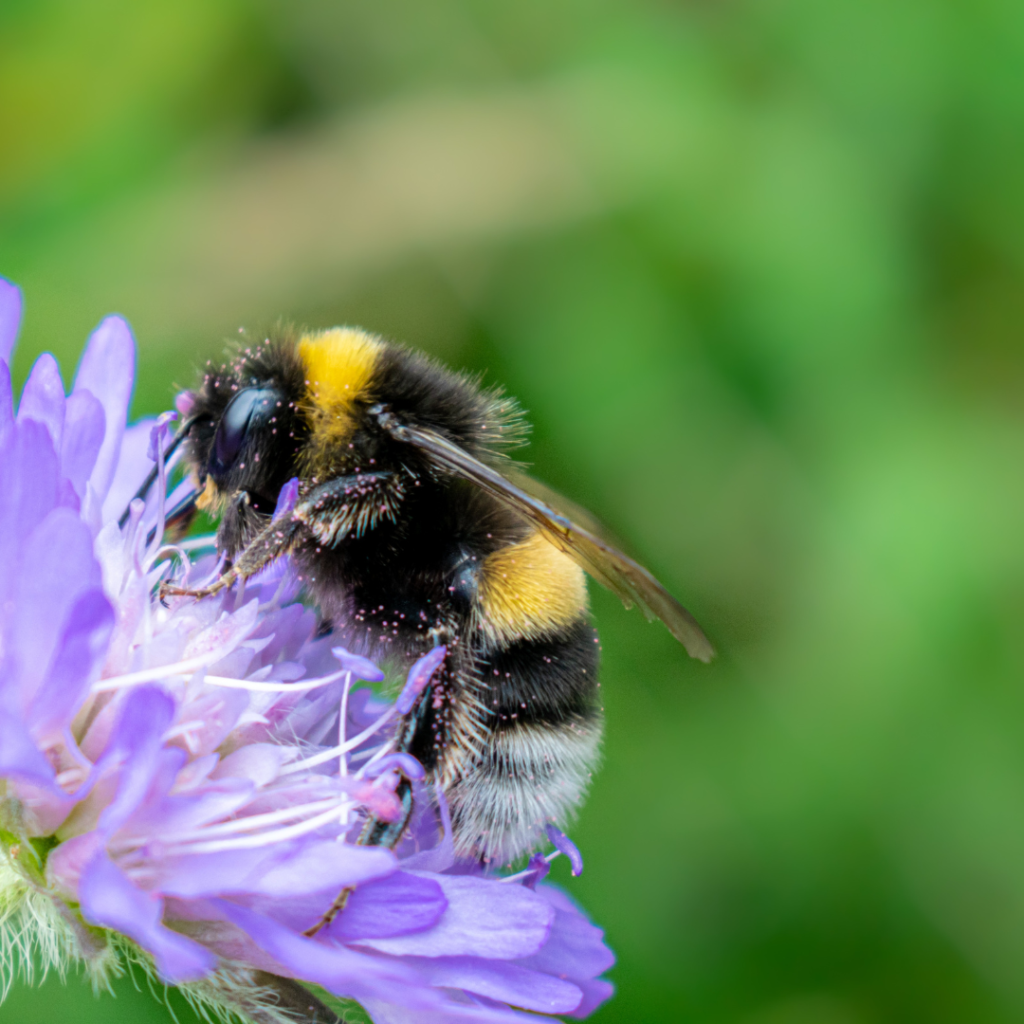
Aside from honey bees, other bee species such as sweat bees and carpenter bees, as well as various wasp species, assist in plant pollination. Their presence in an ecosystem is typically a sign of a healthy environment.
That is why, rather than calling the exterminator on them, it is preferable to use countermeasures such as repelling and discouraging their movement. It is best to call on professional beekeepers or wasp handlers to take care of the problem for you rather than taking matters into your own hands and smacking them away or spraying them with pesticides if you notice them settling down in your property or have already established a nest or a hive.
How to use these essential oils to repel bees
Essential oils are an easy and quick method to keep these vermin off your property. Planting the natural repellents might take some effort, therefore essential oils are a wonderful alternative. It’s best to utilize the top brands if you want the greatest outcomes.
There are several techniques for using essential oils to keep bees and wasps at bay, and you may get quite inventive with it.
A popular approach is to utilize a spray. There are several recipes that combine up to three or four of the essential oils listed above. Combine 5-10 drops of the essential oil you choose with half a cup water and spray as directed. A few milliliters of glycerin and/or dish soap are sometimes used in combination with this solution.
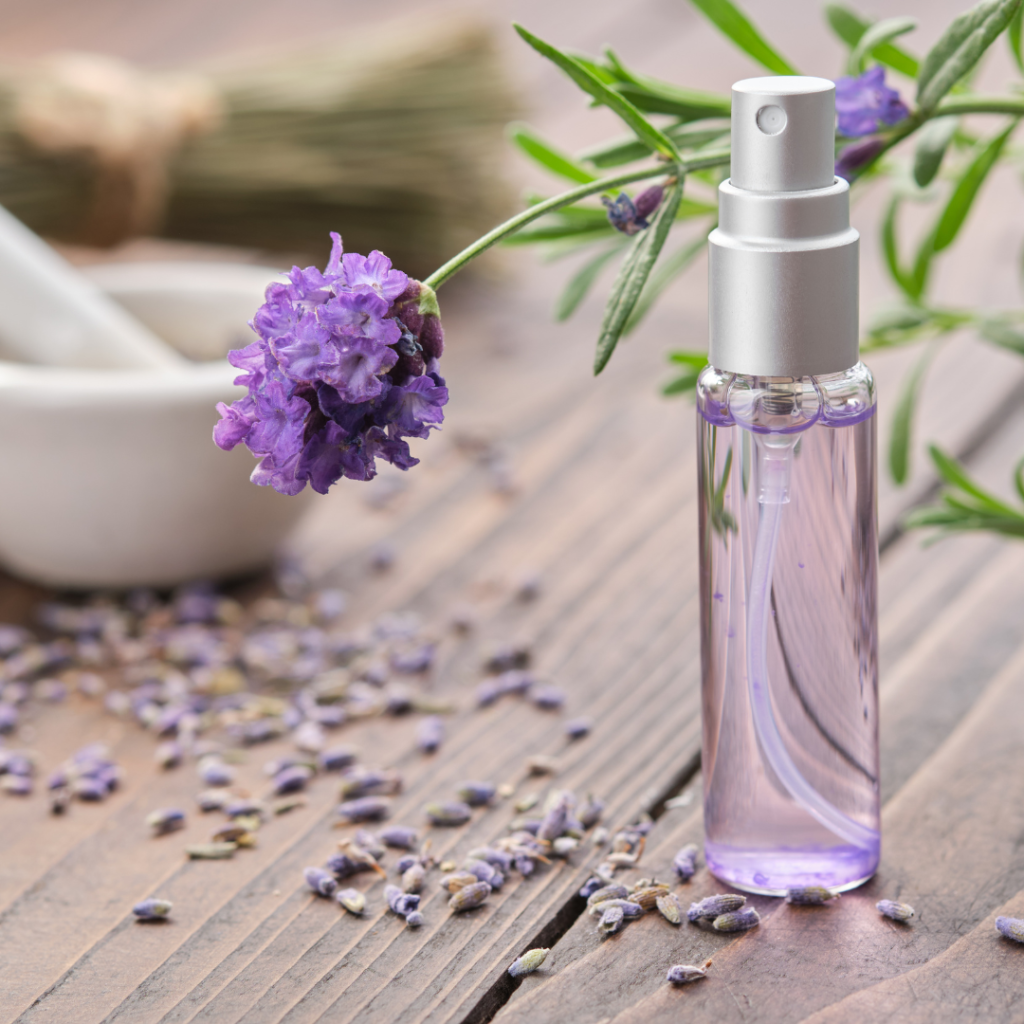
A scientific experiment discovered that a blend of clove, geranium, lemongrass, and rosemary repels wasps. Mixing these oils together may completely prevent wasp sightings near you. It’s also great for patios and decks. This essential oil solution may be used to ward off bees and wasps from nesting on the outside of your home’s corners.
What is the optimal number of times you should spray? It depends on how frequently you sense these pests. When you notice that your essential oil spray solution has worn off, it’s OK to use it again.
Humans can benefit from a tea tree oil treatment. It’s ideal to spray a tea tree oil solution on yourself or put it on your clothing before going outside if you want to work in your garden or go out. On their own, oils like peppermint, geranium, clove, lemongrass, and other strong-smelling varieties are highly effective repellents. Dabbing a cotton ball with these oils and leaving them by the windows is an excellent method to keep the buzzers at bay.
Rubbing these oils on the leaves of plants near to yours is an excellent way to repel bees and wasps. When clove, eucalyptus, or rosemary oil is applied to the plants around your home, it is supposed to deter bees and wasps.
Finally, diffusing these oils or a combination of them is also a highly effective approach to keep your house smelling and feeling fresh without attracting bees or wasps.
Frequently Asked Questions
Can essential oils help with bee and wasp stings?
Yes, certain essential oils can help with bee and wasp stings. Lavender oil, for instance, has been shown to alleviate the pain and inflammation caused by stings due to its natural anti-inflammatory and analgesic properties. After removing the stinger, apply a few drops of lavender oil diluted with a carrier oil directly to the sting area.
Which essential oils should not be used for bee and wasp stings?
While essential oils can be beneficial for treating stings, some oils should be avoided, particularly those with strong scents as they may attract more bees or wasps to the area. Also, individuals with sensitive skin should be cautious with undiluted essential oils as they may cause skin irritation.
Can these essential oils harm bees or wasps?
No, these essential oils are intended to repel, not harm, bees and wasps. Bees are essential pollinators and play a significant role in our ecosystem. It’s important to use these oils responsibly to discourage bees and wasps from nesting in unwanted areas, rather than trying to harm or kill them.
How often should I apply essential oils to repel bees and wasps?
The frequency of application depends on several factors, including the concentration of the oil, the size of the area you’re trying to protect, and the number of bees or wasps present. As a general rule, reapply the oils when their scent starts to fade, usually every few days.