
I sometimes use affiliate links in content. This doesn’t cost you anything but I may make a commission payment from anything you buy through these links. As an Amazon Associate I earn from qualifying purchases. All opinions remain my own.
Like humans, plants can benefit significantly from nature’s bountiful gift – essential oils. As plant enthusiasts or gardeners, our green companions’ health is paramount. This article dives into the fascinating world of essential oils and their positive impact on plant health.
We will explore what essential oils are, how they can benefit your plants, and discuss some of the most effective ones for plant care. Additionally, we will guide you on applying these oils and the precautions to take, aiming to equip you with knowledge for more vibrant and healthier plants.
Table of Contents
Why Plant Health Matters
Plant health is a significant consideration for several reasons. Healthy plants enhance our spaces’ aesthetic appeal and contribute to our well-being by purifying air and fostering a calming environment.
Moreover, in agricultural contexts, robust plant health is critical for ensuring food security and economic sustainability. Disease-resistant plants require fewer chemical interventions, promoting a healthier environment.
Ultimately, fostering plant health is an investment in our physical health, mental well-being, and the health of our planet.

Understanding Essential Oils
Essential oils are highly concentrated plant extracts obtained primarily through steam distillation or cold pressing. They capture the natural fragrance and beneficial properties of the plant from which they are derived, allowing us to tap into nature’s wisdom for various applications.
While commonly associated with aromatherapy and personal care, essential oils have a much broader range of uses. From enhancing well-being to promoting relaxation, boosting energy levels, and even adding flavor to foods, essential oils offer a world of possibilities. Notably, their antimicrobial and insect-repelling properties make them highly valuable in plant care, providing an organic solution to common gardening troubles.
Benefits of Essential Oils for Plants
Essential oils can serve as powerful allies in maintaining plant health. Their benefits range from repelling pests to promoting plant growth, all while keeping the environment chemical-free.
One of the primary benefits of essential oils is their ability to deter pests. Many essential oils, such as peppermint and eucalyptus, are known for their potent insect-repelling properties. When applied to plants, these oils create a natural barrier that deters pests such as aphids, whiteflies, and spider mites, reducing the need for synthetic pesticides.
Moreover, essential oils can boost plant growth and health. For instance, oils like lavender and chamomile are known for their calming properties in humans, but they can also beneficially affect plants. When applied in appropriate amounts, they can stimulate plant growth, improve resilience to environmental stressors, and enhance overall plant vitality.
Furthermore, certain essential oils possess antifungal properties, offering protection against various plant diseases. Clove and tea tree oils, for instance, effectively tackle fungal pathogens, thus helping keep your plants healthy and strong.
Apart from their direct benefits to plants, essential oils also contribute to a healthier gardening environment by reducing reliance on chemical pesticides and fungicides. This not only aids in sustaining the soil’s health but also makes your garden safer for beneficial insects and the broader ecosystem.
Top Essential Oils for Plants
Several essential oils can be beneficial to plants, but some stand out for their remarkable properties.
- Peppermint Oil: Renowned for its potent insect-repelling properties, peppermint oil serves as a natural deterrent against many common garden pests such as aphids and spider mites. When used regularly, it can help to maintain a pest-free garden environment.
- Eucalyptus Oil: Eucalyptus oil is another excellent choice for repelling bugs. It also promotes plant health by boosting their immune systems, thereby enhancing their ability to resist diseases.
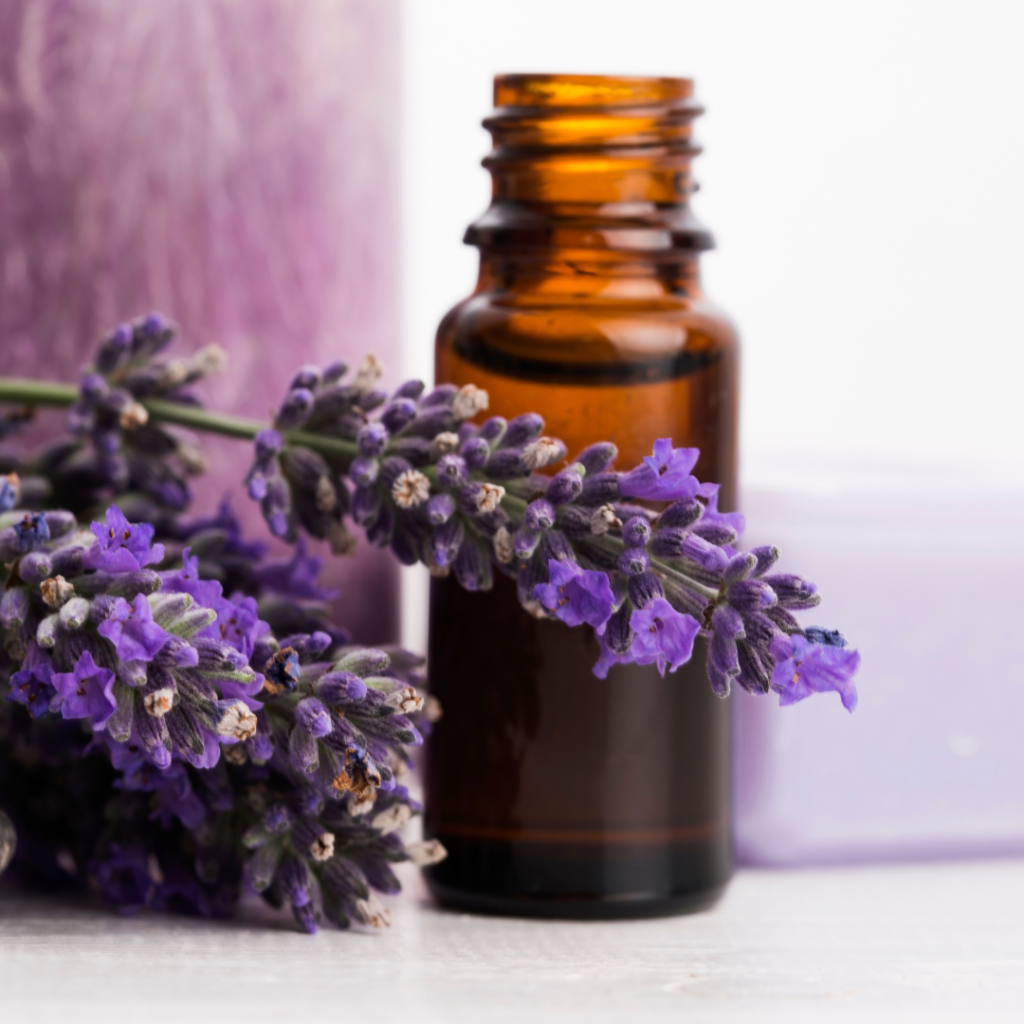
- Lavender Oil: Known for its calming properties, lavender oil can stimulate plant growth and improve their resilience to environmental stressors. It also has mild insect-repelling properties.
- Chamomile Oil: Similar to lavender, chamomile oil can promote plant growth while offering a soothing environment for the plants to thrive.
- Clove Oil: Clove oil is known for its strong antifungal properties. It’s an effective tool against various fungal pathogens, which aids in keeping your plants healthy and strong.
- Tea Tree Oil: Also known as melaleuca oil, tea tree oil has powerful antifungal properties that protect plants against fungal diseases.
Each of these oils has its unique strengths in promoting plant health. Using them in your gardening routine can lead to more vibrant, stronger, and healthier plants.
How to Apply Essential Oils to Plants
Applying essential oils to plants requires a careful approach to ensure optimal benefits while avoiding potential harm. Below is a step-by-step guide on how to do it correctly:
- Select the Right Essential Oil: Choose the essential oil based on the needs of your plants. If you’re dealing with pests, oils like peppermint and eucalyptus can be beneficial. For promoting growth or resilience, consider lavender or chamomile. Clove or tea tree oils can be suitable choices for combating fungal pathogens.
- Dilute the Essential Oil: Essential oils are highly concentrated and should always be diluted before applying them to your plants. Mix a few drops (usually 10-15) of the essential oil with a quart of water. If you’re using the oil for the first time on a specific type of plant, it’s advisable to start with a weaker solution and gradually increase the concentration if no adverse effects are observed.
- Apply the Solution: Use a spray bottle to apply the diluted essential oil solution to your plants. Spray evenly, ensuring that all parts of the plant are covered, including the undersides of leaves where pests often lurk.
- Monitor the Results: Observe your plants closely over the next few days to see how they react to the treatment. Look for signs of pest repulsion, improved vitality, or any adverse reactions. If you notice any negative effects, discontinue use or try a different oil.
- Repeat Regularly: Make essential oil applications part of your plant care routine for ongoing plant health. However, remember to keep the applications minimal—too much can be harmful to your plants.
Remember always to use 100% pure, therapeutic-grade essential oils for the best results. Synthetic or adulterated oils may contain harmful substances that can damage your plants or the soil. Also, keep in mind that while essential oils are a fantastic natural tool for plant care, they should be used as part of a broader, holistic approach to gardening that includes proper watering, sunlight, soil nutrition, and physical care.
Precautions When Using Essential Oils on Plants
While essential oils can offer a host of benefits for plants, it’s important to use them responsibly to ensure safety and avoid potential risks. Here are some key precautions to bear in mind:
- Always Dilute: Essential oils are potent and concentrated substances that can potentially harm your plants if used undiluted. Always mix a few drops of the oil with a significant quantity of water before applying. Over time, you can adjust the concentration based on your plants’ responses, but start small to prevent any potential damage.
- Patch Test: Before applying an essential oil to all your plants, it’s advisable to first perform a patch test on a small area or a single plant. This can help you identify any potential adverse reactions before widespread application.
- Avoid Overuse: More is not always better when it comes to essential oils. Excessive use can lead to toxicity and cause damage to your plants. Thus, keep your applications minimal and regular, not heavy and infrequent.
- Watch for Sunlight Sensitivity: Some essential oils can make plants more sensitive to sunlight, leading to sunburn. If you’re using such oils, consider applying them in the early morning or late evening when the sun is less intense.
- Choose Quality Oils: Not all essential oils are created equal. For the safety and health of your plants, always choose high-quality, 100% pure, therapeutic-grade oils. Avoid synthetic or adulterated oils, as they may contain harmful substances.
- Consider Beneficial Insects: While essential oils can deter pests, they may also repel beneficial insects that contribute to a healthy garden. Try to strike a balance, using oils sparingly and only as needed.
Remember these precautions to ensure that using essential oils in your garden is safe and beneficial. With the right approach, these natural tools can greatly contribute to the health and vitality of your plants.
Using Essential Oils on Plants
In conclusion, essential oils offer a natural and effective way to promote plant health and vitality. Oils like peppermint, eucalyptus, lavender, chamomile, clove, and tea tree each have unique properties that can help in pest repulsion, disease resistance, and plant growth stimulation.
However, using them requires a careful approach, including selecting the right oil for the issue at hand, always diluting the oils prior to application, monitoring the impact, and making their use a part of regular plant care.
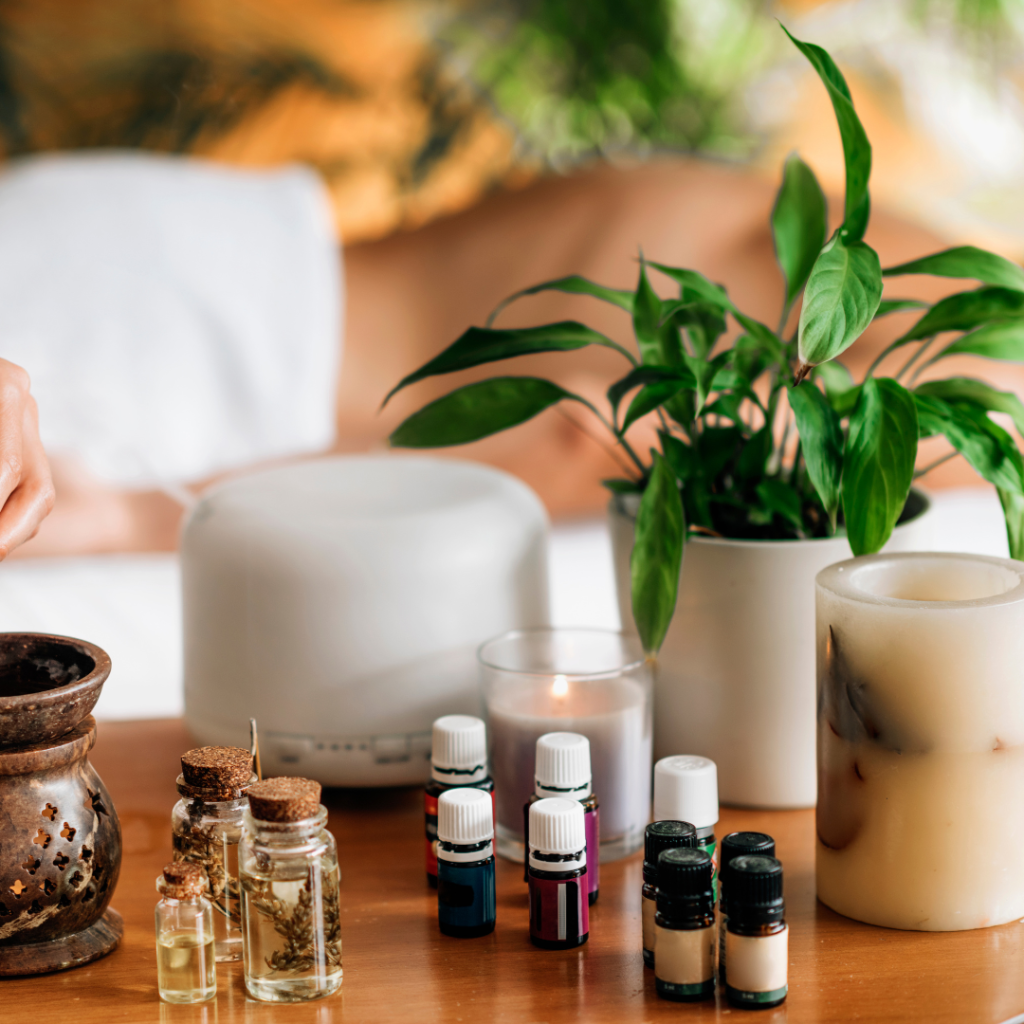
Gardeners can maximise the benefits and minimise potential risks by adhering to precautions such as conducting a patch test, avoiding overuse, considering sunlight sensitivity, and selecting high-quality oils. Used responsibly, essential oils can serve as a valuable tool in holistic plant care, leading to healthier, stronger plants and a more vibrant garden.





What essential oil are used for the dryer are they different from other essential oils because they are used with heat?
Dryer-safe essential oils aren’t different types—they’re the same essential oils you’d use for other purposes. But some handle heat better, meaning their scent lasts longer and remains noticeable even after drying.
Oils like **lavender**, **lemongrass**, **peppermint**, **geranium**, and **sweet orange** hold up well to heat and offer lasting fragrances. Conversely, delicate scents such as citrus oils (*lemon, lime, grapefruit*) might evaporate quickly, leaving less fragrance behind.
Make sure you’re using pure essential oils without additives. Fragrance oils or diluted blends aren’t ideal because their additives can leave residue or cause damage in your dryer.
Stick with pure, quality essential oils—and add them towards the end of drying—to maximize the scent on your clothes.