I sometimes use affiliate links in content. This doesn’t cost you anything but I may make a commission payment from anything you buy through these links. As an Amazon Associate I earn from qualifying purchases. All opinions remain my own.
Do you suffer from allergies? If so, you know how miserable they can make you feel. Sneezing, coughing, and itchy eyes are just a few of the symptoms that can plague allergy sufferers. Luckily, essential oils might be able to help! In this blog post, we will discuss the best essential oils for allergy relief and how to use them.
Table of Contents
What causes allergies?
We usually consider our body’s immune system to be its guardian against harmful intruders like bacteria and viruses. It turns out that it may also wage war on allergens.
Allergens are substances that our immune system mistakenly believes are harmful. When an allergen enters the body, the immune system produces antibodies to fight it. These antibodies attach themselves to mast cells, which are found in large numbers in the nose, lungs, and eyes.

When they come into contact with allergens, these mast cells release histamine and other chemicals, which cause allergy symptoms.
What essential oils are good for allergies and why?
Fortunately, there are several natural home treatments that are not only highly successful and powerful enough to quickly cure your allergy symptoms, but also strengthen your immune function.
Essential oils can:
- Aassist in the reduction of inflammation, which is the underlying cause of most allergies.
- Help you relax, calm your allergy symptoms rapidly.
- When your immune system is weakened, it’s more prone to overreact to harmless intruders. Some oils can help boost the immune system and offset this.
- Allergens are kept out of your body and home by their antibacterial, anti-fungal, anti-microbial effectiveness.
Blend two or three oils to increase the advantages in the battle against your allergies, depending on the season or symptoms you are experiencing.
For example, while eucalyptus, peppermint, frankincense, and lemon are the best essential oils for seasonal allergies, if you’re having trouble sleeping, consider including lavender in the mix. Lavender, tea tree, and chamomile are your best choices if you’re treating a skin allergy.
Lavender essential oil
- How it helps: Antihistamine, anti-inflammatory, antimicrobial, sedative
- Best for: Hay fever, mucus, asthma, headache, skin allergies, hives, itchy eyes, eczema, psoriasis, dog and cat dander, sleep
Lavender is one of the most popular multi-purpose essential oils, with potent medicinal chemicals that help to prevent histamine production and effectively treat allergies such as a runny nose, itchy eyes, rashes, and other related symptoms.
Lavender is a naturally anti-inflammatory agent that also helps to relieve any inflammation, redness, and discomfort caused by allergy symptoms such as hay fever and asthma.

How to use lavender oil for allergies
Tuck a lavender sachet under your pillow for a peaceful and restful sleep all night.
Inhale: Rub 1 to 2 drops of lavender essential oil between your palms. To assist with hay fever and asthma, cup your hands over your nose and take 4-6 deep and slow breaths. Alternatively, diffuse for approximately 15 minutes every hour to allow lavender’s powerful medicinal components to flow freely through your body and relieve allergy symptoms naturally.
Mix a few drops of lavender oil with jojoba oil and apply it to your skin that has eczema or hives. Apply a skin-calming body lotion infused with pure lavender essential oil to provide long-term comfort. A cold compress is the ideal method to relieve swelling and redness from a rash or hives.
Bath: Make an all-over soothing anti-itch solution with genuine lavender bath salts.
Peppermint essential oil
- How it helps: Anti-inflammatory, decongestant, antimicrobial, immunostimulant, analgesic
- Best For: Hay fever, sinusitis, sinus headaches, stuffy nose, coughs, itching, red bumps
Peppermint oil is one of the most effective in class when it comes to clearing up your sinuses fast, thanks to its high menthol content and distinct, fresh minty scent. It’s not an antihistamine like other oils, yet it’s very successful at opening up your airways and alleviating a scratchy throat that causes coughing.
It’s also a great therapy for migraines brought on by an accumulation of mucus in the head. It works equally as well for sinus headaches caused by increased pressure in the middle ear. As an added benefit, it provides much-needed comfort for allergy and insect bite itching since it is so cooling, reduces swelling, and relieves any pain.

How to use peppermint oil for allergies
Massage the chest with peppermint, eucalyptus lavender, and jojoba or sweet almond oil to help clear clogged sinuses and a cough. Apply to the temples and back of the neck to relieve a headache.
Use both peppermint and lemon oils for relief from both allergy symptoms and sinus headaches.
Itching Relief: Apply a combination of 2 drops peppermint oil and 1 teaspoon carrier oil directly to the allergy rashes or stings for fast relief.
Lemon essential oil
- How it helps: Antihistamine, anti-inflammatory, decongestant, antibacterial
- Best for: Hay fever, asthma, sinusitis, post nasal drip, cough, home disinfectant, mold, dust mites, pet dander
This golden fresh oil, which is rich in antioxidants and anti-inflammatory compounds, has been demonstrated to help with not just seasonal allergies like hay fever, but also asthma attacks and postnasal drip. It relieves inflammation and mucus accumulation, which can cause coughing and sinusitis.
Lemon essential oil is perhaps most well-known for its antibacterial and disinfectant qualities, which make it ideal for treating allergens in your environment, including dust mites and pet dander. Lemon oil has been shown to destroy germs and remove all allergy triggers from surfaces and the air.

How to use lemon essential oil for allergies
Disinfectant: Remove all allergy triggers, including dust, pollen, mold, mites, and dog or cat dander. 20 drops of lemon oil and 20 drops of tea tree oil are combined in a 16-ounce container with distilled water and a little white vinegar to create 40 droplets. Spray everywhere where allergens may hide – the air, countertops and other hard surfaces, soft surfaces like furniture or beds.
Diffuse: To distribute the invigorating scent of peppermint, lavender, and lemon essential oils throughout your house, combine three drops each of each oil.
Eucalyptus essential oil
- How it helps: Antihistamine, anti-inflammatory, antimicrobial, immunostimulant, analgesic, decongestant
- Best For: Hay fever, sinusitis, asthma, bronchitis, stuffy nose, cough, mold, dust mites, itch bug bites
Have you ever utilized Vicks VapoRub to relieve a nasty cold or cough? Then you’ve already experienced the powerful efficacy of eucalyptus essential oil , which is well recognized as a natural home remedy for a variety of respiratory issues, including stuffy nose unclogging mucus and phlegm and clearing out your sinuses – letting you breathe better.
It’s one of the greatest essential oils not just for seasonal allergies, but also for bronchitis, cough, and asthma attacks caused by allergens like pollen and dust. It’s a natural antihistamine, analgesic, and anti-inflammatory.
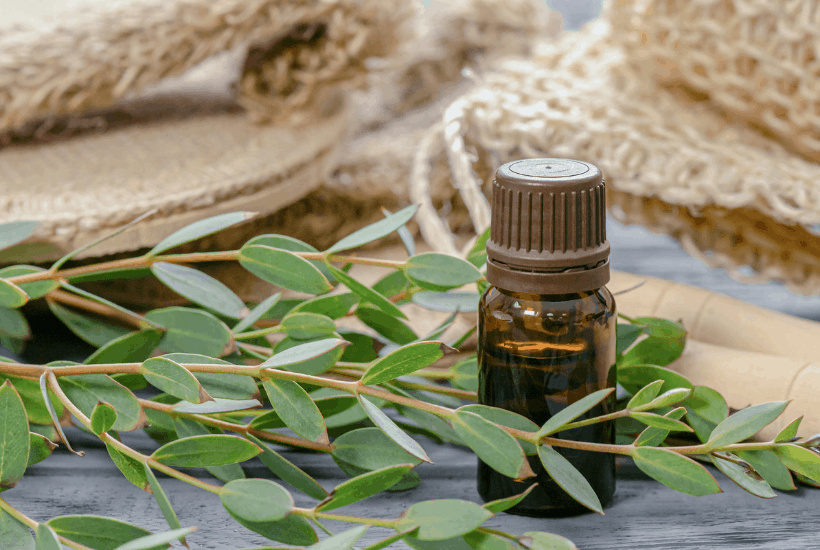
How to use eucalyptus oil for allergies
Heat a eucalyptus heat wrap neck pillow in the microwave and apply it to your chest and neck topically. Alternatively, combine a few drops of eucalyptus with a carrier oil and apply to the skin to relieve any itching.
Inhale: Add a few drops of eucalyptus essential oil to a steaming bowl of water, then cover your head with a towel and breathe in the steam. Alternatively, add eucalyptus bath salts to a tub of hot water.
To reduce sinus swelling and discomfort, apply a warm compress to the nose and forehead. A eucalyptus eye pillow may be warmed in the microwave for 10-15 minutes to make a soothing compress.
Tea tree essential oil
- How it helps: Anti-inflammatory, antihistamine, antimicrobial, immunostimulant, decongestant, antiseptic
- Best for: Home allergens, skin allergies, runny nose, hives, bug bites, itchy skin, eczema, psoriasis, mold
Tea tree oil is an excellent way to treat allergies since it destroys all of the airborne allergy triggers in your home, such as germs, viruses, and fungus like mold. Furthermore, tea tree oil’s anti-inflammatory qualities aid in the reduction of sinus edema; this gives you welcome respite from a stuffy or runny nose.
Tea tree oil has been found in studies to reduce histamine-induced skin inflammation more than the effect of prescription creams. It can be used to treat insect stings, papules, rashes, hives, and eczemas by reducing itching, minimize redness, and soothe

How to Use Tea Tree Oil for Allergies
Diffusion: Diffusing tea tree oil throughout your house will eliminate airborne germs and mold.
Tea tree oil can be applied topically to relieve eczema, hives, and other types of skin rashes. 2-3 drops of tea tree oil may be added to a cotton ball and used to apply to the afflicted region. Do a spot test first.
A cold compress: Make a tea tree oil solution by dissolving a few drops of tea tree oil in a bowl of cold water. Apply the chilled wash cloth to the skin for ten to fifteen minutes to reduce swelling and redness. Repeat every few hours as needed.
Bath: Combine anti-itch natural treatments like colloidal oatmeal and a few drops of tea tree oil and lavender oil for a soothing bath.
Frankincense essential oil
- How it helps: Anti-inflammatory, antimicrobial, immunostimulant, disinfectant, sedative
- Best for: Hay fever, bronchitis, asthma, sinusitis, runny nose, sleep, pet dander, dust mites home disinfectant
Frankincense oil is a potent anti-inflammatory. When it comes to treating allergies, frankincense oil is one of those wonderful multipurpose essential oils. It has been proven to aid in the relief of bronchitis, sinusitis, and even asthma symptoms. It also helps the immune system function properly by stimulating it.
If you thought a good night’s sleep was only a distant fantasy throughout allergy season, think again. People slept better, had more energy, and felt happier after taking an anti-allergy blend of frankincense, sandalwood, and Ravensara oils, according to a landmark study.
Frankincense oil, as an air or surface disinfectant, can also aid in the removal of allergens like cat dander and dust mites.

How to Use Frankincense Oil for Allergies
Diffuse a combination of three drops frankincense, two drops sandalwood, and one drop ravensara oils for 30 minutes before retiring.
Disinfectant: Simply combine a few drops of frankincense oil in a spray bottle with water to make an all-purpose cleaner that smells fantastic.
Roman chamomile essential oil
- How it helps: Anti-inflammatory, antihistamine, antimicrobial, decongestant, sedative
- Best for: Hay fever, sinusitis, blocked nose, skin allergies, hives, red bumps, eczema
Roman chamomile essential oil is another powerful anti-inflammatory and antihistamine that may be used to soothe inflamed sinuses and help clear up all of the mucus, a blocked nose, and sneezing.
A research found that combining chamomile, lemongrass, and sandalwood oils can reduce histamine activity by almost 50%.
Chamomile has also been found to provide fast relief for a variety of skin allergies, including itching due to eczema, hives, or other allergic rashes.
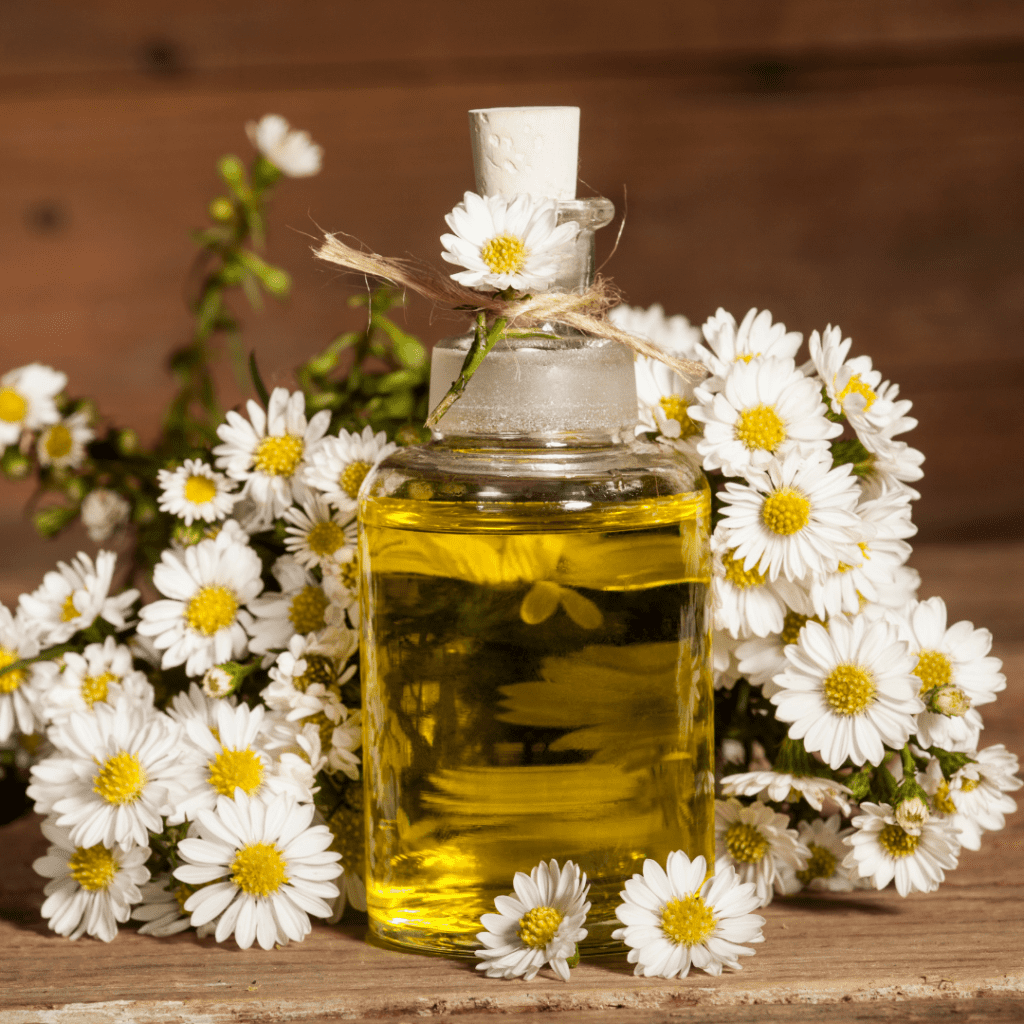
How to Use Roman Chamomile Oil for Allergies
Diffuse a few droplets of Roman chamomile, eucalyptus, lemon or lavender essential oils to provide immediate and long-lasting comfort from the sniffles and sneezing.
Add one teaspoon of jojoba oil and one drop of Roman chamomile essential oil to one teaspoon of jojoba oil. Dot the solution around the eyes (not too close), across the nose, and on the cheeks.
Eczema and Skin Allergies: Blend a few drops of Roman chamomile essential oil with one teaspoon of carrier oil and apply it directly to the skin using a cotton ball.