
I sometimes use affiliate links in content. This doesn’t cost you anything but I may make a commission payment from anything you buy through these links. As an Amazon Associate I earn from qualifying purchases. All opinions remain my own.
There’s something almost magical about walking into a home that smells like Christmas. That warm, spicy sweetness of cinnamon and orange, the crisp forest notes of fresh pine, or the cozy comfort of vanilla and baking spices—these aromas don’t just fill a room, they transport us. For many people, the scent of Christmas triggers some of our most treasured memories: decorating the tree as a family, holiday baking sessions with loved ones, or simply those quiet winter evenings wrapped in blankets with a mug of something warm.
Creating these nostalgic scents in your home is surprisingly simple, and you don’t need to be an aromatherapy expert to do it well. Whether you prefer the convenience of an essential oil diffuser, the visual charm of a stovetop simmer pot, or the rustic appeal of natural decor that doubles as fragrance, there are countless ways to fill your space with the spirit of the season. This guide will walk you through everything you need to know about Christmas scent blends, from classic combinations to creative variations, plus the essential safety information that every responsible essential oil user should know.
The beauty of creating your own Christmas scents is that you have complete control over the intensity, the specific notes you emphasize, and which methods work best for your living situation. You might discover that you prefer a stronger cinnamon kick than store-bought holiday candles provide, or that you love adding unexpected twists like cardamom or ginger to traditional blends. Let’s explore how to craft these festive fragrances in ways that are both effective and safe for your household.
Table of Contents
Understanding Christmas Scent Profiles
The scents we associate with Christmas aren’t random—they’re deeply rooted in both cultural tradition and sensory memory. These fragrances tend to fall into three main categories, each creating a distinct atmosphere in your home.
Citrus and Spice Combinations
The pairing of bright citrus with warm spices is perhaps the most recognizable Christmas scent profile. This combination works beautifully because citrus provides an uplifting brightness that prevents spice notes from becoming too heavy or overwhelming.
Key oils in this category:
- Orange essential oil brings sweetness and cheer
- Cinnamon adds warmth and depth
- Clove essential oil introduces that distinctive holiday punch
- Bergamot adds a sophisticated, less candy-sweet element

These blends naturally remind us of mulled cider, holiday baking, and those pomander balls we made in elementary school. The citrus oils add a fresh element that keeps the blend from feeling too stuffy or cloying, while the spices ground the scent and give it that unmistakable warmth we associate with cold weather comfort.
Evergreen and Forest Notes
Nothing says “Christmas tree” quite like the crisp, resinous scent of fresh pine or fir. These evergreen notes bring the outdoors in, creating that classic “Christmas tree farm” atmosphere without the needles or watering responsibilities.
Essential oils for forest blends:
- Pine and fir needle oils capture that classic Christmas tree scent
- Cedarwood adds depth and woody sweetness
- Eucalyptus essential oil brings cool, clean freshness
- Rosemary essential oil adds herbaceous complexity
- A touch of lemon essential oil or orange brightens the blend

These combinations work wonderfully if you want your home to smell like a winter forest or a cozy cabin in the woods. The evergreen oils are grounding and calming without being sedating, making them perfect for both daytime and evening use.
Sweet and Comforting Bakery Scents
For those who love the smell of holiday baking, vanilla-based blends create that irresistible “cookies in the oven” atmosphere. While true vanilla essential oil is quite rare and expensive, you can create similar effects with warming spices.
Building bakery-inspired blends:
- Cinnamon and nutmeg provide the warm spice foundation
- Ginger essential oil adds a subtle, sweet heat
- Cardamom brings complexity and sweetness
- Sweet orange softens and rounds out the blend
- Vanilla extract or vanilla oleoresin adds authentic bakery notes (when available)

These sweet, comforting blends are perfect for creating that “someone’s been baking all day” impression, even if your oven hasn’t been turned on. Many people love these scents for Christmas morning or when hosting holiday gatherings, as they create an immediate sense of warmth and hospitality.
Essential Oil Diffuser Blends for Christmas
Essential oil diffusers offer one of the easiest and most controlled ways to scent your home for the holidays. They’re convenient, relatively mess-free, and allow you to adjust the intensity by adding more or fewer drops. The key to successful diffuser blends is understanding ratios and being willing to experiment to find what works best for your nose and your space.
Christmas Diffuser Blends at a Glance
| Blend Name | Essential Oils | Drops (per 100ml) | Best For |
|---|---|---|---|
| Classic Orange Spice | Sweet Orange Cinnamon Bark/Leaf Clove |
4 drops 2 drops 1-2 drops |
Mulled cider atmosphere, holiday gatherings, traditional Christmas scent |
| Christmas Tree Farm | Pine or Fir Needle Cedarwood Orange |
5 drops 2 drops 1 drop |
Evening relaxation, fresh evergreen scent, calming atmosphere |
| Sugar Cookie Christmas | Sweet Orange Cinnamon Ginger Vanilla (optional) |
3 drops 2 drops 1 drop ½ drop |
Christmas morning, cozy comfort, “baking cookies” atmosphere |
| Candy Cane Evening | Peppermint Vanilla or Orange Cinnamon |
3 drops 2 drops 1 drop |
Evening freshness, mental clarity, unique holiday twist |
Classic Orange Spice Blend
This timeless combination captures the essence of mulled cider and holiday gatherings. For a standard 100ml diffuser:
Basic recipe:
- 4 drops sweet orange essential oil
- 2 drops cinnamon bark or cinnamon leaf essential oil
- 1-2 drops clove essential oil
The orange provides the bright, cheerful foundation, while cinnamon brings warmth without being overwhelming. Clove adds just enough spicy punch to make the blend interesting and complex. If you find this blend too spicy, reduce the cinnamon and clove to just 1 drop each. Some people prefer to swap in bergamot essential oil instead of orange for a slightly more sophisticated, less candy-sweet result.
You can also add a single drop of vanilla oleoresin if you have it, which rounds out the blend beautifully. Remember that with hot spice oils like cinnamon and clove, a little goes a long way—you can always add more, but you can’t take it back once it’s in the diffuser.
Christmas Tree Farm Blend
For that freshly-cut evergreen experience:
Forest fresh recipe:
- 5 drops pine or fir needle essential oil
- 2 drops cedarwood essential oil
- 1 drop orange essential oil
The pine or fir creates that classic Christmas tree scent, the cedarwood adds depth and a slightly woody sweetness, and the tiny amount of orange brightens the whole blend without making it smell citrusy. This combination is particularly wonderful in the evening, as it’s grounding and calming without being sedating.
Optional additions:
- 1 drop rosemary essential oil for herbaceous interest
- 1 drop eucalyptus for a cooler, more refreshing forest atmosphere
This blend tends to be less divisive than heavy spice blends, making it a good choice when you have guests with varying scent preferences.
Sugar Cookie Christmas Blend
Creating that “cookies baking” atmosphere with essential oils requires a bit more creativity since we can’t easily diffuse pure vanilla.
Bakery-inspired recipe:
- 3 drops sweet orange essential oil
- 2 drops cinnamon bark (or cinnamon leaf for a softer approach)
- 1 drop ginger essential oil
- Optional: half a drop vanilla oleoresin or CO2 extract if available
The combination of orange and warm spices mimics that sweet, comforting bakery scent remarkably well. If you can source vanilla oleoresin or vanilla CO2 extract, adding just a tiny amount transforms this blend into something truly special. Another option is to add a drop of cardamom essential oil, which brings a sweet, slightly spicy note that many people associate with holiday baking.
This blend is perfect for Christmas morning or anytime you want your home to feel extra cozy and welcoming.
Candy Cane Evening Blend
For something a bit different, try combining peppermint with warmer notes:
Mint and spice recipe:
- 3 drops peppermint essential oil
- 2 drops vanilla (if available) or sweet orange as a substitute
- 1 drop cinnamon essential oil
The peppermint brings that instantly recognizable candy cane freshness, while the warmer notes keep it from being too sharp or medicinal. This blend works particularly well in the evening because peppermint, while energizing, also has a clarity and openness to it that many people find mentally refreshing after a busy day. The combination of cool mint and warm spice creates an interesting sensory experience that guests often comment on.
Just be mindful that peppermint oil should be used carefully around young children and pets, as it can be irritating to sensitive systems.
Adjusting Blends for Your Space
The general guideline of 6-8 total drops per 100ml of diffuser water is just a starting point. Here’s how to adjust:
Factors that require more oil:
- Larger rooms or higher ceilings
- Spaces with lots of air circulation
- Open floor plans with multiple connected areas
- Very dry environments
Factors that require less oil:
- Small, enclosed rooms
- Good insulation and minimal air movement
- Extended diffusing sessions (more than an hour)
- Scent-sensitive household members
Start at the lower end—maybe 5-6 drops total—and see how the scent develops over 15-20 minutes. You can always add a drop or two more if needed. Pay attention to how people react, too. If family members or guests are finding the scent too strong, reduce the amount next time rather than assuming they simply don’t like that particular blend.
Stovetop Simmer Pots: Natural Christmas Fragrance
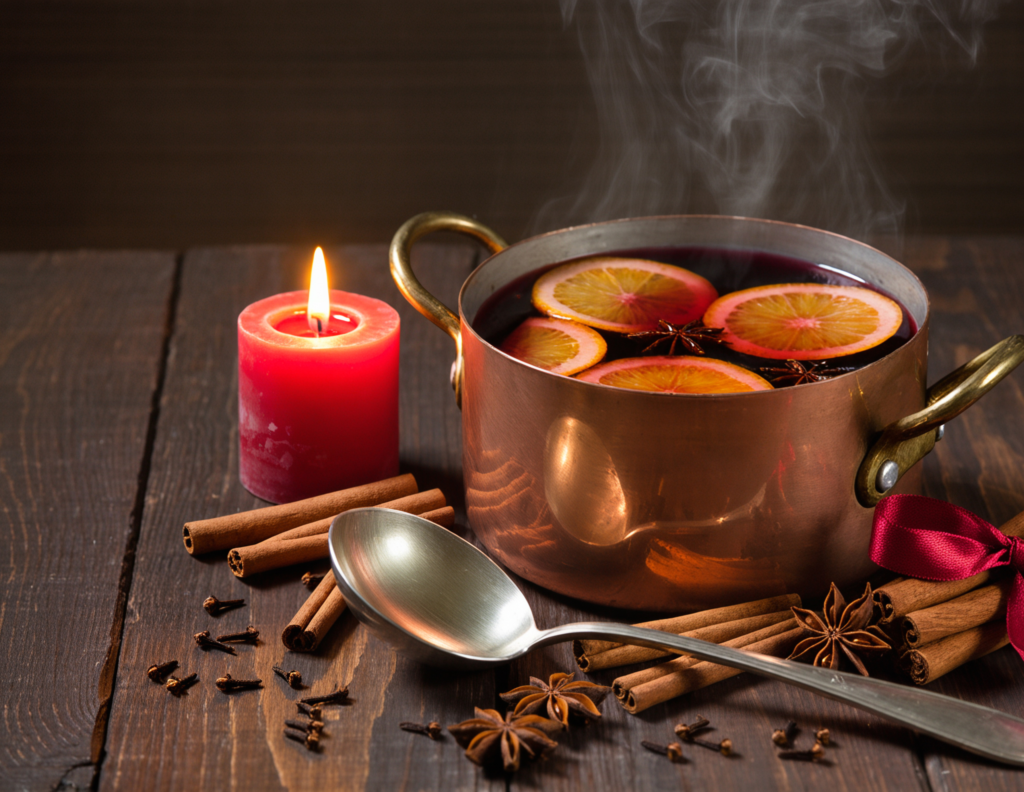
Simmer pots offer a more rustic, visually appealing alternative to essential oil diffusers. These aromatic water baths bubble away on your stovetop or in a small slow cooker, releasing fragrance through steam. They’re perfect for people who love the look of natural ingredients and want a scenting method that doubles as kitchen decor.
Building a Classic Christmas Simmer Pot
The beauty of simmer pots is that you can use actual fruits, herbs, and spices rather than just extracted oils.
Basic simmer pot ingredients:
- 1 orange, sliced into rounds
- 3-4 cinnamon sticks
- 1 tablespoon whole cloves
- 2-3 sprigs fresh rosemary or pine (optional)
- Water to fill pot 2/3 full
Instructions:
- Add all ingredients to a medium saucepan
- Fill the pot about two-thirds full with water
- Bring to a gentle boil, then reduce to low simmer
- Check water level every hour and top off as needed
- Never allow the pot to boil dry
A properly maintained simmer pot can fragrance your home for hours, and the visual of orange slices and cinnamon sticks bobbing in steaming water adds to the festive atmosphere. The key is keeping the water at a gentle simmer—just small bubbles breaking the surface—rather than a rolling boil.
Cranberry Citrus Winter Blend
For something a bit more elaborate and visually stunning:
Ingredients for cranberry blend:
- 1 cup fresh or frozen cranberries
- 1 orange, sliced
- 3-4 cinnamon sticks
- 1 tablespoon whole cloves
- 1 teaspoon vanilla extract (not essential oil)
- 2-3 bay leaves (optional)
- Water to fill
This combination not only smells wonderful but looks absolutely gorgeous with the ruby red cranberries floating among orange slices. It’s particularly impressive if you’re hosting holiday gatherings, as the simmering pot becomes a natural conversation starter. The cranberries add a subtle tartness to the overall scent profile that keeps it from being too sweet or cloying.
Evergreen Cabin Blend
If you prefer forest notes to fruity spices, create a woodsy simmer pot:
Forest-inspired ingredients:
- Fresh pine, fir, or cedar clippings (from your Christmas tree or yard)
- 3-4 sprigs fresh rosemary
- Handful of juniper berries (if available)
- Peel from 1 orange
- 1-2 cinnamon sticks (optional, for warmth)
- Water to fill
This blend creates that wonderful “cabin in the woods” atmosphere without any synthetic fragrance. The fresh evergreen clippings release their essential oils into the steaming water, filling your home with genuine forest scent. Just make sure any plant material you use is pesticide-free and safe for indoor use.
Simmer Pot Safety Essentials
Simmer pots require more attention than diffusers, so follow these safety guidelines:
Critical safety rules:
- Never leave a stovetop simmer pot unattended, even for a few minutes
- Set a timer to remind yourself to check water level every 45-60 minutes
- Never allow the pot to boil dry—this creates fire hazards and burning smells
- Use a small slow cooker on low setting if you want less hands-on monitoring
- Discard contents after each use rather than trying to reuse them
- Keep the pot on a back burner with the handle turned inward
- Place the pot well out of reach of children and pets
The most important safety rule for simmer pots is constant supervision. A pot left unattended can boil dry in as little as 30-60 minutes, creating a serious fire hazard. Plant material that’s been simmered for hours begins to break down and can develop mold or bacteria if left sitting, especially in the moist environment of your kitchen.
Decorative Scenting: Natural Elements That Double as Fragrance
Sometimes the most effective Christmas scenting comes from natural materials that are already part of your holiday decorations. These methods require no diffuser, no stovetop attention, and create subtle, long-lasting fragrance throughout your home.
Fresh Evergreen Garlands and Wreaths
Real pine, fir, or cedar garlands and wreaths naturally release their essential oils, especially in the first few weeks after being cut.
Maximizing natural evergreen scent:
- Position garlands near heat sources (doorways, mantels, above heating vents)
- Avoid placing too close to fireplaces or very hot surfaces
- Lightly mist with water from a spray bottle to release more oils
- Add a few drops of pine or fir essential oil to the spray bottle for extra intensity
- Tuck small sprigs of rosemary or eucalyptus into garlands for additional layers
The slight warmth from strategic placement encourages the volatile compounds in the evergreen needles to evaporate into your air. Fresh evergreen decorations provide weeks of natural fragrance that becomes part of your overall Christmas atmosphere without requiring any active scenting effort.
Dried Orange Slice Decorations
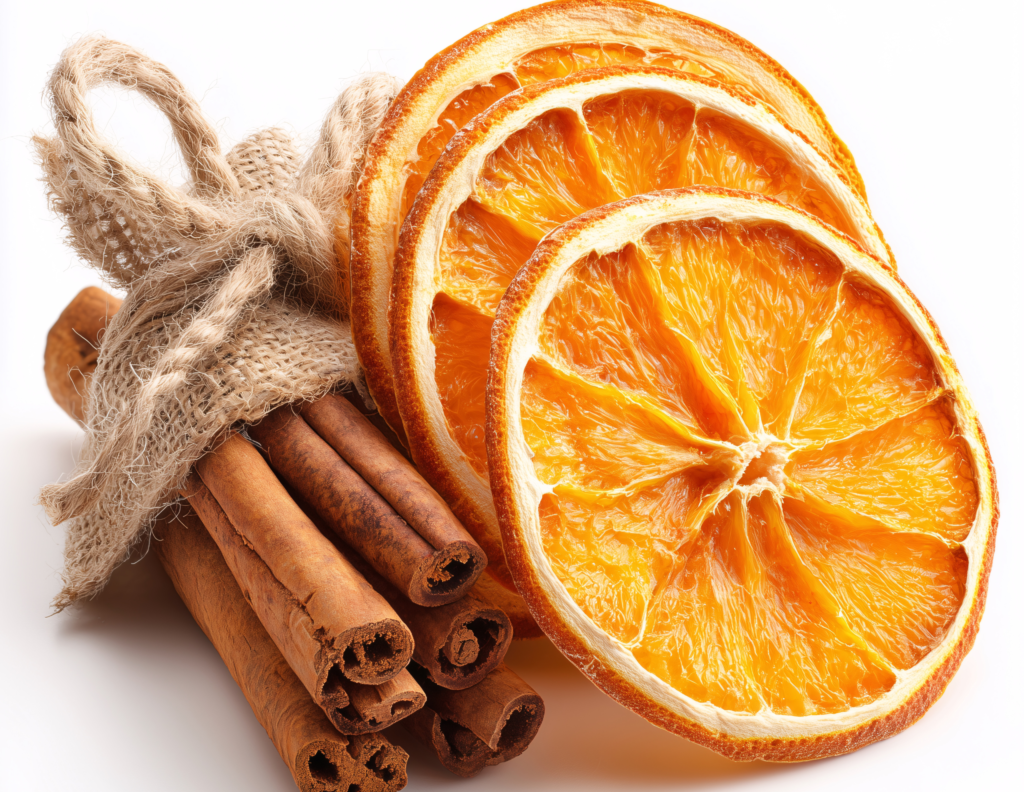
Dried orange slices aren’t just beautiful ornaments—they also release a subtle, sweet citrus fragrance that can last for weeks.
Making scented dried oranges:
- Slice oranges into thin rounds (about 1/4 inch thick)
- Arrange on baking sheets lined with parchment paper
- Dry in a 200°F oven for 2-3 hours, flipping once halfway through
- Allow to cool completely
- Optional: lightly brush with water mixed with 1-2 drops orange essential oil for extra scent
Display ideas:
- String into garlands for mantels or doorways
- Add to wreaths for pops of color and scent
- Fill decorative bowls with dried slices, cinnamon sticks, and whole cloves
- Use as natural potpourri throughout your home
- Hang as ornaments on your Christmas tree
For extra fragrance and a beautiful glossy appearance, you can lightly brush the dried slices with a mixture of water and a drop or two of orange essential oil before displaying them.
Scented Potpourri and Spice Displays
Create your own custom potpourri that looks beautiful and smells even better.
Natural potpourri ingredients:
- Dried orange peel or whole dried orange slices
- Cinnamon sticks (whole and broken)
- Whole cloves
- Star anise
- Dried cranberries
- Pinecones
- Bay leaves
- Nutmeg (whole or pieces)
Assembly and display:
- Combine desired dried materials in a large bowl
- Add 10-15 drops of your favorite Christmas essential oil blend
- Stir gently to distribute the oils throughout
- Transfer to wooden bowls or glass containers for display
- Refresh with additional essential oil drops every 1-2 weeks as scent fades
Pinecones make particularly excellent scent carriers. Collect them from your yard or purchase from craft stores, then place in a paper bag with 10-15 drops of pine, cinnamon, or orange essential oil. Shake gently, seal the bag, and let the pinecones absorb the scent for 24-48 hours before displaying them in baskets or on mantels. They’ll release fragrance for several weeks, and you can refresh them with more oil as needed.
Safety First: Essential Considerations for Christmas Scenting
The enthusiasm around Christmas scents sometimes overshadows important safety information, particularly regarding pets, children, and proper essential oil use. Responsible aromatherapy means understanding both the benefits and the potential risks of what we’re diffusing and displaying in our homes.
Essential Oils and Pet Safety
Many popular Christmas essential oils can be problematic for pets, particularly cats, who lack certain liver enzymes that help metabolize aromatic compounds.
Oils that require extra caution around pets:
- Pine, fir, and other evergreen oils
- Tea tree oil
- Cinnamon (both bark and leaf)
- Citrus oils (orange, lemon, lime)
- Clove
- Peppermint and other mints
- Eucalyptus
This doesn’t mean you can’t use essential oils in a home with pets, but it does require thoughtful application:
Pet-safe diffusing practices:
- Avoid diffusing in small, enclosed spaces where pets can’t leave
- Don’t use heavy concentrations that fill every room
- Never apply essential oils directly to pet fur or bedding
- Keep all bottles securely stored where curious paws can’t knock them over
- Provide pets with access to fresh air and escape routes
- Watch for signs of distress: sneezing, watery eyes, excessive grooming, vomiting, or lethargy
If you’re concerned about a specific oil and your particular pet, consult with a veterinarian who has aromatherapy training before use. Many pet owners find that passive scenting methods—like dried orange slices and cinnamon stick displays—work better in households with sensitive animals than active diffusion.
Safe Practices Around Children
Young children and babies have developing respiratory systems that can be more sensitive to concentrated aromatic compounds.
Guidelines for using essential oils around children:
- The National Association for Holistic Aromatherapy recommends avoiding essential oil diffusion around babies under three months old
- Use very diluted amounts for older infants and toddlers
- Run diffusers for shorter periods (30 minutes rather than hours)
- Ensure good ventilation in rooms where children spend time
- Never apply undiluted essential oils to children’s skin
- Keep all bottles stored well out of reach—ingestion can be dangerous
- Use child-resistant caps on all essential oil bottles
Special considerations for simmer pots:
- Present obvious burn risks for curious toddlers
- Use back burners with handles turned inward
- Consider using slow cookers instead of stovetop pots
- Never leave simmer pots unattended when children are present
- Keep pots elevated and well out of reach
If any child accidentally ingests essential oils or shows signs of distress from inhalation, contact poison control immediately or seek emergency medical care.
Proper Diffuser Usage and Room Ventilation
Using an essential oil diffuser properly means more than just filling it with water and oil.
Best practices for diffuser use:
- Diffuse in well-ventilated spaces rather than tiny, closed rooms
- Run diffusers intermittently: 30-60 minutes on, then a break
- This prevents nose desensitization and is gentler on respiratory systems
- Clean your diffuser regularly according to manufacturer instructions
- Typically every 3-5 uses or at least weekly
- Use white vinegar and water for cleaning cycles
- Don’t let old oil residue accumulate—it can smell bad and harbor bacteria
Special considerations for respiratory sensitivities:
- Start with very small amounts if anyone has asthma or allergies
- Strong oils like eucalyptus or peppermint can trigger respiratory irritation
- Monitor reactions carefully and discontinue use if problems arise
- Some people find passive scenting (potpourri, dried oranges) works better than active diffusion
Fire Safety for Candles and Heat Sources
While this article focuses on non-candle scenting methods, many people do use candles during the holidays.
Important fire safety reminders:
- December has the highest rate of home candle fires according to the National Fire Protection Association
- Place candles on stable, heat-resistant surfaces away from flammable materials
- Keep away from curtains, garlands, wrapping paper, and decorations
- Never leave candles burning unattended or when children/pets are unsupervised
- Always extinguish before going to bed or leaving the house
- Consider battery-operated flameless candles as a safer alternative
Heat source cautions:
- Don’t place dried decorations (orange slices, paper ornaments) too close to heat sources
- A bit of warmth helps release fragrance, but direct contact creates fire hazards
- Keep evergreen garlands away from candles, fireplaces, and very hot surfaces
- Ensure simmer pots are never left unattended on the stove
Skin Contact and Allergic Reactions
Essential oils should always be diluted in a carrier oil before applying to skin.
Safe topical use guidelines:
- Never apply undiluted essential oils directly to skin
- Use proper dilution ratios: typically 2-3% for adults (12-15 drops per ounce of carrier)
- Cinnamon bark and clove oils are notorious for causing irritation even when diluted
- Always do a patch test first on a small area and wait 24 hours
- For Christmas scenting, you’re typically using oils aromatically, not topically
If accidental skin contact occurs:
- Dilute the area with carrier oil (not water, which can spread the oil)
- Wash gently with soap and water
- Seek medical attention if irritation persists or is severe
Proper Storage and Shelf Life
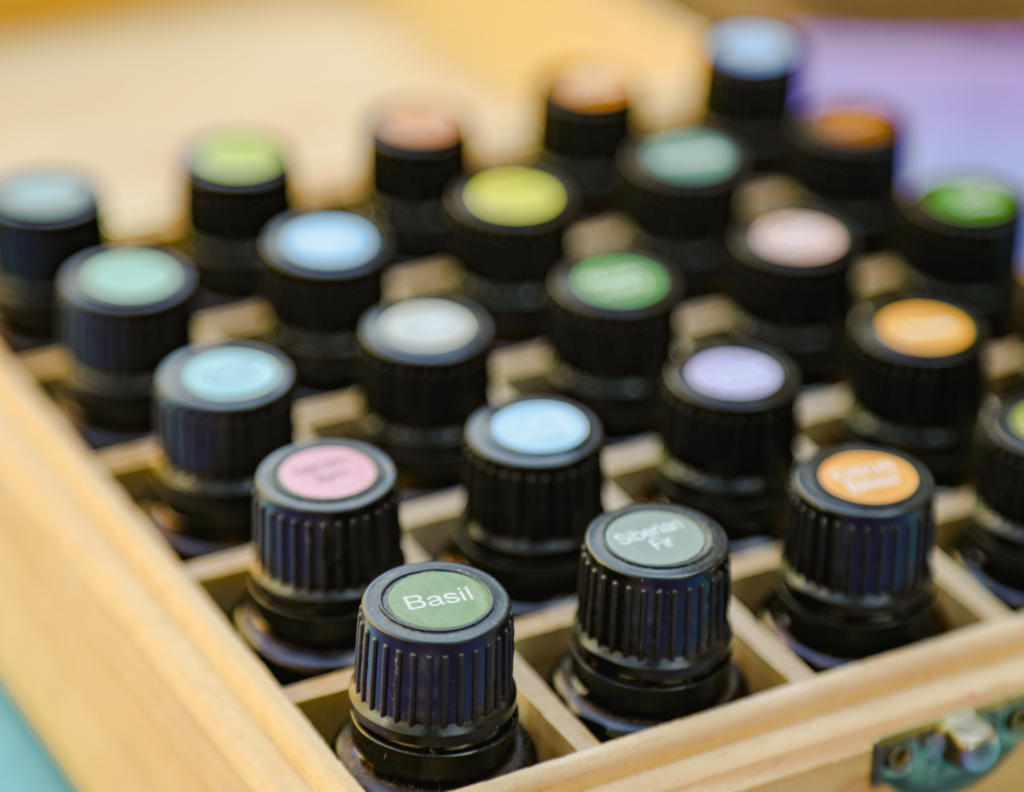
Essential oils degrade over time, especially when exposed to light, heat, and oxygen.
Storage best practices:
- Store in dark glass bottles (most come this way) in a cool, dry place
- Keep away from direct sunlight and heat sources
- Keep caps tightly sealed when not in use
- Mark purchase dates on bottles to track age
- Citrus oils have shorter shelf lives (typically 1-2 years)
- Heavier base oils like cedarwood can last much longer
Signs oils have gone bad:
- Smell off or different from original scent
- Changed significantly in color
- Become thick and syrupy when they shouldn’t be
- Time to replace them
Old, oxidized oils not only smell bad but can also become more irritating to skin and respiratory systems. Keep all essential oils completely out of reach of children and pets—even small amounts ingested can cause serious problems.
Creating Your Seasonal Scent Strategy
Once you understand the basic blends and safety principles, you can develop a more sophisticated approach to holiday scenting that changes throughout the season and varies by room and time of day.
Room-by-Room Scenting
Different spaces in your home have different purposes and may benefit from different scent approaches.
Living areas (where you entertain):
- Classic crowd-pleasing blends work best
- Orange-cinnamon-clove or evergreen forest scents
- Create instant holiday atmosphere for guests
- Use standard diffuser strength
Bedrooms (for restful sleep):
- Gentler, more calming blends
- Lavender essential oil with a touch of vanilla and orange
- Soothing evening blend that’s festive without being stimulating
- Use fewer drops for subtle scent
Kitchen (already filled with cooking aromas):
- Subtle scenting or showcase simmer pots
- Complement rather than compete with meal aromas
- Forest blends work well as they don’t clash with food smells
Bathrooms (smaller spaces):
- Can handle stronger, fresher scents
- Eucalyptus, peppermint, and orange for invigorating mornings
- Still seasonal but different from main living areas
- Prevents scent fatigue throughout the home
This room-by-room approach prevents scent fatigue and creates more interesting sensory experiences as you move through your home.
Time-of-Day Variations
Your scenting needs likely change as the day progresses.
Morning blends (energizing):
- Bright citrus with peppermint
- Orange and ginger combinations
- Evergreen with lemon
- Uplifting scents that help counteract dark winter mornings
Midday blends (focus and clarity):
- Balanced citrus-spice combinations
- Rosemary with orange
- Light evergreen blends
- Maintain festive atmosphere without being overwhelming
Evening blends (calming and grounding):
- Orange, cinnamon, and vanilla
- Pine and cedarwood combinations
- Softer bakery-inspired scents
- Help signal it’s time to wind down
Blending essential oils strategically by time of day can enhance your natural circadian rhythms rather than working against them.
Balancing Scent Intensity Throughout the Season
One common mistake is starting the season too strong with scent and then experiencing burnout by the time Christmas actually arrives.
Seasonal pacing strategy:
- Start with lighter, subtler scenting in late November
- Gradually increase intensity as you move through December
- Prevents nose desensitization
- Keeps scents special rather than overwhelming
Weekly rotation approach:
- Week 1: Evergreen forest scents
- Week 2: Citrus-spice combinations
- Week 3: Bakery-sweet blends
- Week 4: Return to favorites or try new combinations
- Rotation keeps things interesting and prevents any single scent from becoming too familiar
Making It Personal
While classic combinations are popular for good reason, don’t be afraid to create blends that reflect your own memories and preferences.
Ways to personalize your Christmas scents:
- Incorporate oils that connect to your specific memories (maybe grandmother’s rose potpourri mixed with spices)
- Adapt to your climate (warm-weather Christmas might feature grapefruit instead of pine)
- Add unexpected elements you love (patchouli in holiday blends, anyone?)
- Focus on subtle background scent vs. strong statement fragrance based on preference
- Create signature blends that become your family tradition
Your home scenting should bring you joy and create the atmosphere you want, even if it doesn’t match everyone else’s Christmas aesthetic. The goal is creating a sensory environment that feels special and festive to you.
Troubleshooting Common Scenting Challenges
Even with the best planning, you’ll occasionally run into challenges with your Christmas scenting efforts. Here’s how to address some of the most common issues.
When Scent Is Too Weak
If your diffuser or simmer pot isn’t creating noticeable fragrance, several factors could be at play.
Common causes and solutions:
- Room too large: Use a larger diffuser or multiple units in different areas
- Old or poor-quality oils: Check oil age and source; replace if degraded
- Insufficient drops: Gradually increase by 1-2 drops until you reach desired intensity
- Too much air circulation: HVAC systems or open windows disperse scent quickly
- Water not hot enough (simmer pots): Ensure water is actually simmering with small bubbles
- Nose adaptation: You may have become desensitized; take breaks from scenting
For simmer pots, make sure the water is actually simmering (small bubbles breaking the surface) rather than just being hot, as the steam is what carries the fragrance. Sometimes taking an hour break from your home and returning gives you a fresh perspective on whether the scent is actually too weak or if you’ve just become used to it.
When Scent Is Too Strong
The opposite problem—overwhelming intensity—is actually more common and usually easier to fix.
Quick fixes for overpowering scent:
- Immediately reduce number of drops in your next diffuser session
- Open windows or turn on fans to increase ventilation
- Use smaller amounts of plant material in simmer pots
- Add more water to dilute the concentration
- Take breaks: diffuse for 30-60 minutes, then give space a few hours off
- Consider that constant diffusion leads to overcompensation
Remember that you can always add more oil, but you can’t remove it once it’s in the water. If you’ve already over-scented a space, the best solution is fresh air and time. For future sessions, start with fewer drops and work your way up.
Addressing Scent Conflicts
If you’re using multiple scenting methods or different blends in various rooms, be thoughtful about how they might interact.
Avoiding olfactory chaos:
- Choose one dominant theme for main living areas
- Keep other rooms either complementary or unscented
- Don’t mix citrus-spice in living room + evergreen in hallway + bakery in kitchen
- Creates confusing scent jumble
- Consider conflicts with other household products (laundry detergent, cleaners, fabric softeners)
- Using essential oils for laundry can give you more control
Sometimes less is more. It’s better to have one beautifully scented main area than to have multiple competing fragrances throughout your home.
Managing Different Family Preferences
Not everyone will love every scent, and that’s okay.
Strategies for scent harmony:
- Designate certain spaces for certain blends (your office gets your favorite spices; shared bedrooms get mutually-agreed scents)
- Communicate openly about what’s working and what isn’t
- Keep some rooms essentially unscented for retreats
- Ask guests about scent sensitivities before they visit
- Be willing to adjust based on feedback
- Remember: being welcoming matters more than perfect atmosphere
For households with guests who may be scent-sensitive or have allergies, always ask before exposing them to heavy diffusion. It’s better to err on the side of being accommodating than to create an environment that makes someone uncomfortable.
Extending Your Christmas Scenting Knowledge
Creating beautiful Christmas scents is just one aspect of a broader aromatherapy practice. As you become more comfortable with holiday blends, you might find yourself interested in exploring essential oils for other purposes and seasons.
Understanding the properties of individual oils helps you create more sophisticated blends. Learning how to mix essential oils effectively involves understanding top, middle, and base notes, how different oil families complement each other, and how to balance intensity across multiple ingredients. These skills apply whether you’re creating Christmas blends or developing signature scents for other times of year.
The transition from fall to winter provides natural opportunities for seasonal scenting shifts. Fall essential oils tend toward warmer, earthier notes that bridge nicely into winter, while spring essential oils offer the fresh, green, floral notes you’ll crave after months of holiday spices. Developing a year-round seasonal scenting practice helps your home feel intentional and connected to the natural rhythms of the year.
Consider also exploring how Christmas scents might serve purposes beyond just creating atmosphere. Many of the oils commonly used in holiday blends have immune-supporting properties, which is particularly relevant during cold and flu season. Citrus oils are naturally energizing, helping combat the sluggishness that many people feel during dark winter months. Understanding these therapeutic aspects adds another dimension to your scenting practice.
Making Christmas Scent Traditions Your Own
The most meaningful Christmas traditions are the ones that resonate with your personal history and preferences. Perhaps creating your first batch of holiday simmer pot becomes an annual ritual that marks the start of the season. Maybe you’ll develop a signature blend that becomes so associated with your family’s celebrations that your children will someday recreate it in their own homes because “it smells like Christmas at Mom’s house.”
These scent memories are powerful and enduring. The olfactory system connects directly to the limbic system—the emotional center of the brain—which is why smells trigger such vivid, emotionally charged memories. The Christmas scents you create now become the foundation for memories that can last a lifetime. Years from now, a whiff of cinnamon and orange might instantly transport you back to this holiday season, complete with the feelings and experiences you’re creating today.
As you experiment with different blends and methods, pay attention to what truly brings you joy rather than just what seems trendy or popular. If you discover that you actually prefer subtle, barely-there scenting rather than rooms filled with strong aroma, honor that preference. If you find that you’re drawn to unexpected combinations that don’t fit traditional Christmas scent profiles, explore them anyway. Your home should smell the way you want it to smell, creating the atmosphere that makes your holidays special.
The practical skills you’re developing—understanding essential oil safety, learning to blend effectively, recognizing quality oils—will serve you well beyond the Christmas season. You’re not just making your home smell nice; you’re developing a deeper relationship with aromatherapy and natural scenting that can enrich your life year-round.
Christmas scenting, done thoughtfully and safely, transforms your living space into a genuine sanctuary during what can often be a stressful season. The right blend diffusing gently in your living room, a simmer pot bubbling quietly on the stove, dried orange slices catching the light on your mantel—these elements combine to create sensory experiences that support your well-being and enhance your celebrations. They remind us to slow down, breathe deeply, and fully experience the present moment rather than rushing through the holidays in a blur of obligations and stress.
As you incorporate these Christmas scents into your home, remember that the goal isn’t perfection or impressing anyone else. It’s about creating moments of comfort, joy, and connection. It’s about making your space feel welcoming for the people you love. It’s about establishing traditions that ground you and bring meaning to the season. Whether you’re diffusing a simple two-ingredient blend or crafting elaborate simmer pots with a dozen components, you’re engaging in a practice that’s both ancient and deeply personal—using scent to mark time, create atmosphere, and celebrate what matters most.
Continue Your Journey
Ready to expand your essential oil expertise beyond Christmas? Explore these guides to deepen your aromatherapy practice:
Best Christmas Essential Oils – Discover the complete profiles of traditional holiday oils, from sweet orange to frankincense, with detailed safety information and blending suggestions.
Winter Essential Oils – Learn which oils support wellness and create cozy atmospheres throughout the entire winter season, not just during the holidays.
Blending Essential Oils – Master the art of creating custom blends with this comprehensive guide to oil families, note classifications, and successful mixing techniques.
Essential Oil Diffuser Guide – Understand the different types of diffusers, how to use them effectively, and which models work best for various spaces and purposes.
Apply Essential Oils Safely – Explore proper dilution ratios, application methods, and safety guidelines for using essential oils topically and aromatically.
What’s your favorite Christmas scent memory? Share the holiday aromas that transport you back to cherished moments in the comments below.
Want to receive seasonal essential oil blends and aromatherapy tips throughout the year? Join our newsletter community for exclusive recipes, safety updates, and inspiration delivered to your inbox.


