

I sometimes use affiliate links in content. This doesn’t cost you anything but I may make a commission payment from anything you buy through these links. As an Amazon Associate I earn from qualifying purchases. All opinions remain my own.
Essential oils can improve your health, mildly and naturally. Evaporation of essential oils and fragrant enrichment of the space is ideal for purifying the air using diffusers and aroma lamps, creating a harmonious and aromatic environment.
Table of Contents
Where does cinnamon oil come from?
There are two main types of cinnamon oil — one derived from the bark of Cinnamomum verum (sometimes known as Ceylon cinnamon) or Cinnamomum cassia tree, and another made from steam distillation of leaves and twigs of either species.

The latter type is more expensive than the former because it requires less processing time. Both have similar chemical compositions but different scents.
The Top Benefits of Cinnamon
Cultures around the world have long used cinnamon essential oils for healing purposes. The aroma of cinnamon is soothing and calming.
It has been used for centuries in cooking and baking, but now it is also used as an aromatic essence in massage oils and as a natural medicine for various ailments. In Ayurveda, cinnamon oil is spiritually cleansing and warming.
Mood enhancer
Cinnamon is popular for aromatherapy and is used to help enhance mood and reduce depression. It has also been shown to help some people suffering from anxiety and even to aid with better sleep.
Antibacterial properties
Cinnamon oil can be used to deal with bacteria because it contains compounds that are naturally anti-bacterial. This includes serious bacteria such as Pseudomonas aeruginosa, a potentially life-threatening, drug-resistant bacteria that affects plants, people, and other animals.
Oral health benefits
While the taste might not be everyone’s favourite, cinnamon is naturally anti-fungal and this can help with mouth health. It helps against oral infection causing bacteria as well as cavities. Cinnamon bark oil is used as a non-chemical additive to help lengthen the lifespan of some cosmetics and toiletries too.
Improves Blood Sugar Levels
One study showed how cinnamon could improve insulin sensitivity. Insulin resistance occurs when your body doesn’t respond well to insulin, so this means cinnamon helps regulate glucose levels in the bloodstream.
This makes sense since cinnamon is often added to foods as a sweetener. However, cinnamon isn’t just good for diabetics – studies suggest that regular use of cinnamon improves overall cardiovascular health. If you are using it in this way, make sure it is a food-grade oil.
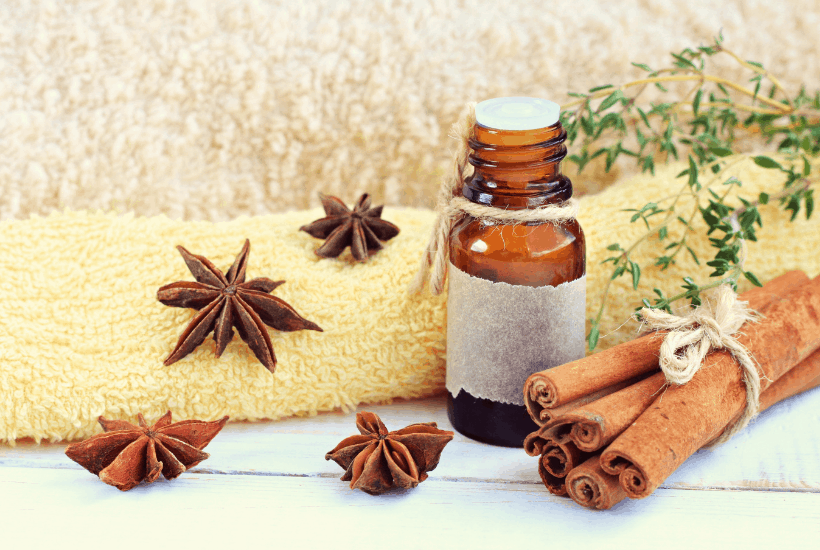
Helps Sore Throats
If you’re suffering from sore throats caused by colds, flu or other respiratory infections, cinnamon has been shown to have some powerful antiviral effects.
A 2014 study published in the Journal of Medicinal Food showed that cinnamon extract was able to inhibit influenza virus replication in vitro. Cinnamon contains compounds called coumarin derivatives, including cinnamic acid, which have strong antibacterial activity against viruses. This makes cinnamon one of the best remedies for sore throat relief.
Cinnamon is a Natural Home Cleaning Aid
Cinnamon is one of the most versatile essential oils on the market. You can use it for anything from cooking to cleaning.
Studies have shown that cinnamon can act as a natural antibacterial agent, which is perfect for cleaning and disinfecting your home without the need for toxic substances like bleach. To create a cleaning solution, get some cinnamon sticks, add to boiling water, and use a rag or sponge to soak up your homemade cleaner.
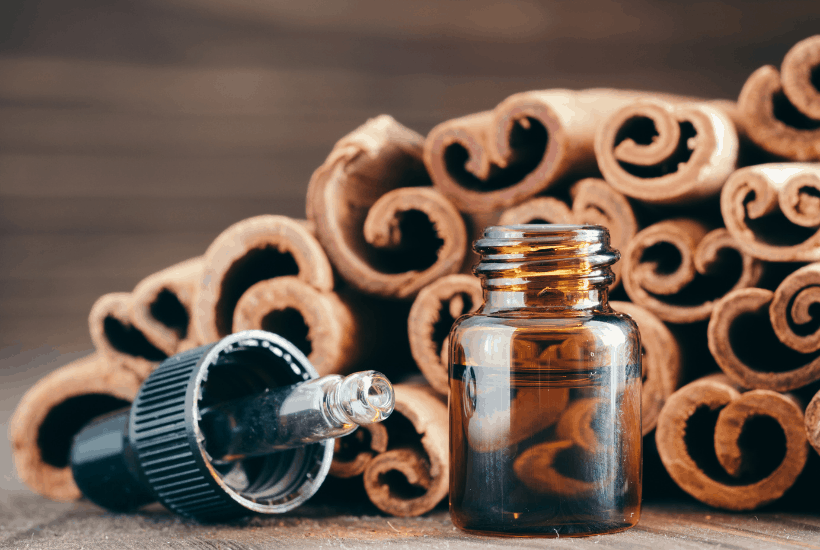
When dissolved in water, you can use it to disinfect surfaces in the kitchen and bathroom. There are a few ways to use cinnamon essential oil for home cleaning.
One of the most popular ways is to mix 1 tablespoon with 2 tablespoons of water in a spray bottle. Spray the solution on surfaces or objects that need cleaning, then let air dry. If required, scrub stubborn stains with an old toothbrush or scrub brush dipped in water and sprayed with the solution.
Uses for cinnamon essential oil
To boost the immune system
Mix the following:
- 2 drops of cinnamon oil
- 3 drops of clove oil
- 3 drops of lemon oil
- 1 drop of rosemary oil
- 1 drop of eucalyptus oil
Apply it on your feet and massage gently for 15 to 20 minutes. There are reflex points on the feet with which our organs are connected. That type of massage can relax the nervous system, activate blood circulation, and speed up detoxification

Room Spray
Essential oils are used to refresh the space, cleanse from negative energy, and lift the mood. There are many different recipes. But keep in mind that essential oils that contain cinnamon are very potent. Be careful and do not overdo it because it can negatively affect the nasal mucosa and cause nausea.
One example recipe is to mix the following:
- 1 drop of cinnamon oil
- 3 drops of clove oil
- 3 drops of cedarwood oil
- 6 drops of tea tree oil
- 6 drops of lemon oil
As a massage oil
Massage has many benefits. Since there are several types of massages, you should use different oils. You can buy the oil or make it yourself. These recipes do not have to be exact but are guidelines to follow.
- If you have sore muscles, this mixture can help. Combine three drops of juniper berries essential oil, three drops of geranium essential oil, three drops of lavender essential oil, a tablespoon of grapeseed carrier oil, and two drops of peppermint essential oil.
- For stress relief, make the following mixture. Combine three drops of cinnamon essential oil, five drops of clove essential oil, three drops of mandarin essential oil, four drops of clary sage essential oil, three drops of marjoram essential oil, three drops of fennel essential oil, and two tablespoons of grapeseed carrier oil. You will notice the effects immediately.
- For cellulite, combine three drops of cinnamon essential oil, four drops of grapefruit essential oil, four drops of rosemary essential oil, four drops of cypress essential oil, two drops of thyme essential oil, and three drops of essential pine oil.
A useful essential oil
Cinnamon is a useful essential oil with solid health benefits. The smell is very much one of the fall essential oils and has a bit of Christmas about it but the benefits mean it works well at any time of the year.


3 Comments