I sometimes use affiliate links in content. This doesn’t cost you anything but I may make a commission payment from anything you buy through these links. As an Amazon Associate I earn from qualifying purchases. All opinions remain my own.
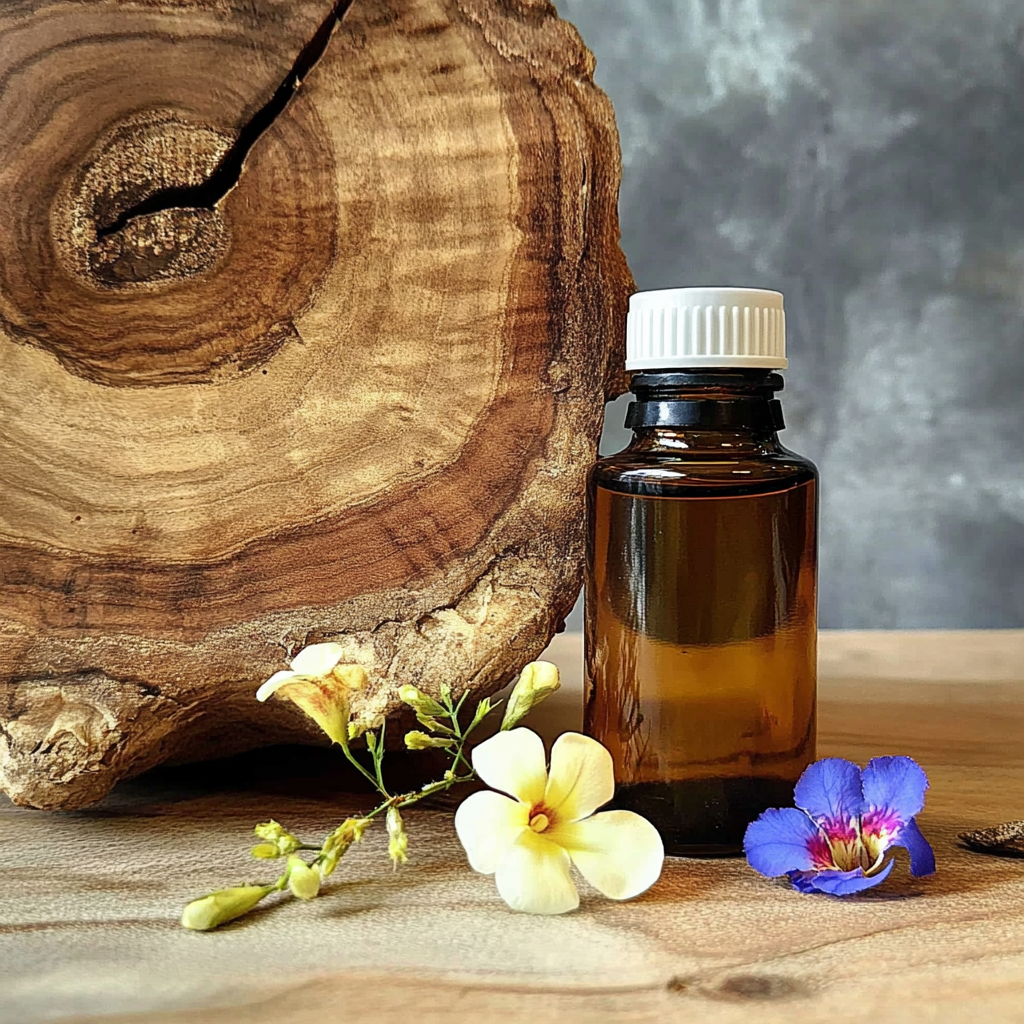
Rosewood essential oil, with its sweet, woody, and slightly floral aroma, has been cherished for centuries in various cultures around the world. Derived from the Aniba rosaeodora tree native to the Amazon rainforest, this precious oil has found its way into perfumes, skincare products, and holistic healing practices. In this post, we’ll explore the many facets of rosewood essential oil, from its origins to its potential health benefits and uses in everyday life.
Table of Contents
What is Rosewood Essential Oil?
Rosewood essential oil is extracted from the wood of the Aniba rosaeodora tree, also known as Brazilian rosewood. This majestic tree, which can grow up to 30 meters tall, is primarily found in Brazil, Peru, and Guyana. The oil is obtained through steam distillation of the wood chips and sawdust, resulting in a pale yellow to colorless liquid with a rich, sweet-woody scent that has subtle floral and fruity notes.
Chemical Composition
The therapeutic properties of rosewood essential oil are largely attributed to its chemical makeup. The primary component of this oil is linalool, typically making up 80-90% of its composition. Linalool is known for its calming and antimicrobial properties. Other components include:
- α-Terpineol
- Geraniol
- Myrcene
- Limonene
These compounds work synergistically to give rosewood oil its unique properties and potential health benefits.
Potential Health Benefits
Rosewood essential oil is associated with several potential health benefits, though it’s important to note that more research is needed to fully substantiate many of these claims. Some of the reported benefits include:
- Stress Relief and Relaxation: The high linalool content may help reduce stress and promote relaxation.
- Skin Care: Rosewood oil is believed to have regenerative properties for the skin, potentially helping with wrinkles, scars, and acne.
- Respiratory Support: Some people use rosewood oil to help clear respiratory passages and soothe coughs.
- Antimicrobial Properties: Studies suggest that rosewood oil may have antibacterial and antifungal properties.
- Mood Enhancement: The pleasant aroma of rosewood oil is thought to help uplift mood and reduce feelings of anxiety.
Common Uses
Rosewood essential oil finds application in various areas:
- Aromatherapy: Used in diffusers or added to bathwater for relaxation and stress relief.
- Massage Therapy: Often blended with carrier oils for massage to promote relaxation and skin health.
- Skincare Products: Incorporated into creams, lotions, and serums for its potential skin-regenerating properties.
- Home Fragrancing: Used in room sprays, candles, or reed diffusers to create a pleasant, calming atmosphere.
How to Use Rosewood Essential Oil
When using rosewood essential oil, it’s important to follow these guidelines:
- Dilution: Always dilute rosewood oil with a carrier oil before applying to the skin. A general rule is 2-3 drops of essential oil per teaspoon of carrier oil.
- Diffusion: Add 3-4 drops to a diffuser filled with water according to the manufacturer’s instructions.
- Topical Application: After diluting, apply to the skin for massage or skincare purposes.
- Inhalation: Add a few drops to a bowl of hot water and inhale the steam, or use in a personal inhaler.
Safety Precautions:
- Perform a patch test before using on larger areas of skin.
- Avoid use during pregnancy without consulting a healthcare provider.
- Keep out of reach of children and pets.
- Do not ingest rosewood essential oil.
Essential Oil Blends Featuring Rosewood Oil
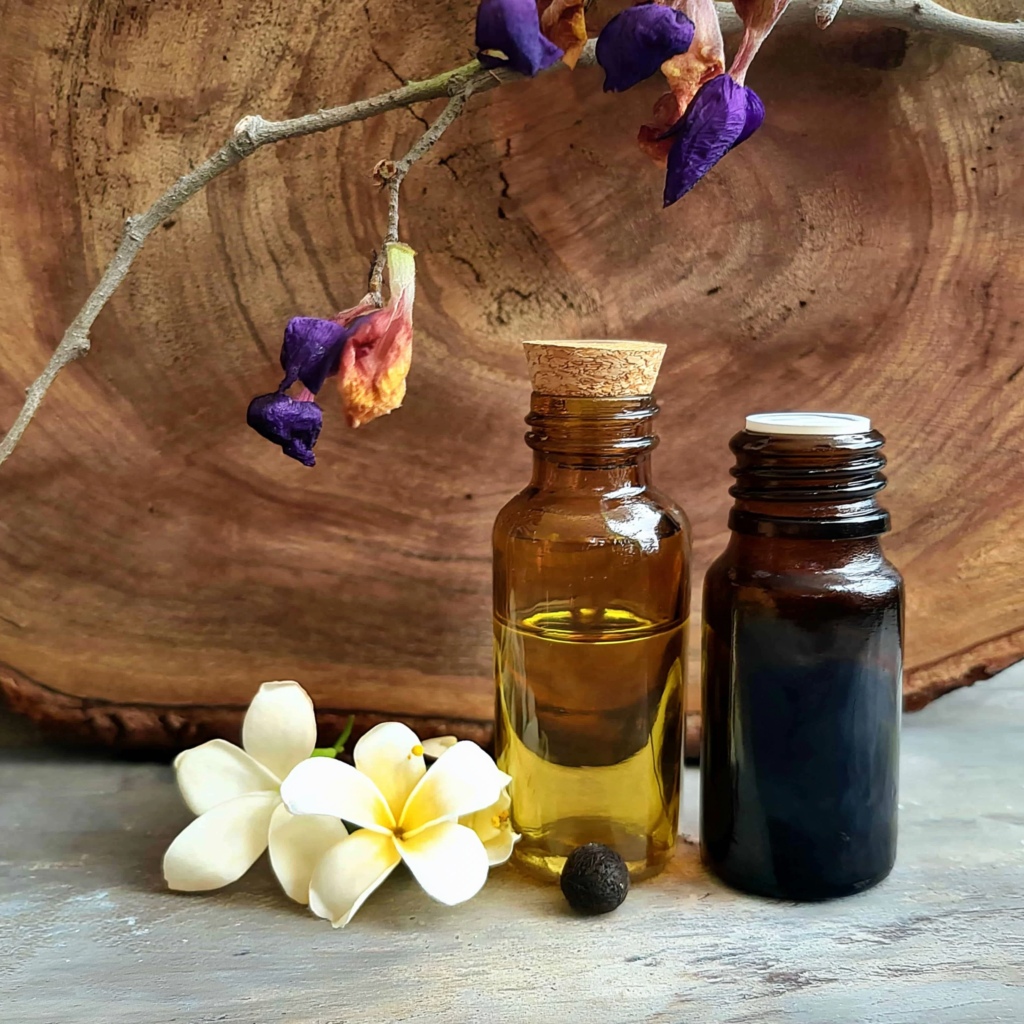
Rosewood essential oil’s sweet, woody aroma and potential therapeutic properties make it an excellent candidate for blending with other essential oils. These blends can enhance the benefits of rosewood oil and create unique, pleasing fragrances. Here are some popular and effective essential oil blends featuring rosewood:
Relaxation Blend
- 3 drops Rosewood
- 2 drops Lavender
- 1 drop Bergamot
This combination promotes relaxation and may help reduce stress and anxiety.
Skin-Nourishing Blend
- 3 drops Rosewood
- 2 drops Geranium
- 1 drop Frankincense
This blend is great for skincare, potentially helping with wrinkles and promoting a healthy complexion.
Respiratory Support Blend
- 2 drops Rosewood
- 2 drops Eucalyptus
- 1 drop Peppermint
This combination may help clear respiratory passages and provide relief from congestion.
Mood-Lifting Blend
- 3 drops Rosewood
- 2 drops Orange
- 1 drop Ylang-Ylang
This uplifting blend can help boost mood and energy levels.
Romantic Blend
- 2 drops Rosewood
- 2 drops Jasmine
- 1 drop Sandalwood
This sensual blend is perfect for creating a romantic atmosphere.
When creating these blends, remember to dilute them properly in a carrier oil before applying to the skin, or use them in a diffuser according to the manufacturer’s instructions. Always perform a patch test before using a new blend, and adjust the ratios to suit your personal preferences.
Experimenting with different combinations can be a fun way to discover new favorite scents while potentially enhancing the therapeutic benefits of rosewood oil. Remember to consider the properties of each oil in the blend to create combinations that suit your specific needs and preferences.
Sustainability Concerns
It’s crucial to address the sustainability issues surrounding rosewood essential oil. The Aniba rosaeodora tree is listed as endangered due to overexploitation. When purchasing rosewood oil, look for brands that source their oil sustainably or use alternative species that provide similar benefits without endangering the Brazilian rosewood population.
Some sustainable alternatives include:
- Ho wood oil (Cinnamomum camphora)
- Biotechnology-derived linalool
Conclusion
Rosewood essential oil offers a range of potential benefits, from promoting relaxation to supporting skin health. Its sweet, woody aroma makes it a pleasant addition to aromatherapy practices and personal care routines. However, it’s important to use this oil responsibly, both in terms of personal safety and environmental sustainability. By choosing ethically sourced products and using the oil correctly, you can enjoy the benefits of rosewood while supporting conservation efforts for this precious resource.