

I sometimes use affiliate links in content. This doesn’t cost you anything but I may make a commission payment from anything you buy through these links. As an Amazon Associate I earn from qualifying purchases. All opinions remain my own.
There are so many types of essential oils on the market these days, it can be hard to know where to start. In this blog post, we will take a look at the different categories of essential oils and some of the scents you can find in them. This information is perfect for anyone who is looking to get started with essential oils or wants to learn more about them!
Table of Contents
Citrus Essential Oils
Oils with a light citrus flavor, such as lemon and lime, are often derived from rinds. They can be perceived as tangy or tart, fresh, clean, bright, vivacious, invigorating, exciting, or energizing.
Lemon essential oil
Lemon oil is one of the most popular essential oils and for good reason! It has a fresh, clean scent that can be used in a variety of ways. You can diffuse it to freshen up your home, add it to your cleaning products for an extra boost of cleaning power, or even use it to make homemade beauty products.
Learn more about lemon essential oil
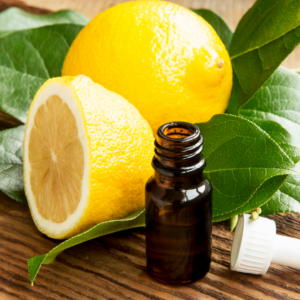
Lime essential oil
Lime oil is another popular citrus essential oil that has a fresh, tart scent. Like lemon oil, it can be used in diffusers, cleaning products, and homemade beauty products. It is also said to be helpful in uplifting moods and promoting feelings of happiness.
Learn more about lime essential oil

Grapefruit essential oil
Grapefruit essential oil has a fresh, citrusy scent that is said to be uplifting and energizing. Grapefruit oil is also a popular ingredient in many types of skin care products because it is thought to be helpful in reducing the appearance of cellulite.
Learn more about grapefruit essential oil
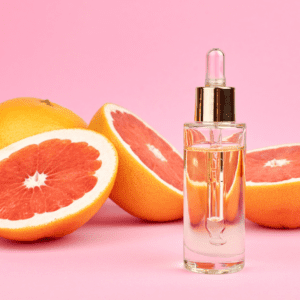
Orange essential oil
Orange essential oil has a sweet, citrusy scent that is said to be uplifting and cheerful. Orange oil is also a popular ingredient in many types of skin care products because it is thought to be helpful in reducing the appearance of wrinkles.
Learn more about orange essential oil
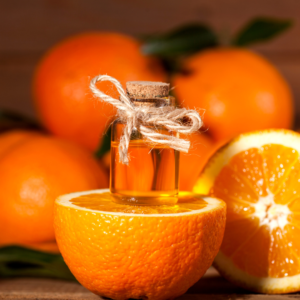
Bergamot essential oil
Bergamot essential oil has a citrusy, floral scent that is said to be uplifting and refreshing. Bergamot oil is also a popular ingredient in many types of skin care products because it is thought to have anti-inflammatory and antibacterial properties.
Learn more about bergamot essential oil
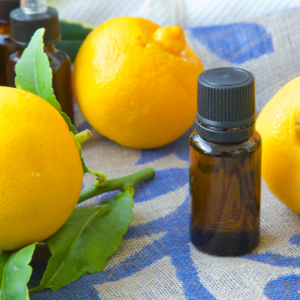
Tangerine essential oil
You can use tangerine oil for its sweet, citrusy scent. It is also said to be helpful in uplifting moods and promoting feelings of happiness.
Citronella essential oil
Citronella is an oil that is derived from the lemon grass plant. It has a citrusy, fresh scent and is a popular ingredient in many types of mosquito repellents.
Lemongrass essential oil
Lemongrass essential oil has a citrusy, earthy scent that is said to be uplifting and refreshing.
Mandarin essential oil
Similar to orange, mandarin oil has a sweet, citrusy scent. It is also said to be helpful in reducing the appearance of wrinkles.
Floral essential oils
Rose, jasmine, or lilac are examples of fragrant oils. They may be described as feminine, powdery, subtle, modest, romantic, and even poetic. They smell sweet and make you feel cheerful. Floral scents are traditional and ageless.
Chamomile essential oil
Chamomile is best known for tea but the essential oil has a sweet, floral scent. Chamomile oil is said to be helpful in promoting relaxation and reducing stress.
Learn more about chamomile essential oil
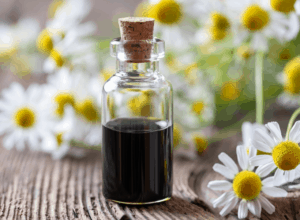
Geranium essential oil
Geranium has a sweet, floral scent that is said to be uplifting and refreshing.
The essential oil has been used to treat a variety of health issues for millennia. It’s shown in scientific studies to help with anxiety, sadness, infection, and pain management. Antibacterial, antioxidant, and anti-inflammatory effects have all been posited as possible.
Jasmine essential oil
Jasmine has a sweet, exotic scent that is said to be romantic and sensual. Jasmine oil is also a popular ingredient in many types of perfumes and skin care products.
Lavender has a fresh, floral scent that is said to be calming and relaxing. Lavender oil is also a popular ingredient in many types of skin care products because it is thought to have anti-inflammatory and antibacterial properties.
Learn more about lavender essential oil
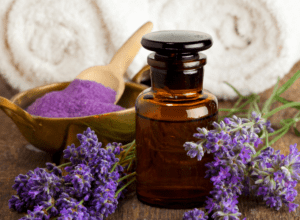
Neroli essential oil
Neroli has a sweet, floral scent that is said to be uplifting and refreshing.
Neroli Essential Oil has antibacterial properties that make it an excellent tool for reducing breakouts and correcting sebum production. It contains a lot of antioxidants, which can combat free radicals and help reduce inflammation and redness caused by acne.
Rose essential oil
Rose has a sweet, floral scent that is said to be romantic and sensual. The oil can be combined with other natural oils to make an effective remedy for anxiety, tension, sadness, and pain. It may help you feel more sexual. This oil will protect you against harmful microorganisms and fungus.
Learn more about rose essential oil
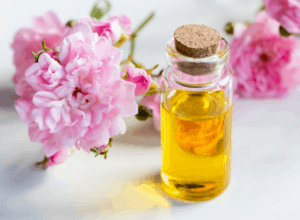
Rosewood essential oil
Rosewood has a woody, floral scent that is said to be uplifting and refreshing.
Rosewood oil, unlike other aromatic oils, is a mild analgesic that can assist with headaches, toothaches, and muscular and joint discomfort. It aids in the healing of wounds. This oil’s antiseptic qualities aid in the prevention of infections and faster wound healing. Helps with colds and coughs too.
Ylang-Ylang essential oil
Ylang-Ylang has a sweet, floral scent that is said to be romantic and sensual. Ylang-
Ylang ylang oil is used to increase sexual desire, remove bacteria, lower blood pressure, and relax the body. It’s also part of a head lice treatment spray that includes eucalyptus oil. The aroma of ylang ylang oil in aromatherapy is utilized to improve memory and cognitive performance.
Learn more about ylang ylang essential oil
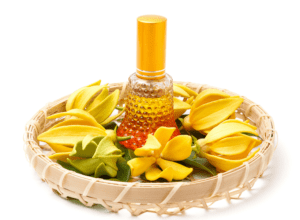
Petitgrain essential oil
Petitgrain has a fresh, floral scent that is said to be uplifting and refreshing. Petitgrain Essential Oil is a fantastic natural cure for irritated skin due to its potent anti-inflammatory and antibacterial properties. Whether you have rosacea, acne-induced irritation, or even sunburn, this fragrant essential oil helps to heal and calm your skin.
Herbaceous Essential Oils
Essential Oils with herbaceous qualities are described as having a green, grassy smell. These Essential Oils have mild floral yet invigorating spring-like odors that are linked to lush, wet vegetation. They smell earthy and fresh, like leaves, moss, mown grass, herbs, and trees.
Angelica root essential oil
Angelica root is said to have a sweet, floral scent that is uplifting and refreshing. The oil has been used to treat a variety of health issues for millennia. It’s shown in scientific studies to help with anxiety, sadness, infection, and pain management. Antibacterial, antioxidant, and anti-inflammatory effects have all been posited as possible.
Clary sage essential oil
Clary sage has a sweet, floral scent that is said to be romantic and sensual. Clary sage is a common herb used to treat upset stomach and a variety of other digestive issues, kidney diseases, menstrual cramps (dysmenorrhea), menopausal symptoms, anxiety, tension, and other ailments.
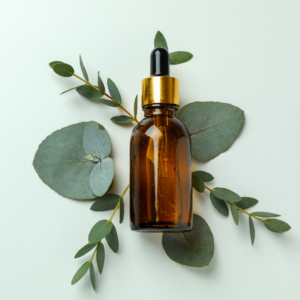
Eucalyptus essential oil
Eucalyptus has a fresh, clean scent that is said to be invigorating and refreshing. Eucalyptus oil is an essential oil that’s used as a medicine to cure a range of medical issues including stuffy nose, asthma, and tick repellant. Eucalyptus oil diluted with water can be applied to the skin for therapeutic purposes such as arthritis and skin ulcers.
Learn more about eucalyptus essential oil
Fennel essential oil
Fennel has a sweet, anise-like scent that is said to be uplifting and refreshing. Fennel Oil, when combined with Lavender Oil and Bergamot Oil, may help to relieve tension, anxiety, and even sadness. Fennel Essential Oil can also improve mental clarity and focus in conjunction with other Essential Oils such as Bergamot Oil and Lavender Oil.
Hyssop essential oil
Hyssop has a fresh, minty scent that is said to be invigorating and refreshing. Hyssop essential oil is antibacterial and antifungal and has been shown to be effective against specific strains of pathogenic microorganisms. The plant oil was found in a study to have significant antimicrobial activity against Staphylococcus and other similar organisms.
Marjoram essential oil
Marjoram has a sweet, herbaceous scent that is said to be relaxing and soothing.
Marjoram oil is great for a cough, gallbladder problems, stomach cramps, and digestive issues, as well as depression, dizziness, migraines, nervous headaches, nerve pain, paralysis symptoms. Marjoram is also used to treat colds.
Melissa essential oil
Melissa has a sweet, citrusy scent that is said to be uplifting and refreshing. The oil is also a popular ingredient in many types of skin care products because it is thought to have anti-inflammatory and antibacterial properties.
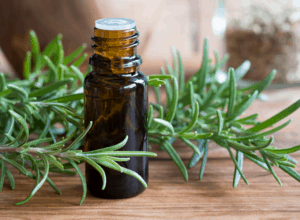
Rosemary essential oil
Rosemary has a fresh, herbaceous scent that is said to be invigorating and refreshing. The oil is also a popular ingredient in many types of skin care products because it is thought to have anti-inflammatory and antibacterial properties.
Learn more about rosemary essential oil
Thyme essential oil
Thyme has a fresh, herbaceous scent that is said to be invigorating and refreshing. The oil is also a popular ingredient in many types of skin care products because it is thought to have anti-inflammatory and antibacterial properties.
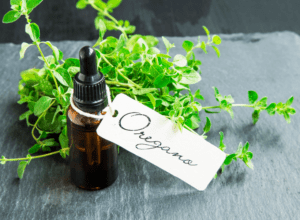
Oregano essential oil
Oregano has a sharp, pungent scent that is said to be invigorating and refreshing. The oil is also a popular ingredient in many types of skin care products because it is thought to have anti-inflammatory and antibacterial properties.
Learn more about oregano essential oil
Bay laurel essential oil
Bay laurel has a sweet, herbaceous scent that is said to be uplifting and refreshing. The oil is also a popular ingredient in many types of skin care products because it is thought to have anti-inflammatory and antibacterial properties.
Catnip essential oil
Catnip has a fresh, minty scent that is said to be invigorating and refreshing. The oil is also a popular ingredient in many types of skin care products because it is thought to have anti-inflammatory and antibacterial properties.
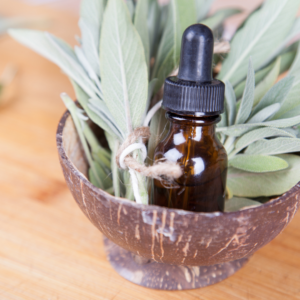
Sage essential oil
Sage has a fresh, herbaceous scent that is said to be invigorating and refreshing. The oil is also a popular ingredient in many types of skin care products because it is thought to have anti-inflammatory and antibacterial properties.
Learn more about sage essential oil
Parsley essential oil
Parsley has a fresh, herbaceous scent that is said to be uplifting and refreshing. The oil is also a popular ingredient in many types of skin care products because it is thought to have anti-inflammatory and antibacterial properties.
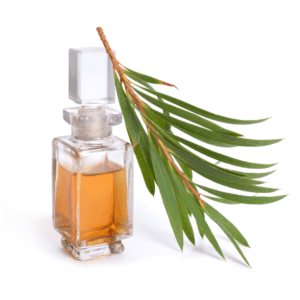
Tea Tree essential oil
Tea tree has a fresh, earthy scent that is said to be invigorating and refreshing. The oil is also a popular ingredient in many types of skin care products because it is thought to have anti-inflammatory and antibacterial properties.
Learn more about tea tree essential oil
Yarrow essential oil
Yarrow has a sweet, floral scent that is said to be relaxing and soothing. The oil is also a popular ingredient in many types of skin care products because it is thought to have anti-inflammatory and antibacterial properties.
Camphoraceous
Essential oils with strong odors and well-known to be helpful in clearing the respiratory system since to their clarifying, penetrative, invigorating, purifying, and nearly medicinal fragrances.
Camphor essential oil
Camphor oil has several applications. It’s frequently used in vapor rubs, liniments, and balms because of its anti-inflammatory properties. Many individuals use it to alleviate irritation, itching, and discomfort. It can also aid in the treatment of inflammatory diseases and chest congestion by being included in a variety of formulations.
Cajeput essential oil
The leaves, flowers, and roots of the cajeput (Melaleuca leucadendron) tree have been used to treat colds, headaches, toothache, and tumors; to loosen phlegm so it can be coughed up (as an expectorant); and as a tonic. Cajeput also works to treat fungal infections and scabies from the bites of mites.
Pennyroyal essential oil
Pennyroyal is a plant, and the leaves and oil they contain are used to make medicine. Despite significant safety concerns, pennyroyal is still utilized for the common cold, pneumonia, and tiredness, and as an insect repellant, but there is no scientific proof to support these applications.
Laurel Leaf essential oil
Laurel Leaf essential oil is auspicious, fittingly promoting a brave and self-assured atmosphere. It encourages feelings of concentration, focus, and clarity. When you require an invigorating, uplifting scent, diffuse or take a few deep breaths of Laurel Leaf essential oil.
Minty
Minty-scented essential oils are known for their invigorating, fresh aromas. They’re supposed to be clearing and cooling in aromatherapy and topical applications.
Spearmint essential oil
Spearmint is a flavorful, minty herb that may be beneficial to your health. It’s high in antioxidants and other beneficial plant chemicals that may aid in hormone balance, blood sugar levels, and digestion. It might also help with stress and memory.
Wintergreen essential oil
Wintergreen Essential Oil is used both medicinally and aromatically to promote circulation, enhance metabolic function and digestion, improve the body’s detoxification process, soothe inflammation, and relieve pain. It has also been used to treat the symptoms of psoriasis, colds, infections (including the flu), as well as other illnesses.
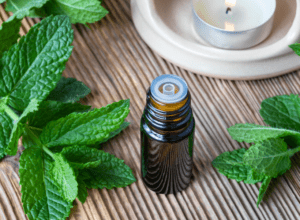
Peppermint essential oil
It has been used as a mouthwash, mouthwash with peppermint oil, and an essential oil. Peppermint oil is utilized topically (on the skin) to relieve headaches, muscular aches, joint pain, and itching. In aromatherapy, peppermint oil is recommended for treating coughs and colds, reducing pain intensity, enhancing mental functions and even to assist with stress reduction.
Learn more about peppermint essential oil
Spicy
Essential Oils with exotic, warm, and powerful aromas are frequently associated with baking and other pleasant memories. They’re typically utilized to boost energy and concentration thanks to their strong smells.
Aniseed essential oil
Aniseed essential oil is an extract from the aniseed plant, which is native to the Mediterranean region. The aniseed plant has a sweet, licorice-like flavor and aroma, which makes it a popular ingredient in many foods and beverages. Aniseed essential oil has a similar flavor and aroma, but it also contains a range of health-promoting compounds.
Aniseed essential oil is rich in antioxidants, for example, which can help to protect your cells from damage. Additionally, aniseed oil has anti-inflammatory properties, which can be helpful if you suffer from conditions like arthritis or psoriasis. Aniseed essential oil can also help to boost your immune system, making it easier recover from coughs and colds.
Basil essential oil
Basil essential oil is extracted from the basil plant, which is a member of the mint family. The oil has a sweet, aniseed-like scent and is used in aromatherapy to relieve stress and tension. It is also believed to boost circulation and help to clear respiratory problems.
In addition, basil essential oil can be used topically to treat skin conditions such as acne and eczema. When diluted with a carrier oil, it makes an excellent massage oil for relieving muscle pain. If you are struggling to sleep, add a few drops of basil essential oil to your diffuser or burner before bedtime. The soothing aroma will help you to relax and drift off into a peaceful slumber.
Black Pepper essential oil
Black pepper essential oil is a popular choice for aromatherapy and home use. It has a sharp, spicy aroma that can refresh and energize. Plus, black pepper essential oil has many potential health benefits. For example, it may help to relieve pain, reduce inflammation, and improve circulation. In addition, black pepper essential oil is often used as a natural insecticide. Be sure to choose an oil that is pure and potent for the best results.
Cardamom essential oil
Cardamon essential oil is obtained from the cardamom plant, a perennial herb that is native to India. The oil is extracted from the seeds of the plant, and it has a warm, spicy aroma. Cardamon essential oil is used in aromatherapy and it is believed to have several health benefits. It is said to be helpful in relieving indigestion, nausea, and gas. Additionally, cardamon essential oil is used as a massaging oil and it is said to help in relieving muscle pain. It is also used as a perfume and it is said to have a calming effect on the mind.
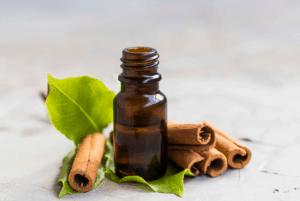
Cinnamon essential oil
Cinnamon essential oil is derived from the bark of Cinnamon trees. It has a sweet, spicy smell and is used in many different ways. Cinnamon oil can be used to help relieve nausea, headaches, and muscle pain. It can also be used to improve circulation and stimulate the immune system. Cinnamon oil is also known for its antifungal and antibacterial properties. In addition, Cinnamon oil can help to reduce inflammation and speed up the healing process of wounds. Cinnamon essential oil is an effective and versatile remedy that can offer many different health benefits.
Learn more about cinnamon essential oil
Coriander essential oil
Coriander essential oil is derived from the Coriandrum sativum plant, which is also known as cilantro or Chinese parsley. The plant is native to the Mediterranean region, but it is now grown all over the world. The essential oil is extracted from the plant’s leaves, stems, and seeds.
Coriander essential oil has a sweet, spicy aroma and is used in aromatherapy for its calming and grounding effects. Coriander essential oil can also be used topically, although it should be diluted first. When applied to the skin, it can help to reduce inflammation and clear up acne. Coriander can also be taken internally, although it is important to consult a qualified healthcare
Cumin essential oil
Cumin essential oil is obtained by steam distilling the seeds of the Cuminum cyminum plant. Cumin has been used in traditional medicine for centuries, and cumin essential oil retains many of the same health benefits. Cumin essential oil is known to be an effective digestive aid, and it can also help to relieve pain and inflammation.
When applied topically, cumin essential oil can help to soothe skin conditions such as eczema and psoriasis. In addition, cumin essential oil has potent antibacterial and antiviral properties. As a result, it can be used to boost the immune system and protect against infections. Whether you are using it to improve digestion or ward off illness, cumin essential oil is an incredibly versatile
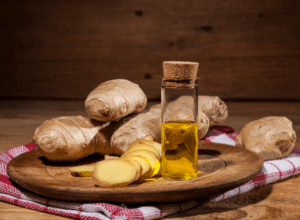
Ginger essential oil
Ginger is a spice that has been used for centuries in both cooking and medicine. Ginger essential oil is made by steam distilling the roots of the Ginger plant, and it has a wide range of uses and health benefits. Ginger essential oil can be used to help with digestion, nausea, and inflammation.
It is also effective in relieving pain, tension headaches, and muscle aches. In addition, Ginger essential oil is said to improve circulation and boost immunity. When used topically, Ginger essential oil can help to improve the appearance of scars and stretch marks. It can also be added to shampoo or conditioner to help with dandruff or an oily scalp. Whether you are using it for its medicinal properties or its pleasant scent, Ginger essential oil
Learn more about ginger essential oil
Nutmeg essential oil
Nutmeg essential oil is derived from the nutmeg tree. The tree is native to Indonesia, but it is also grown in other parts of the world, such as India and Sri Lanka. Nutmeg essential oil has a warm, spicy scent and can be used for a variety of purposes. It is commonly used in aromatherapy and has a soothing effect on the mind and body.
Nutmeg essential oil can also be used topically to relieve pain and inflammation. Additionally, it can be used to improve circulation and to treat colds and flu. Overall, nutmeg offers a wide range of health benefits and can be used in a variety of ways to improve your health and well-being.
Allspice essential oil
Allspice essential oil is made from the dried berries of the allspice tree. The allspice tree is native to Central America, and its berries have been used for centuries in cooking and traditional medicine. Allspice essential oil has a sweet, spicy aroma and is often used in aromatherapy.
Allspice essential oil is said to offer a variety of health benefits, including: helping to relieve pain, reducing inflammation, aiding digestion, boosting circulation, and fighting bacteria. Allspice essential oil is considered safe for most people to use, but it should be used sparingly and diluted with a carrier oil before being applied to the skin.
Cassia essential oil
Cassia essential oil is made from the Cassia plant, which is native to China. The oil has a sweet, spicy aroma and is used in many perfumes and cosmetics. Cassia is also said to have numerous health benefits. It is believed to be a stimulant, an antispasmodic, and an expectorant. It is also said to be helpful in treating stomach pain, diarrhea, and constipation.
Cassia essential oil should be used with caution, however, as it can be irritating to the skin. If you are pregnant or breastfeeding, it is best to avoid using Cassia essential oil.
Clove essential oil
Clove essential oil is made by steam distilling the cloves from the Syzygium aromaticum tree. Clove oil has a sweet, spicy scent and is used in many products for its warming and grounding properties. Clove essential oil also has a number of health benefits. Clove oil can be used to support digestion, relieve pain, and boost immunity.
Clove essential oil can be used aromatically, topically, or internally. When using clove essential oil internally, always dilute it with a carrier oil such as fractionated coconut oil. Clove essential oil is a powerful oil and should be used with caution. Always do a skin test before using an essential oil topically.
Musky
These oils rich, smoky aroma is woody and earthy. Sweet, leather-like, and warm are some of the essential oils’ more compelling characteristics. Their soothing qualities make them perfect for spiritual applications.
Benzoin essential oil
Benzoin essential oil is derived from the Benzoin tree, also known as the styrax tree. The Benzoin tree is native to Southeast Asia, and has been used for centuries in traditional medicine. Benzoin essential oil has a sweet, vanilla-like scent and is often used in perfumes and fragrances.
Benzoin essential oil is also said to have a number of health benefits. Some people use it to help relieve stress and anxiety, while others use it to help improve circulation and relieve pain. Benzoin essential oil is also said to be helpful in treating skin conditions such as eczema and psoriasis. If you’re interested in trying Benzoin essential oil, be sure to talk to your
Elemi essential oil
Elemi essential oil is derived from the resin of the elemi tree, which is native to the Philippines. The oil has a fresh, citrusy scent and is used in aromatherapy to promote feelings of wellbeing. Elemi oil is also said to have a range of health benefits, including boosting the immune system, reducing inflammation, and relieving pain.
In addition, elemi oil is known for its antiseptic and antibacterial properties, making it an effective natural remedy for minor cuts and scrapes. If you’re looking for an essential oil that can offer a range of benefits, then elemi oil is worth considering.
Frankincense essential oil
Frankincense oil has been used medicinally for centuries, dating back to ancient Egyptian times. Frankincense oil is extracted from the bark of the Boswellia tree and has a woody, spicy scent. It’s a popular ingredient in many cosmetic and skincare products, as it’s thought to have anti-inflammatory and healing properties.
Some potential health benefits of Frankincense oil include reducing inflammation, boosting immunity, fighting off infections, and aiding in digestion. Frankincense oil can be used in a diffuser or topically on the skin when diluted with a carrier oil. You can also find Frankincense oil in many different types of skincare products, such as body lotions, face creams, and soaps
Learn more about frankincense essential oil
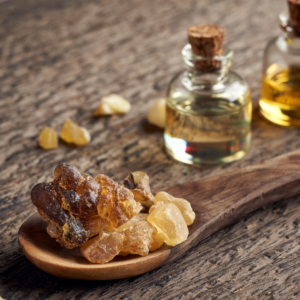
Myrrh essential oil
Myrrh essential oil has a long history of use in traditional medicine, dating back to ancient Egypt. Myrrh is derived from the gum of the Myrrh tree, and has a faint, earthy scent.
Myrrh essential oil is said to offer a number of health benefits, including reducing inflammation, boosting immunity, fighting infection, and promoting healing. Additionally, Myrrh oil is often used as a natural remedy for colds and flu and can be inhaled or applied topically.
Myrrh oil is also sometimes used in skincare products due to its ability to soothe and heal the skin. If you’re interested in trying Myrrh essential oil, be sure to consult with a healthcare professional first, as it can interact with some
Balsam essential oil
Balsam essential oil is derived from the resin of the balsam fir tree. It has a warm, woody scent and is known for its ability to soothe and relax the body and mind. Balsam essential oil can be used in a variety of ways, including diffusing it into the air, applying it topically, or adding it to a bath.
When used aromatically, balsam essential oil can help to reduce stress and promote feelings of calm and well-being. When applied topically, balsam essential oil can help to relieve muscle pain and stiffness. And when added to a bath, balsam essential oil can help to soothe dry skin.
Woody / Earthy
The Essential Oils have rich, warm, and long-lasting scents. These oils are characterized as smelling “brown.” They have aromas reminiscent of a forest floor or wet dirt that smell soft, manly, musky, and sensual. Their sexy, enticing, and mesmerizing qualities create an air of intrigue.
Cypress essential oil
Cypress essential oil is made from the Cypress tree, which is native to Greece and Cypress. The Cypress tree has long been associated with death and mourning, and its wood was often used to make coffins. Cypress essential oil has a fresh, woody scent and is said to have numerous health benefits.
Cypress oil is said to be helpful in treating respiratory problems, such as bronchitis and Asthma. Cypress essential oil is also said to be helpful in treating anxiety and depression. Cypress essential oil is also said to have anti-inflammatory properties, making it helpful in treating conditions such as arthritis.
Juniper Berry essential oil
Juniper Berry essential oil is derived from the Juniperus communis plant, which is native to Europe. The Juniperus plant has small, berries that turn from green to blue as they mature. Juniper Berry essential oil has a fresh, slightly sweet, and woody aroma.
Juniper Berry essential oil is used in aromatherapy to help relieve anxiety and stress. It is also used topically to help treat acne, eczema, and psoriasis. Juniper Berry oil can also be used to help improve circulation and relieve muscle pain. To use Juniper Berry essential oil for aromatherapy, add a few drops of the oil to a diffuser or vaporizer.
Pine essential oil
Pine essential oil has a variety of health benefits, making it a popular choice for many people. Pine oil is extracted from the needles and cones of pine trees, and it has a potent, woody aroma. Pine essential oil is used in aromatherapy and has a number of benefits, including easing respiratory problems, boosting immunity, relieving stress and anxiety, and improving circulation. Pine essential oil can also be used topically, and it is often used in massage oils and other skin care products.
Sandalwood essential oil
Sandalwood essential oil is derived from the wood of the Santalum album tree. It has a sweet, woody aroma that has been used in religious ceremonies and as a perfume ingredient for centuries. Sandalwood essential oil is thought to have a number of benefits for health, including:
- boosting the immune system
- fighting bacteria and viruses
- reducing inflammation
- aiding in digestion
- alleviating anxiety and depression
Sandalwood essential oil can be used in a diffuser or added to massage oil. It can also be applied directly to the skin, although it should be diluted first. Sandalwood essential oil is considered safe for most people, but it can cause skin irritation in some people. If you are unsure, always do a patch test on the back of your arm.
Fir essential oil
Fir essential oil is made from the needles and twigs of the fir tree. It has a fresh, woody aroma and is yellow to light green in color. Fir essential oil is thought to have numerous health benefits, including reducing inflammation, boosting immune function, and easing respiratory problems. Fir oil is also used as an insecticide and natural cleansing agent.
Cedarwood essential oil
Cedarwood essential oil is an oil that is extracted from the Cedar tree. Cedarwood oil has many health benefits and has been used for centuries in traditional medicine. Cedarwood oil is known to help relieve stress and anxiety, improve sleep quality, boost immune system function, and reduce inflammation.
Cedarwood essential oil can be used in a diffuser, in a massage oil, or diluted in a carrier oil and applied to the skin. Cedarwood essential oil should not be ingested or used undiluted on the skin. If you are pregnant or breastfeeding, consult your healthcare provider before using Cedarwood essential oil.
Learn more about cedarwood essential oil
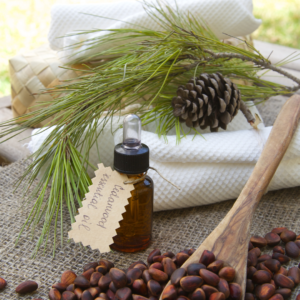
Rosewood essential oil
Rosewood essential oil is derived from the wood of the Rosewood tree. The Rosewood tree is native to South America and can grow up to 100 feet tall! Rosewood essential oil has a sweet, floral scent and is often used in aromatherapy.
Rosewood essential oil is said to have many health benefits, including: easing anxiety, improving circulation, easing headaches, and boosting the immune system. It l is also said to be beneficial for the skin. It can help to reduce inflammation and redness, and it is also said to be helpful in treating acne. Rosewood essential oil is a versatile oil with many potential health benefits.
Patchouli essential oil
Patchouli essential oil is made from the leaves of the Patchouli plant, which is a member of the mint family. The leaves are dried and then steam-distilled to extract the oil. Patchouli essential oil has a strong, musky scent that some people love and others find overpowering.
The scent of Patchouli essential oil is said to be grounding and earthy, and it is often used in perfumes, soaps, and candles. Patchouli essential oil is also used in aromatherapy, as it is thought to help relieve anxiety and stress. In addition, Patchouli essential oil is believed to have antiseptic and anti-inflammatory properties, making it beneficial for skin conditions such as acne.
Learn more about patchouli essential oil
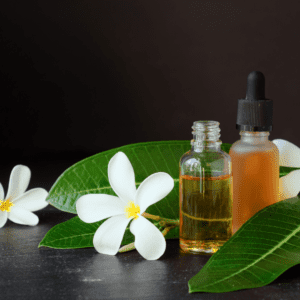
Vetiver essential oil
Vetiver essential oil is derived from the Vetiveria zizanioides plant, which is native to lowland tropical areas of Asia. The oil has a woody, sweet scent and is often used in perfumes and cosmetics. Vetiver oil is also known for its medicinal properties and has been used in Ayurvedic and Traditional Chinese Medicine for centuries.
Vetiver essential oil is said to be beneficial for the skin, hair, nervous system, and immune system. Some health benefits associated with the oil include reducing inflammation, relieving anxiety and stress, aiding in digestion, and promoting wound healing. Vetiver oil can be used topically, added to a bath or diffuser, or inhaled directly from the bottle.
Valerian essential oil
Valerian essential oil is extracted from the Valerian plant, which is native to Europe and Asia. The Valerian plant has been used for centuries for its medicinal properties, and today, the essential oil is commonly used to treat anxiety and insomnia.
Valerian essential oil works by affecting the body’s level of GABA, a neurotransmitter that helps to regulate the nervous system. Studies have shown that Valerian essential oil can be effective in reducing anxiety and improving sleep quality. It is typically used in aromatherapy, but it can also be added to baths or massaged into the skin.
Carrot Seed essential oil
Carrot Seed essential oil is derived from the dried seeds of the Carrot plant. Carrot Seed oil has a wide range of potential health benefits, including improved digestion, reduced inflammation, and increased immunity.
Carrot Seed oil is also thought to have anti-aging properties, and it can be used to help improve the appearance of skin and hair. When used topically, Carrot Seed oil is absorbed quickly by the skin, making it an excellent choice for massages and other treatments.


