
I sometimes use affiliate links in content. This doesn’t cost you anything but I may make a commission payment from anything you buy through these links. As an Amazon Associate I earn from qualifying purchases. All opinions remain my own.
You can use essential oils for a variety of issues like helping reduce anxiety, getting more sleep, controlling hunger and so forth. But did you know that you can also use essential oils for skin care?
The biggest tip to do this is to make sure you dilute your oils with a carrier oil. You don’t want more than 5% essential oils in your solution, as anything stronger may cause more problems.
Table of Contents
Sensitive skin and essential oils
Sensitive skin can be dry or oily, and it’s frequently linked to allergies, eczema, and other skin diseases.
If you have sensitive skin, avoid oils that are highly acidic, such as lemon and lemongrass. The following oils are considered safe for all skin types:
- lavender
- frankincense
- sandalwood
Remove excessive oils and germs without drying the skin when treating acne; this might cause more oil to form. Inflammation may be another aggravating factor in acne pimples.
Rosemary and frankincense are both well-known for eliminating microorganisms and inflammation, which may help with acne. Clary sage oil is also utilized to reduce sebum production on oily skin. The following oils might also benefit persons who have acne-prone skin.
Skin rashes
Some essential oils have the potential to balance moisture and relieve itching associated with skin rashes. Researchers discovered that combining thyme with lavender helped cure eczema in mice, which led them to believe that this essential oil combination might help people suffering from eczema as well.
Other potential essential oils for skin rashes include:
- lavender
- cinnamon
- geranium
Another factor to consider is the discomfort that can sometimes accompany skin rashes. In this case, you might want to try some of the following essential oils since they have pain-relieving properties.
Best essential oils for skin care
Lavender
Although it’s primarily used for sleep and relaxation, this versatile oil may also assist to balance out moisture levels in your skin. It’s an anti-inflammatory that treats redness while being a natural hydrator that can mend dry skin without making it greasy.

Chamomile
Chamomile oil contains azulene, which has been shown to enhance moisture and reduce inflammation. If you have ragweed allergies, though, avoid it since chamomile might be a trigger.
Sandalwood
Sandalwood contains antioxidants that are known to decrease irritation while promoting moisture retention in the skin.
Clary sage
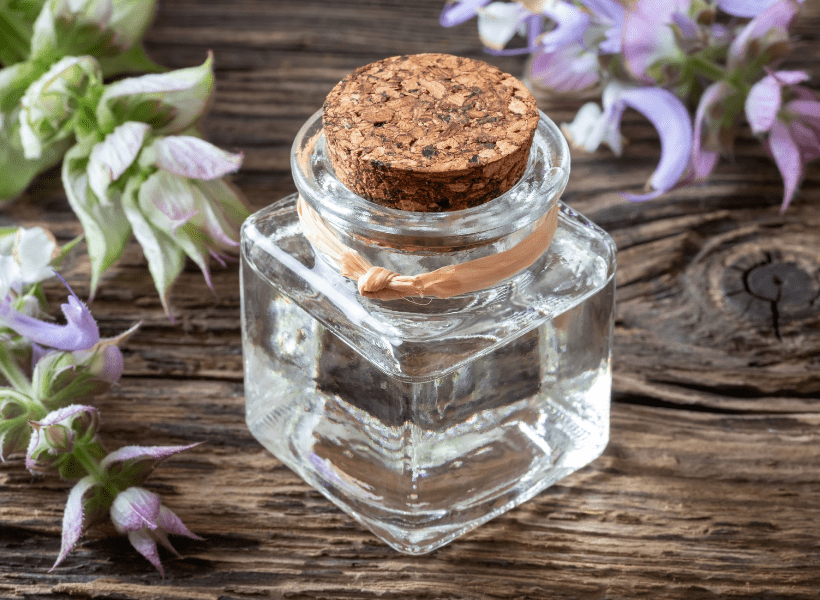
Clary sage has been used for centuries to treat oily skin and prevent excess sebum. Clary sage may help reduce the appearance of wrinkles in mature skin and fight acne.
Rosemary
The active component of rosemary essential oil, which is also known as rosmarinic acid, has anti-inflammatory, stimulating, and analgesic properties. The main components of esters, for example, may help control excessive sebum. Researchers have observed that it can aid in the treatment of greasy hair and dandruff while also promoting hair growth.
Frankincense
Proponents say that frankincense in cosmetics can help eliminate greasy and acne-prone skin while providing lipids for aging skin.
Geranium
Geranium is supposed to help balance skin oils. Because of its high alkalinity, geranium makes soap a vital component in balancing out moistures.

Neroli
Citral is also present in neroli. It may aid in the maintenance of a healthy skin barrier by balancing sebum.
Lemon
Lemon oil, made from the peel of the citrus fruit, can help decrease inflammation and oxidative stress, which can trigger acne and photoaging.
Lemongrass
Lemongrass is also antibacterial, which makes it useful in treating acne. These can help to combat pimples by acting as an antimicrobial while also removing extra dead skin cells.
Cinnamon
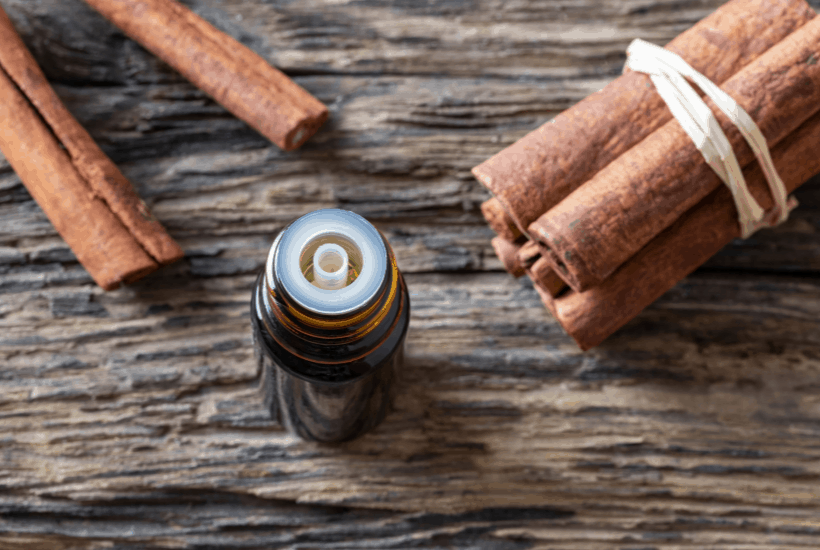
Cinnamic acid is also present in cinnamon essential oil, which is why it’s classified as an effective anti-inflammatory. This might aid inflammatory acne problems like cysts, nodules, and purpura.
Tea tree
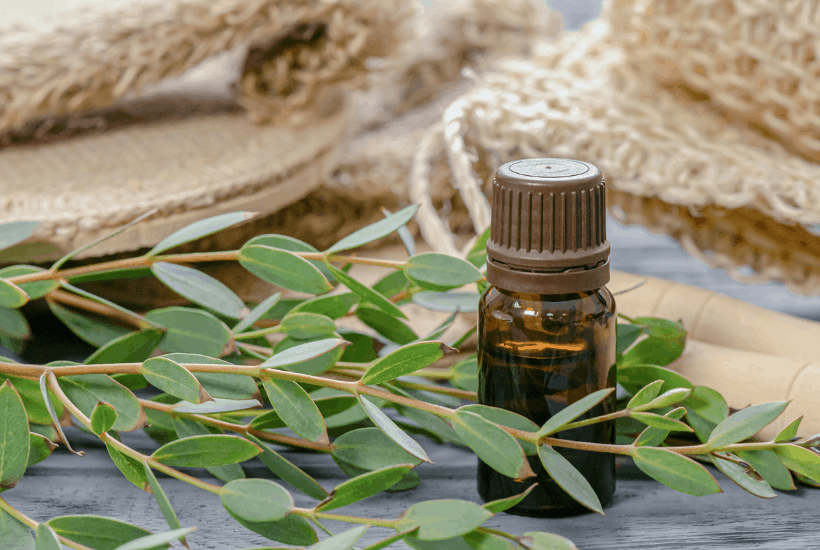
Tea tree oil, derived from the melaleuca tree, is one of the most well-known antiseptics in alternative medicine. It aids in the treatment of both bacteria and inflammation, which can lead to acne breakouts.
Peppermint
You may be familiar with the use of peppermint tea for headaches, but peppermint oil also has skin-soothing effects. The natural menthol in it gives a soothing effect on the skin. It works to relieve hot rashes as well.
Wintergreen
Wintergreen, like peppermint, has anti-inflammatory effects. It resembles wintergreen in that it contains methyl salicylate, which has anti-inflammatory properties. It may be used to treat painful skin rashes as a soothing agent.
Eucalyptus
Eucalyptus oil is highly beneficial for those with headaches. It may also help relieve itchy, painful skin rashes that are dry and scaly.
Patchouli
Patchouli oil is known to help with pain and inflammation. These qualities are especially beneficial for treating eczema rashes.
How to use essential oils for skin care
There are various ways to use essential oils to deal with skin care and skin issues. By knowing what the problem is, you can find the best solution.
Shrink Your Pores
If you have large pores or clogged pores, you’ll want to do something to shrink them and avoid clogging them. You can deal with both problems with tea tree oil. After diluting you’ll want to massage it into your face for about five minutes. Rinse well and pat dry.
Tighten Your Skin
You have many choices of oils to try for tightening your skin. Everyone gets loose skin; it’s just a normal part of aging. But you can slow it down with frankincense and/or lavender essential oil.
Slow Down Aging
You can also help slow aging and keep your skin healthy and brighter with the right essential oils. You might want to try something new you’ve never tried before like carrot seed oil, which is great for reversing skin damage caused by the sun.
Balance Oily Skin
If you have oily skin, you probably also have blemishes. First, understand that having oily skin is not really a bad thing. Your skin will age more slowly. The trick is to keep your pores clean. Try using tea tree oil, ylang ylang, and if you have sensitive skin, chamomile essential oil.

Soothe Dry Skin
Dry skin can be prone to being itchy and rashy. If you want to soothe dry skin, essential oils are the answer. Try blends with frankincense, sandalwood, sage, and rose in jojoba oil.
Make your own face wash with essential oils
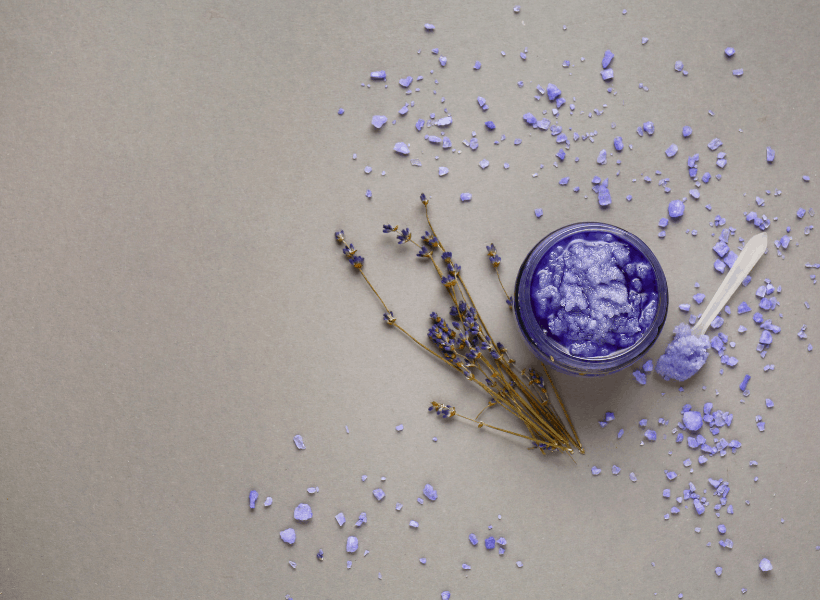
Check out how you can use a few ingredients and the best essential oils to make homemade face wash
Fight Acne
Anything that has a smell like mint, peppermint, eucalyptus, and so forth is going to be good for fighting acne, as are citrus oils.
Reduce Scarring
If your skin scars easily or has old scars from acne, you may want to try carrot seed oil, citrus oils, and add vitamin E oil to whatever you use.
Improve Eczema
If you have this condition, you know that it’s something you are always fighting, and you can’t always identify what happened to cause a flare. Depending on the cause of your problem, you may want to try tea tree, lavender, frankincense, and chamomile essential oils.
Using essential oils for the skin
When you start using essential oils for your skin care issues, start slow. Try working on one condition at a time until you get it straightened out. Then try to improve another issue. That way you will avoid additional problems by using too much essential oil directly on your skin, or not realizing which essential oil worked best for you.


